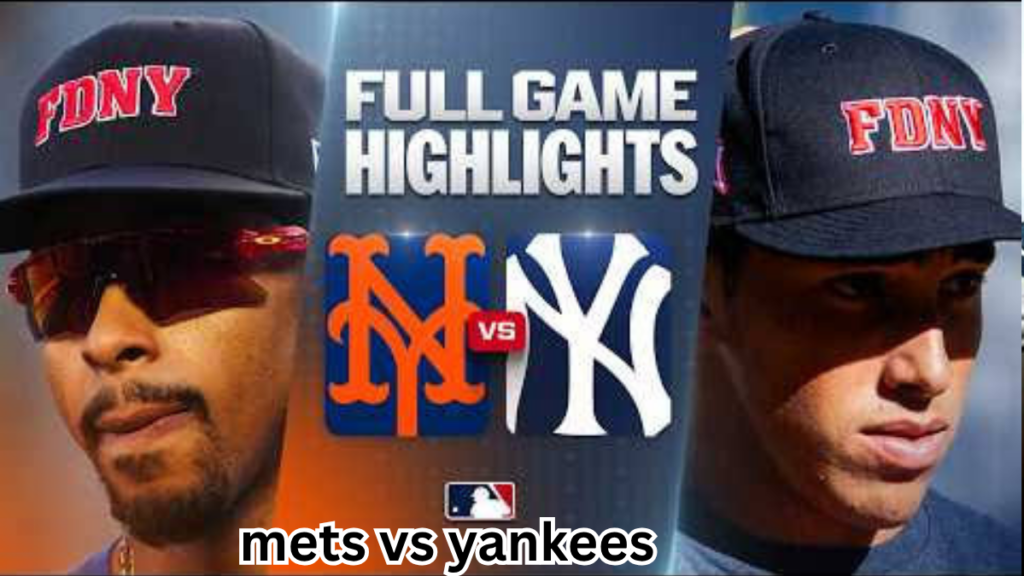
The mets vs yankees rivalry is one of the most fascinating matchups in Major League Baseball because it brings together two franchises that represent different histories, different fan cultures, different boroughs, and different ideas about what baseball in New York should look like. The Yankees carry a century-plus legacy of championships and iconic players, while the Mets have built their identity around resilience, personality, dramatic comebacks, and a loyal fan base that has always embraced the role of the city’s alternative baseball power.
The matchup has become especially compelling because the teams rarely meet with the same postseason stakes that defined their unforgettable 2000 World Series. Most Subway Series games are interleague contests played during the long regular season, but the atmosphere is rarely ordinary. The geographic proximity makes the rivalry feel personal, and the presence of stars on both sides ensures that even a midseason meeting can become a major New York sports event.
The 2026 season has added another layer to the story. The Mets and Yankees met for three games at Citi Field in May and are meeting again in the Bronx for another three-game set from September 11 through September 13. The May series belonged to the Mets, who won two of three games, while the Yankees opened the September series by defeating the Mets 6-4 on September 11.
The September series is also arriving at a meaningful point in the season. The Yankees entered the weekend in strong American League playoff position, while the Mets were attempting to make their final stretch of the season relevant and potentially disrupt the postseason plans of other National League contenders. That makes the current Subway Series about much more than bragging rights.
The Subway Series Means More Than a Regular Season Game
The term “Subway Series” has become part of New York’s sports vocabulary because it captures something that statistics cannot fully explain. The Mets and Yankees play in different leagues, but they share the same city, media market, transportation system, and baseball audience. A fan can take the subway from one ballpark to the other, making the physical distance between the franchises unusually small for professional sports rivals.
That closeness creates a unique emotional dynamic. A Yankees fan can have a Mets-supporting colleague, neighbor, relative, or friend, and vice versa. The rivalry can therefore exist in everyday conversations rather than only inside the stadium. A victory can become a Monday-morning office joke, a family debate, or a social-media celebration. Baseball’s long season gives those moments plenty of opportunities to accumulate.
The modern Subway Series began as a regular-season rivalry in 1997, after interleague play was introduced. The first regular-season meeting took place at the old Yankee Stadium on June 16, 1997, and Dave Mlicki delivered a memorable performance by shutting out the Yankees 6-0.
That first game immediately established the emotional potential of the matchup. The Mets were not simply another National League opponent crossing town. They were a fellow New York team, and thousands of fans arrived with strong opinions about which club represented the city more authentically.
The 2026 Subway Series Schedule
The 2026 schedule gives New York baseball fans six regular-season meetings between the Mets and Yankees. The first three were played at Citi Field from May 15 through May 17, while the second three-game series is being played at Yankee Stadium from September 11 through September 13. The Mets’ official schedule announcement confirmed both series before the season began.
The May series demonstrated exactly why the rivalry remains so entertaining. The Yankees won the opener 5-2, with Cody Bellinger and Jazz Chisholm Jr. providing key offensive production and Cam Schlittler delivering an impressive start. Juan Soto homered for the Mets, but New York’s American League club controlled most of the game.
The Mets answered in the second game, winning 6-3 behind strong offensive contributions and a dramatic change in momentum. They then completed the comeback by winning the series finale 7-6 in 10 innings. The Mets erased a four-run deficit late, with Tyrone Taylor hitting a game-tying three-run homer in the ninth before Carson Benge produced the walk-off fielder’s choice in the 10th inning.
The September series began in the Bronx on September 11. The Yankees won the opener 6-4, powered by home runs from Cody Bellinger and Ben Rice and a strong start from Carlos Rodón. Rodón worked 6⅓ innings, allowing one earned run while striking out eight, and David Bednar recorded the save.
| Series | Location | Result or Status |
|---|---|---|
| May 15, 2026 | Citi Field | Yankees 5, Mets 2 |
| May 16, 2026 | Citi Field | Mets 6, Yankees 3 |
| May 17, 2026 | Citi Field | Mets 7, Yankees 6, 10 innings |
| September 11, 2026 | Yankee Stadium | Yankees 6, Mets 4 |
| September 12, 2026 | Yankee Stadium | Scheduled |
| September 13, 2026 | Yankee Stadium | Scheduled |
The remaining September games therefore carry plenty of intrigue. The Yankees entered the weekend with a stronger overall record and postseason position, while the Mets were looking to make their final weeks meaningful. With the teams playing three games in the Bronx, the series also gives Yankees fans an opportunity to respond to the Mets’ successful May visit to Queens.
Why the 2026 Standings Add Extra Drama
The Yankees entered September 2026 as one of the stronger teams in the American League. After the September 11 victory over the Mets, New York’s American League club improved to 84-62, according to the current standings context, keeping the Yankees firmly in the AL playoff race and within striking distance of the top of the American League East.
The Yankees’ statistical profile also explains why their record has remained strong. Before the September series began, they had scored 657 runs and allowed 533, producing a +124 run differential. Their ability to prevent runs while continuing to generate offense has been one of the most important differences between the Yankees and several teams fighting for the same postseason positions.
The Mets entered the September weekend in a very different position. After losing the series opener, they stood at 68-79, leaving them well outside the immediate playoff picture. Yet their recent form before the Subway Series had shown some life, with a 7-3 record over their previous 10 games entering the September set.
That contrast makes the series particularly interesting. For the Yankees, each win can matter in the American League playoff race. For the Mets, beating the Yankees can provide a meaningful late-season statement and potentially influence the broader postseason picture by taking games away from a contender.
The May Series Showed the Mets Can Win Close Games
The May finale may ultimately be remembered as one of the most entertaining meetings of the 2026 season. The Mets trailed 6-3 entering the bottom of the ninth, and the Yankees appeared to be on course for a series victory. Instead, Tyrone Taylor launched a three-run homer to tie the game, sending Citi Field into chaos.
The comeback was statistically significant as well as emotionally dramatic. MLB noted that the Mets’ three-run ninth-inning rally was their largest ninth-inning comeback in Subway Series history. The Mets had also entered the ninth with an enormous historical disadvantage: they had lost 91 consecutive games when trailing after eight innings before that victory.
The game then moved into the 10th inning, where neither club scored in the top half. In the bottom half, Carson Benge’s fielder’s choice brought home the winning run. Devin Williams earned the victory after pitching a scoreless 10th, while Tim Hill was charged with the loss.
That game captures the character of the rivalry better than a routine blowout would. The Mets did not dominate from the first pitch. They fell behind, appeared to be running out of opportunities, and then turned the game around with one dramatic swing followed by a walk-off finish.
The Yankees’ September Response
The Yankees’ 6-4 victory on September 11 provided a very different kind of Subway Series performance. Rather than relying on a ninth-inning miracle, the Yankees established control early and kept enough distance from the Mets to protect the lead.
Spencer Jones opened the scoring with an RBI single, but the Mets quickly tied the game through a Christopher Morel RBI groundout. The Yankees then created separation in the bottom of the second, when Cody Bellinger delivered a three-run home run. Ben Rice added a solo homer in the fifth, and the Yankees eventually reached six runs.
Rodón was central to the victory. His 6⅓ innings and eight strikeouts limited the Mets’ opportunities and allowed the Yankees’ offense to build a lead without constantly needing to play from behind. His outing also illustrated the importance of starting pitching in a rivalry series where offensive talent can otherwise dominate the conversation.
The Mets did make the game interesting. A.J. Ewing drove in a run in the seventh and later hit a solo home run in the ninth, while the Mets also received an RBI single from Ewing earlier in the late innings. But the Yankees had enough pitching and defense to close out the game.
Aaron Judge Remains a Central Figure
Any discussion of Yankees baseball naturally involves Aaron Judge, and the Subway Series is no exception. Judge’s combination of size, power, patience, and defensive ability makes him one of the most recognizable players in baseball, and his presence adds another superstar dimension to the rivalry.
Judge’s importance extends beyond home runs. Opposing pitchers have to consider his ability to change a game with one swing, but they also have to avoid giving him comfortable pitches while managing the hitters around him. That can change the entire shape of an inning.
The 2026 season has again demonstrated how dangerous Judge can be in high-leverage situations. Earlier in the year, Yankees media materials highlighted his exceptional production with runners in scoring position and his high on-base percentage, reinforcing the idea that his value cannot be measured by home-run totals alone.
The Mets’ pitching staff therefore has to approach Judge with discipline. The objective is not simply to challenge him aggressively on every pitch. It is to avoid unnecessary mistakes while limiting the opportunities for him to turn a routine at-bat into a multi-run inning.
Cody Bellinger Has Become an Important Yankees Weapon
Cody Bellinger has also played a major role in the current Yankees lineup. His September 11 performance illustrated why he remains such a dangerous middle-of-the-order presence, as his three-run homer gave New York an early cushion in the opening game of the Bronx series.
Bellinger’s value comes from more than his power. He can contribute defensively, use his athleticism on the bases, and produce in different lineup positions. For the Yankees, having multiple hitters capable of changing a game means opponents cannot build their entire strategy around one superstar.
His connection to New York also carries a personal angle. Bellinger’s father, Clay, was a Yankees player in 2001, and the younger Bellinger has now created his own place in the franchise’s story. MLB highlighted that family connection while covering his September 11 performance on the 25th anniversary of September 11.
That combination of family history, current production, and a major Subway Series moment made Bellinger’s performance particularly memorable. His home run was not simply another three-run shot; it arrived in one of the most emotionally significant baseball environments imaginable.
Ben Rice Gives the Yankees Another Power Threat
Ben Rice has emerged as another important part of the Yankees’ offensive equation. His 37th home run of the season came during the September 11 victory, giving New York a five-run cushion and demonstrating how much power exists throughout the lineup.
For a team built around power, depth matters. A lineup is more dangerous when pitchers cannot simply work around the top of the order. Rice’s ability to produce home runs means opposing clubs have to manage the middle and lower portions of the Yankees lineup carefully.
The May series offered an earlier example of Rice’s influence. He homered in the opening game of that series, contributing to the Yankees’ 5-2 victory at Citi Field. His ability to provide extra-base power helped the Yankees take advantage of mistakes and build a lead.
Rice’s development also matters for the Yankees’ long-term roster construction. A productive young player can provide lineup flexibility while allowing the organization to maintain an offensive identity built around power, patience, and extra-base hits.
Juan Soto Adds an Unusual Layer to the Rivalry
Juan Soto makes the modern Subway Series particularly interesting because he has worn both uniforms. His move to the Mets gave the rivalry an immediate storyline that did not exist in previous eras.
Soto’s offensive ability has always made him one of the most difficult hitters in baseball to neutralize. His combination of plate discipline, power, strike-zone awareness, and ability to punish mistakes gives him the type of offensive profile that can reshape a lineup.
During the May 15 game, Soto homered against the Yankees, providing the Mets with one of their most memorable moments even though New York’s American League team won 5-2. MLB noted that the homer was Soto’s 250th career home run and placed him among an exclusive group of players with at least 250 homers and 95 stolen bases before turning 28.
That makes every Soto at-bat against the Yankees more compelling. His history with the franchise means Mets fans understand exactly what he can do, while Yankees fans know firsthand how difficult it is to pitch to him. The emotional element adds another layer to an already intense matchup.
Francisco Lindor Represents the Mets’ Identity
Francisco Lindor remains one of the most recognizable faces of the Mets organization and one of the players most closely associated with the club’s modern identity. His defensive ability at shortstop, switch-hitting skills, leadership, and experience make him an important figure in both the clubhouse and lineup.
Lindor’s presence matters particularly in a rivalry because he can influence the game in multiple ways. A great defensive play can prevent a run just as effectively as a home run can create one. A well-timed extra-base hit can shift momentum, while his ability to hit from either side of the plate gives managers fewer easy matchup opportunities.
The September 11 game provided another example of the defensive side of the rivalry. MLB’s game coverage highlighted a Brent Headrick reaction grab on a ball hit by Lindor, illustrating how quickly a routine-looking defensive opportunity can become a highlight in a high-profile matchup.
Lindor’s role also reflects the broader philosophy of the Mets. The team has invested heavily in star-level talent, but its ability to compete depends on whether those players can combine individual production with consistent defense, pitching, and situational execution.
The Importance of Starting Pitching
Starting pitching often determines whether a Subway Series game becomes a slugfest or a tightly controlled tactical contest. Because both teams have dangerous hitters, the quality of the starting pitcher can dramatically influence how much freedom each offense has.
Carlos Rodón’s September 11 performance demonstrated that principle. By working deep into the game and striking out eight, he gave the Yankees the ability to manage their bullpen rather than immediately exposing their relievers to a high-pressure, high-volume workload.
For the Mets, the opening game featured rookie Nolan McLean, who entered the contest with a strong season and ultimately took the loss after allowing five earned runs in five innings. His performance included five strikeouts, but the Yankees were able to capitalize on several opportunities and produce enough offense to win.
Pitching matchups become especially important when the teams meet in a short series. A single dominant start can change the entire direction of the weekend. A bullpen-heavy game can have consequences for the following afternoon, while an early pitching exit can force a manager to make decisions that affect subsequent games.
Bullpens Can Decide the Subway Series
The modern game has increased the importance of relief pitching, and the Mets-Yankees rivalry is no exception. A starter may control the first six innings, but the final three can completely rewrite the story.
The September 11 game featured David Bednar closing for the Yankees. He entered with a lead and recorded the save despite allowing a late Mets run. His ability to finish the game prevented the Yankees from repeating the kind of late collapse that had defined their May 17 loss.
The May series showed the opposite scenario. The Yankees held a 6-3 advantage entering the bottom of the ninth on May 17, but their bullpen could not protect the lead. Taylor’s three-run homer tied the game, and the Mets eventually won in extra innings.
That contrast shows why bullpen management matters so much in a rivalry series. A team can play excellent baseball for eight innings and still lose because of one mistake in the ninth. The pressure is amplified when every pitch is magnified by the audience and the history surrounding the matchup.
Citi Field and Yankee Stadium Create Different Environments
Ballpark context is another important part of the rivalry. Citi Field in Queens and Yankee Stadium in the Bronx have different dimensions, sightlines, traditions, and atmospheres, and each gives its home team a distinctive setting.
Citi Field has developed its own identity since opening in 2009. Its spacious outfield areas, modern design, and Queens location give Mets games a different visual and cultural feel from games in the Bronx. The stadium also hosted the dramatic May comeback, making that series especially memorable for the home crowd.
Yankee Stadium carries a much older emotional legacy, even though the current building opened in 2009. The Yankees’ history surrounds every game through retired numbers, Monument Park, championship references, and the constant presence of generations of baseball memories.
The September 11 matchup was particularly significant because it took place on the 25th anniversary of the September 11 attacks. MLB and the Mets participated in league-wide tributes and service activities that day, while the Yankees and Mets met in the Bronx that evening.
That setting added emotional weight to an already important baseball weekend. Sports in New York have long carried a special relationship with the city’s history, and the Subway Series is naturally positioned within that broader cultural landscape.
The 2000 World Series Changed the Rivalry Forever
Before 2000, the Mets and Yankees had already developed a strong regular-season rivalry, but the World Series transformed the relationship. It was the first postseason meeting between the two New York teams and the first New York-versus-New York World Series since the Yankees and Brooklyn Dodgers met in 1956.
The Yankees entered the 2000 World Series as defending champions and a franchise accustomed to October success. The Mets, meanwhile, had battled through the National League postseason and earned their place in the Fall Classic. The idea of two New York teams competing for the championship created enormous pressure.
Game 1 immediately delivered. The Yankees and Mets were tied late before Jose Vizcaino’s 12th-inning walk-off single gave the Yankees a 4-3 victory. MLB describes the game as one of the greatest World Series openers, and its drama established the tone for the rest of the series.
The Yankees ultimately won the World Series in five games, capturing their third consecutive championship. Every game was decided by two runs or fewer, making the final result much closer than the 4-1 series score might suggest.
The 2000 Series Had No Shortage of Drama
Game 2 produced one of the most controversial moments in the history of the rivalry. Roger Clemens dominated for eight scoreless innings, but the game also featured a benches-clearing incident involving Mike Piazza after a broken-bat ball came back toward the pitcher. The moment added another layer of tension to an already intense World Series.
The Mets finally won Game 3 at Shea Stadium, ending the Yankees’ 14-game World Series winning streak. That victory temporarily shifted the momentum and gave Mets fans hope that the series could become a genuine championship battle rather than another Yankees celebration.
The Yankees answered in Game 4 when Derek Jeter hit a home run on the first pitch of the night. That was exactly the type of moment that defined the Yankees’ dynasty: a superstar delivering immediately when the pressure was at its highest.
Game 5 ultimately ended the series. The Yankees won again, securing the championship and leaving the Mets with one World Series victory in the matchup. The result became part of the Yankees’ dynasty narrative and one of the defining postseason chapters in Mets history.
Why the Rivalry Is Different From Other MLB Matchups
Many MLB rivalries are built on geographic proximity, divisional competition, or decades of postseason meetings. The Subway Series combines some of those characteristics but operates differently because the Mets and Yankees are in separate leagues.
They do not play each other every week, and they are not fighting for the same division title. That scarcity can actually make the meetings more significant. When the schedule brings them together, the games become events rather than routine divisional contests.
The lack of constant competition also allows the rivalry to retain a certain freshness. A Yankees fan may not see the Mets for months, but when the teams arrive at the same stadium, the accumulated stories immediately return. Players who have switched teams become storylines, and past games become part of the broadcast narrative.
The rivalry also has a cultural component that is difficult to replicate. New York has multiple sports teams, but baseball’s history in the city is unusually deep. The Yankees’ dynasty years, the Mets’ championships, the Brooklyn Dodgers’ legacy, and generations of neighborhood baseball traditions all contribute to the intensity.
Star Power Drives the Modern Matchup
The current version of the rivalry features enough recognizable players to make individual matchups compelling. Judge, Bellinger, Rice, and other Yankees hitters bring power and athleticism, while Soto and Lindor give the Mets their own group of high-profile offensive threats.
Star power changes the way fans experience a series. A regular-season game can suddenly become must-watch television because one superstar is facing another. Every at-bat carries the possibility of a highlight that will dominate New York sports coverage for the following day.
It also changes defensive strategy. Teams cannot treat every hitter equally because some players can produce disproportionate damage. A manager might intentionally avoid a difficult matchup, deploy a particular reliever, or shift defensive positioning based on one batter.
That tactical layer is part of what makes baseball different from many other sports. The rivalry unfolds one pitch at a time, allowing individual decisions to accumulate until the game turns on one swing, one defensive play, or one pitching change.
The Role of Young Players
Although established stars often dominate the headlines, young players can become unexpected protagonists in a Subway Series. The rivalry’s history contains many examples of emerging players using these games to introduce themselves to a wider audience.
The 2026 season has already provided several examples. Rookie Nolan McLean started for the Mets in the September 11 game, while Spencer Jones has been part of the Yankees’ evolving young core. A.J. Ewing also provided late offensive production for the Mets in the opening game of the September series.
Young players face an unusual challenge in these games because the atmosphere can be considerably more intense than an ordinary regular-season contest. A mistake that might be forgotten in a game against another opponent can become a highlight or headline when it happens in the Subway Series.
At the same time, success can accelerate a player’s reputation. A clutch hit, dominant pitching performance, or spectacular defensive play against the other New York club can become part of that player’s identity for years.
How the Rivalry Influences New York Sports Culture
The Mets-Yankees rivalry exists within a city that has always supported strong sports identities. New Yorkers tend to develop deep loyalties, and baseball gives those loyalties an unusually long season in which to develop.
Yankees fans often point to the franchise’s historic championship record, iconic players, and global profile. Mets fans emphasize their own championships, distinctive culture, and willingness to embrace a different identity. Neither perspective is likely to disappear, which is part of the fun.
The rivalry also creates a unique media environment. New York sports coverage is famously intense, and a Subway Series gives television, radio, newspapers, websites, podcasts, and social platforms an endless supply of material.
A single pitch can generate hours of discussion. A controversial call can become the central topic of the next day’s sports pages. A dramatic home run can be replayed repeatedly. The combination of baseball’s slow buildup and New York’s media intensity makes these games especially fertile ground for conversation.
The Importance of Interleague Baseball
The rivalry would not exist in its modern form without interleague play. Before the 1997 season, National League and American League teams generally did not face each other during the regular season. That separation meant the Mets and Yankees could share a city without playing meaningful regular-season games against one another.
Interleague play changed that structure. Suddenly, geographic rivalries could become annual events, and the Mets and Yankees became one of the most prominent examples.
The first meeting in 1997 proved that fans would embrace the concept. MLB’s account of the inaugural regular-season game notes that 56,188 fans packed the old Yankee Stadium, with many staying until the end of Mlicki’s 6-0 Mets shutout.
That attendance and atmosphere established the commercial and cultural value of the matchup. The rivalry was not simply an experiment in scheduling. It was a major event that fans immediately treated differently from ordinary interleague games.
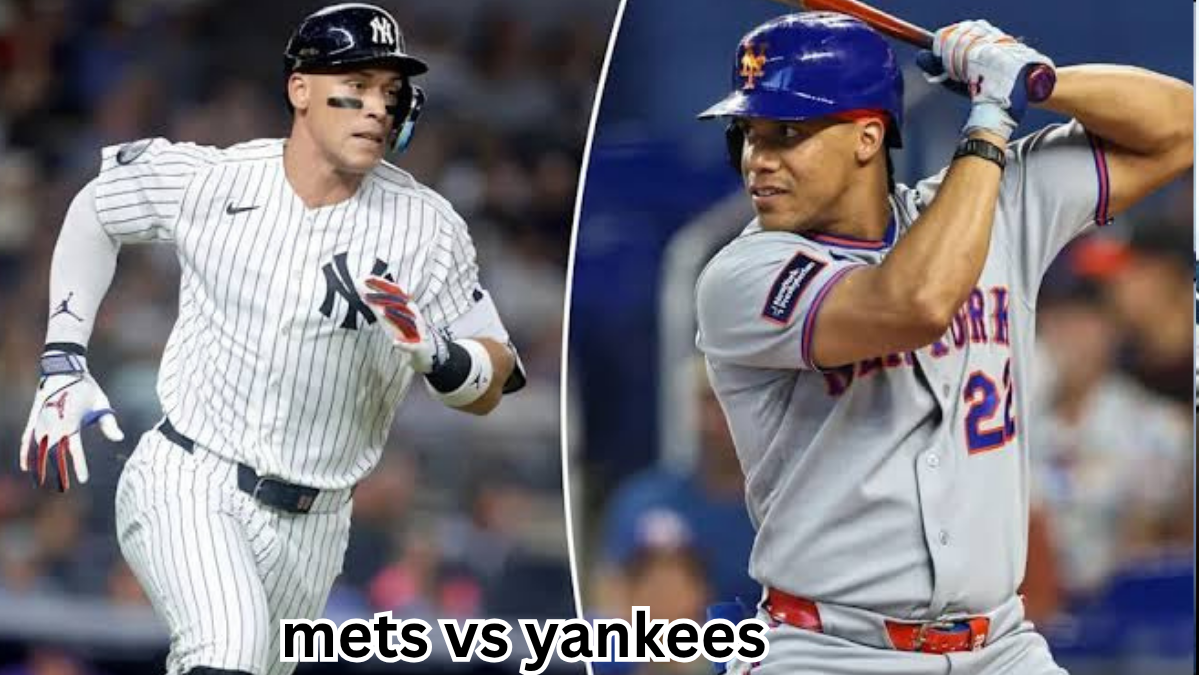
The Business Side of the Subway Series
The financial importance of the rivalry is also substantial. Mets and Yankees games attract large television audiences, significant ticket demand, merchandise sales, hospitality interest, and intense media coverage.
The economic impact extends beyond the teams themselves. Restaurants, bars, transportation services, hotels, sports merchandise retailers, and local businesses can benefit from major baseball weekends. A three-game Subway Series can turn an ordinary summer or September weekend into a major commercial event.
Ticket demand also reflects the rivalry’s popularity. Even when one team is struggling, fans can remain interested because the opponent itself creates a compelling reason to attend. That is unusual in baseball, where individual regular-season games can otherwise struggle to attract national attention.
The business value also helps explain why the teams continue to receive prominent scheduling. MLB understands that New York’s two baseball clubs can generate attention even when their competitive circumstances are different.
The Importance of Late-Season Rivalry Games
September baseball has its own character because the standings become more meaningful with every passing day. For teams competing for playoff positions, a loss in September can carry more weight than the same loss in April.
The Yankees entered the September series with postseason ambitions firmly intact. Their record and run differential showed that they had positioned themselves well, while the Mets were much further back in the National League race.
That imbalance can actually make the rivalry more unpredictable. The team with less to lose can play aggressively, while the contender may feel greater pressure to avoid mistakes. The psychological dynamic can shift from one game to another.
For the Mets, a successful September Subway Series could also provide momentum for the final portion of the schedule. Even if a postseason berth is out of reach, beating the Yankees can influence how the team evaluates its young players and future roster construction.
What Makes a Subway Series Victory Memorable
A Subway Series win is remembered differently depending on how it happens. A dominant pitching performance can become a classic. A walk-off home run can become part of franchise folklore. A comeback can define an entire series.
The May 17, 2026 Mets victory already fits that category. The team trailed 6-3 entering the ninth and then produced a three-run homer, followed by a walk-off play in the 10th. MLB described it as the Mets’ largest ninth-inning comeback in Subway Series history.
The Yankees’ September 11 victory offered a different type of memorable performance. Bellinger’s three-run homer and Rice’s solo shot provided the power, while Rodón supplied the pitching foundation. It was a controlled win rather than a dramatic escape.
That variety is part of the rivalry’s appeal. There is no single formula for a memorable game. The next classic could be a pitcher’s duel, a slugfest, an extra-inning thriller, or a defensive masterpiece.
How Managers Approach the Rivalry
Managers have to balance the emotional significance of the series with the practical demands of a 162-game season. Aaron Boone and Carlos Mendoza cannot allow the rivalry to override the larger objectives of managing pitching workloads, protecting players, and preparing for the next series.
At the same time, managers understand that these games matter to their fan bases. Lineup decisions, bullpen usage, defensive substitutions, and pinch-hitting choices can all receive greater scrutiny when the opponent is the other New York club.
The May 17 comeback illustrated how quickly managerial decisions can become part of the story. The Yankees’ inability to close the game and the Mets’ willingness to keep attacking in the ninth created an environment in which one sequence changed everything.
The September opener showed a more conventional managerial approach. Rodón was allowed to work deep into the game, the Yankees built a lead, and Bednar was used to close. The structure was straightforward, but effective execution prevented the Mets from creating another late comeback.
The Defensive Battle Is Often Overlooked
Offensive stars naturally attract attention, but defense can decide a Subway Series game just as quickly. The 2026 meetings have already included several notable defensive plays.
Cody Bellinger’s leaping grab was highlighted during the May 15 game, while Ryan McMahon made a strong defensive play later in that contest. The September 11 game also featured George Lombard Jr.’s diving play and Carson Benge’s accurate throw.
These plays matter because defensive mistakes can be especially damaging against a lineup filled with power hitters. A missed ground ball can extend an inning, turn an ordinary fly ball into a scoring opportunity, or force a pitcher to face the heart of the order with runners on base.
The rivalry therefore rewards complete baseball. Hitting can win headlines, but pitching, baserunning, positioning, communication, and defense frequently determine which team actually leaves the stadium with the victory.
The Mets’ Path to Making the Series Competitive
For the Mets, competing effectively in the Bronx requires a combination of pitching discipline and offensive pressure. The Yankees’ lineup has enough power to punish mistakes, so Mets pitchers need to minimize free passes and avoid predictable situations.
Offensively, the Mets need to make Yankees pitchers work. Long at-bats, productive outs, baserunning pressure, and timely hitting can prevent New York’s American League club from settling into comfortable innings.
The May series provides evidence that the Mets can overcome deficits against the Yankees. Their 7-6 comeback was not built on overwhelming dominance from the first inning. It was built through persistence, late execution, and the willingness to keep competing after the game appeared to be slipping away.
That mentality can matter in September. The Mets may not control their postseason destiny, but they can still influence individual games. In a rivalry this intense, even a team outside the playoff race can create problems for a contender.
The Yankees’ Path to Controlling the Series
The Yankees have a more straightforward objective: use their superior overall position to maximize the value of the weekend. Winning the first game gave them an immediate advantage and allowed them to respond after losing two of three in May.
Starting pitching will remain critical. If the Yankees can get length from their starters, they can preserve their bullpen and maximize the value of their powerful lineup. If games become chaotic early, the bullpen could be tested repeatedly over the three-game set.
Offensively, the Yankees need to continue creating damage without relying exclusively on Judge. Bellinger and Rice demonstrated on September 11 that the lineup has multiple sources of power, while players such as Spencer Jones and Anthony Volpe can add another dimension through athleticism and baserunning.
The ideal Yankees formula is therefore balanced: quality starting pitching, multiple offensive contributors, reliable defense, and a bullpen capable of protecting leads. The opening game demonstrated how effective that formula can be.
Why the Rivalry Will Continue to Matter
The mets vs yankees rivalry is unlikely to lose its relevance because its foundation extends beyond standings. The teams represent different parts of New York, different histories, and different fan cultures, while sharing the same baseball market.
Even when one club is rebuilding or struggling, the games remain meaningful because of the opponent. That is one of the clearest signs of a genuine rivalry. Fans do not need both teams to be championship contenders for the matchup to matter.
The history also keeps influencing the present. The 2000 World Series remains part of every major Subway Series conversation, while dramatic regular-season moments such as the 1997 Mlicki shutout and the 2026 May comeback continue to expand the rivalry’s collection of memorable games.
Every new series adds another chapter. Some chapters are dominated by stars, others by unexpected players, and others by one pitch that changes everything. That unpredictability ensures the rivalry can remain compelling for another generation.
The Future of Baseball in New York
The future of the rivalry will depend partly on how the two organizations develop their rosters. The Yankees will continue attempting to surround their established stars with enough pitching and young talent to compete for championships, while the Mets will continue shaping a roster capable of challenging the National League’s strongest teams.
Young players are especially important to that future. The arrival of emerging contributors can shift the balance of power quickly in baseball, where player development and pitching depth can transform a club within a few seasons.
The Mets and Yankees also have enormous financial and organizational resources. That does not guarantee championships, but it gives both franchises the ability to remain aggressive when opportunities arise.
For fans, that means the rivalry should continue producing new storylines. Today’s stars will eventually be replaced by tomorrow’s, but the underlying New York dynamic will remain.
The Emotional Side of Baseball’s Biggest New York Rivalry
Baseball is uniquely suited to rivalries because of its rhythm. A game provides hundreds of individual moments, and each one can become part of a larger story. The slow buildup between pitches allows fans to absorb tension in a way that few other sports can replicate.
That is particularly true when the teams represent the same city. The rivalry does not simply divide a stadium. It divides conversations, neighborhoods, families, friendships, and generations of baseball fans.
The Yankees have the advantage of an enormous historical legacy, but the Mets have always possessed a powerful identity of their own. Their fans have celebrated championships, survived difficult seasons, and embraced the club’s ability to create improbable moments.
That combination makes the Subway Series much more than a battle between two baseball teams. It is an ongoing argument about New York baseball itself, played out on a diamond every time the clubs meet.
The Current Series and What Comes Next
The mets vs yankees series of September 2026 began with a Yankees victory, but the weekend remains unresolved. New York’s American League club took the opener 6-4, with Rodón delivering a strong start and Bellinger and Rice supplying home runs.
The Mets now have two remaining opportunities in the Bronx to respond. Their May series victory demonstrated that they can overcome the Yankees, while the September opener demonstrated how difficult it can be to contain New York’s power when the Yankees’ starting pitching is working effectively.
The second game is scheduled for September 12, followed by the series finale on September 13. The Mets’ official schedule places both remaining games in the Bronx, completing the six-game regular-season series between the clubs.
Whatever happens next, the 2026 meetings have already added several memorable moments to the rivalry. The Mets’ May comeback, the Yankees’ September response, Soto’s presence in a Mets uniform, Bellinger’s family connection to the Yankees, and the emotional setting of the September 11 game have all contributed to another distinctive Subway Series chapter.
Conclusion
The mets vs yankees rivalry remains one of baseball’s most recognizable and emotionally charged matchups because it combines history, geography, star power, fan identity, and the unpredictable nature of the sport. The Yankees bring an unmatched championship tradition, while the Mets bring a different kind of New York baseball identity built around resilience, personality, and unforgettable moments.
The 2026 season has already shown both sides of that contrast. The Yankees won the May opener, but the Mets responded by taking the next two games, including a remarkable 7-6 extra-inning comeback on May 17. The Mets erased a three-run deficit in the ninth before winning on Benge’s walk-off play.
The September series began with another Yankees victory, this time a 6-4 result at Yankee Stadium. Bellinger’s three-run homer, Rice’s solo shot, and Rodón’s strong start provided the foundation for the win. The Mets showed late fight, but the Yankees held on to take the opening game.
The larger story, however, goes beyond the 2026 standings. From the first regular-season meeting in 1997 to the historic 2000 World Series and the dramatic games that followed, the Subway Series has developed a history that belongs uniquely to New York.
The rivalry works because neither team needs to be exactly like the other. The Yankees can embrace their enormous historical legacy, while the Mets can proudly maintain their own culture and traditions. Every meeting allows those identities to collide again.
That is why the Subway Series continues to matter. The standings will change, stars will retire, young players will become established names, and future rosters will look completely different. But when the Mets and Yankees share a field, New York baseball becomes a little louder, a little more personal, and considerably more interesting.
Frequently Asked Questions
What does mets vs yankees mean?
The phrase refers to games between the New York Mets of the National League and the New York Yankees of the American League. Because both clubs are based in New York City, their meetings are commonly called the Subway Series. The rivalry began its modern regular-season form in 1997 when interleague play was introduced, and the two teams have since developed one of Major League Baseball’s most recognizable cross-league rivalries.
When did the Mets and Yankees first play each other?
The first regular-season meeting between the two franchises took place on June 16, 1997, at the old Yankee Stadium. Mets pitcher Dave Mlicki produced one of the most memorable possible introductions to the rivalry by shutting out the Yankees 6-0. The game attracted 56,188 fans and immediately demonstrated the enormous interest that a matchup between New York’s two MLB teams could generate.
Who won the 2000 Subway Series?
The Yankees won the 2000 World Series against the Mets four games to one. It was the first World Series between New York teams since 1956 and the first postseason meeting between the Mets and Yankees. Despite the Yankees’ 4-1 series victory, every game was decided by two runs or fewer, making the championship series considerably more competitive than the final series score suggests.
Who won the 2026 May series between the Mets and Yankees?
The Mets won two of the three games in the May 2026 series at Citi Field. The Yankees won the opener 5-2, the Mets won the second game 6-3, and the Mets completed the series victory with a dramatic 7-6, 10-inning win on May 17. The finale featured a three-run ninth-inning homer by Tyrone Taylor and a walk-off fielder’s choice by Carson Benge.
What happened in the September 11, 2026 Subway Series game?
The Yankees defeated the Mets 6-4 at Yankee Stadium on September 11, 2026. Carlos Rodón pitched 6⅓ strong innings with eight strikeouts, while Cody Bellinger hit a three-run home run and Ben Rice added a solo homer. The Mets received late production from A.J. Ewing, who drove in a run in the seventh and hit a solo home run in the ninth, but the Yankees held on for the victory.
Where are the 2026 September games being played?
The September 2026 series is being played at Yankee Stadium in the Bronx. The three-game set began Friday, September 11, and continues Saturday, September 12, and Sunday, September 13. The Mets’ official 2026 schedule confirms that the September series is the second of the two scheduled three-game Subway Series sets for the season.
How many times do the Mets and Yankees play in 2026?
The teams are scheduled to play six regular-season games in 2026. The first three were played at Citi Field in May, while the final three are being played at Yankee Stadium in September. This six-game arrangement gives each team a three-game home series and creates two separate opportunities for fans in Queens and the Bronx to experience the rivalry.
Why is the rivalry called the Subway Series?
The nickname comes from New York City’s subway system, which connects the boroughs where the two teams play. Citi Field is in Queens and Yankee Stadium is in the Bronx, making it possible for fans to travel between the two ballparks using the city’s extensive public transportation network. The term also captures the distinctly New York character of the matchup and has become an established part of baseball language.
Which team has more championships, the Mets or Yankees?
The Yankees have won far more World Series championships than the Mets. The Yankees’ championship history is one of the most extensive in professional sports, while the Mets have won two World Series titles, in 1969 and 1986. The difference in championship history is one of the major contrasts between the franchises and contributes to the cultural identity of the rivalry.
Why was the 2000 World Series so important?
The 2000 World Series was historic because it brought two New York teams together for the championship for the first time since the Yankees and Brooklyn Dodgers met in 1956. It was also the first postseason meeting between the Mets and Yankees. The Yankees ultimately won in five games, but the series became one of the defining chapters in the history of New York baseball.
Which players are central to the current rivalry?
The current matchup features numerous high-profile players, including Aaron Judge, Cody Bellinger, Ben Rice, Francisco Lindor, and Juan Soto. Judge remains one of the Yankees’ biggest offensive threats, while Soto and Lindor are central figures for the Mets. The presence of players with significant individual accomplishments gives each series multiple compelling matchups beyond the basic team-versus-team storyline.
Why did Juan Soto joining the Mets matter so much?
Soto’s move to the Mets added an unusual personal dimension because he had previously played for the Yankees. He is an elite hitter with exceptional plate discipline and power, so moving between the two New York clubs naturally created additional attention. His May 15 home run against the Yankees provided an immediate example of how his presence could influence the rivalry.
What was the most dramatic Mets-Yankees game of 2026 so far?
The May 17 game at Citi Field is a strong candidate because the Mets overcame a 6-3 deficit entering the ninth inning. Tyrone Taylor hit a game-tying three-run homer, and Carson Benge produced the winning run in the 10th. MLB noted that the comeback was the Mets’ largest ninth-inning comeback in Subway Series history, making it an especially significant moment in the rivalry.
How important is starting pitching in the Subway Series?
Starting pitching is extremely important because both clubs possess dangerous offensive players capable of scoring quickly when pitchers lose command. A strong starter can prevent the opposing lineup from building early momentum and can also reduce pressure on the bullpen. Carlos Rodón’s September 11 performance illustrated that value, as he worked 6⅓ innings and struck out eight in the Yankees’ 6-4 victory.
Can the Mets still influence the Yankees’ season?
Yes. Even if the Mets are outside the immediate playoff picture, every game against the Yankees can affect the American League contender’s record. A win can also provide the Mets with valuable momentum and allow young players to gain experience in high-pressure situations. The nature of baseball means a team does not need to be leading its division to disrupt another club’s postseason plans.
Why do Subway Series games receive so much media attention?
The matchup combines two major New York franchises, a huge metropolitan fan base, historic championship narratives, recognizable players, and a rivalry that can be discussed from multiple perspectives. The games also create strong television and digital interest because fans who might not follow every regular-season contest are more likely to watch when the city’s two baseball teams meet.
What makes the Mets-Yankees rivalry different from a divisional rivalry?
The teams play in different leagues, so they do not compete directly for the same division title or National League and American League playoff positions. Their meetings are therefore less frequent than divisional games. That scarcity can make each matchup feel more like an event, while the shared New York market creates an intensity that is not dependent on constant competition.
Will the Mets and Yankees remain rivals in the future?
The rivalry is likely to remain important for as long as both franchises remain in New York. The teams have separate histories, enormous fan bases, major media profiles, and established traditions. Even when rosters and competitive circumstances change, the geographic and cultural connection ensures that games between the two clubs will continue to attract attention.
What makes the Subway Series special for New York fans?
The Subway Series gives New York fans a rare opportunity to see the city’s two MLB identities collide directly. It combines baseball history with local pride, family traditions, neighborhood loyalties, superstar players, and the possibility of unforgettable moments. Whether the game is a pitching duel or an extra-inning thriller, the setting makes it feel different from an ordinary regular-season matchup.