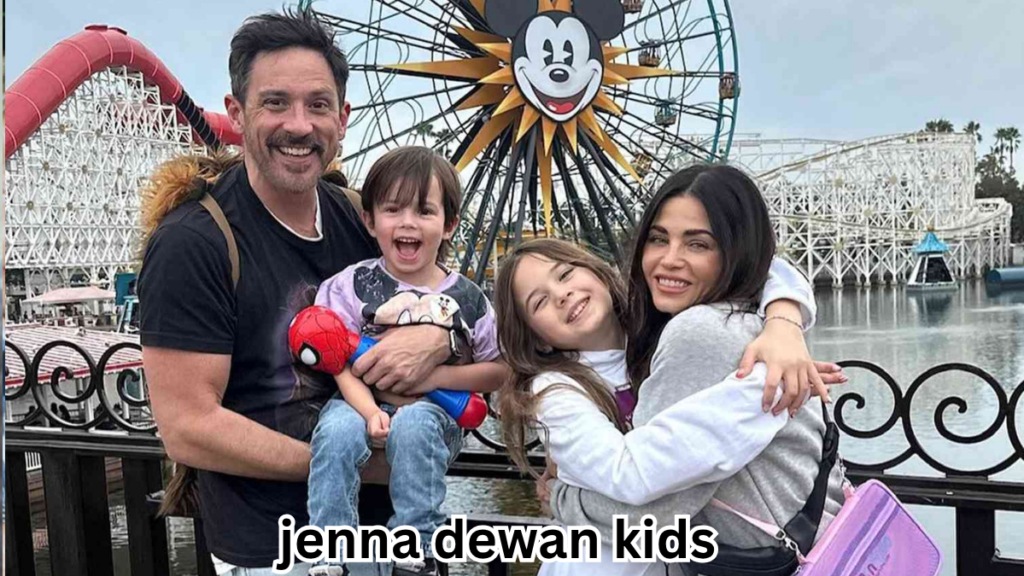
Jenna Dewan has built a career around movement, performance, television, film, and entertainment, but one of the most meaningful parts of her public life is her role as a mother. The actress and dancer is a parent to three children: daughter Everly, son Callum, and daughter Rhiannon. Her family story is especially interesting because it brings together children from two different relationships while emphasizing the importance of co-parenting, affection, and a strong sibling bond.
Interest in Jenna Dewan kids has grown alongside Dewan’s continuing visibility in Hollywood. She became widely known as a dancer and actress, particularly after appearing in Step Up, and later expanded her career through television roles, hosting opportunities, and other entertainment projects. At the same time, she has increasingly spoken about the realities of motherhood, including pregnancy, postpartum life, balancing work and family, and raising children at different stages of development.
Dewan’s oldest child, Everly, was born during her marriage to actor Channing Tatum in 2013. After Dewan and Tatum separated in 2018 and finalized their divorce in 2019, they continued navigating parenthood together. Dewan later became engaged to actor and singer Steve Kazee, with whom she welcomed son Callum in 2020 and daughter Rhiannon in 2024.
The result is a blended family with three siblings whose ages and personalities are naturally different. Everly is old enough to have developed her own interests and increasingly understands her mother’s career, while Callum is growing up in a household where music and dance are familiar parts of everyday life. Rhiannon, the youngest, represents a newer chapter of motherhood for Dewan and Kazee.
Although celebrities often receive intense attention for their family lives, much of what is publicly known about Dewan’s children comes from carefully chosen interviews, family announcements, and occasional social-media posts. That distinction matters. A thoughtful look at her family should focus on documented information rather than speculation about private matters.
This article examines the publicly documented story of Dewan’s children, her approach to parenting, the family’s blended structure, and the ways motherhood has influenced her personal and professional life.
Who Are Jenna Dewan’s Children?
The story of Jenna Dewan kids begins with three children who occupy different places in her life and family history. Her oldest is Everly Elizabeth Maiselle Tatum, born May 31, 2013. Everly is Dewan’s daughter with Channing Tatum, and she was the first child in Dewan’s family.
Dewan and Tatum met while working on Step Up, married in 2009, and welcomed Everly several years later. Because both parents are highly recognizable entertainment figures, Everly’s childhood has inevitably attracted public curiosity. Even so, Dewan and Tatum have generally presented parenthood as a shared responsibility rather than treating their daughter as an extension of their celebrity identities.
Dewan’s second child is Callum Michael Rebel Kazee, born March 6, 2020. Callum is her first child with Steve Kazee. His arrival marked an important new stage in Dewan’s life because it came after her separation and divorce from Tatum and during her relationship with Kazee.
The family grew again in June 2024 when Dewan and Kazee welcomed their daughter Rhiannon Lee Kathryn Kazee. Rhiannon was born June 14, 2024, making her the youngest of Dewan’s three children. Her arrival transformed a household already accustomed to parenting two children into a family of five.
This structure means that the three children share the same mother but have different fathers. Everly is the daughter of Dewan and Tatum, while Callum and Rhiannon are the children of Dewan and Kazee. That arrangement is sometimes described as a blended family, but the more important feature is the emphasis on sibling relationships and cooperative parenting.
Everly Dewan’s Place in the Family
Everly occupies a unique position within the family because she is both Dewan’s first child and the oldest sibling. Being the eldest often brings a different set of experiences, particularly when younger children arrive years later. Public comments from Dewan suggest that Everly has embraced her role as an older sister and has shown affection toward her younger siblings.
Everly was born into a family already connected to dance and entertainment. Her mother was an accomplished dancer before becoming an established actress, while her father became a major film star. Yet Dewan has not presented Everly simply as a “celebrity child.” Instead, public glimpses of her interests have shown a young person developing her own activities and personality.
By 2026, Everly had reached her early teenage years. Recent public comments from Dewan indicate that she has explored Irish step dancing, cheerleading, and other forms of movement. Dewan has also spoken positively about her daughter’s physical ability, particularly her strength, leaps, and kicks.
That is an interesting continuation of the family’s relationship with dance. Dewan became known professionally for her dancing, but Everly’s interests do not have to mirror her mother’s career. Irish dancing, school activities, cheerleading, and other forms of performance can all become personal outlets rather than simply inherited professions.
Everly has also developed an awareness of her mother’s work. Dewan has discussed how her daughter and her daughter’s friends encouraged her to attend Dancing with the Stars. That experience eventually became relevant when Dewan was invited to participate in the show’s 35th season.
The detail is revealing because it shows a reversal of roles. For years, Dewan was the established performer while her daughter watched from the sidelines. As Everly became older and developed her own interests, she was able to influence her mother’s career in a small but meaningful way.
Callum Kazee and His Early Years
Callum Michael Rebel Kazee was born on March 6, 2020, to Jenna Dewan and Steve Kazee. His birth came shortly before the world entered the extraordinary circumstances of the COVID-19 pandemic, giving his early childhood an unusual historical backdrop.
Dewan and Kazee had announced their engagement in February 2020, shortly before Callum’s birth. Their relationship had become public in 2018, and their family expanded rapidly during the following years.
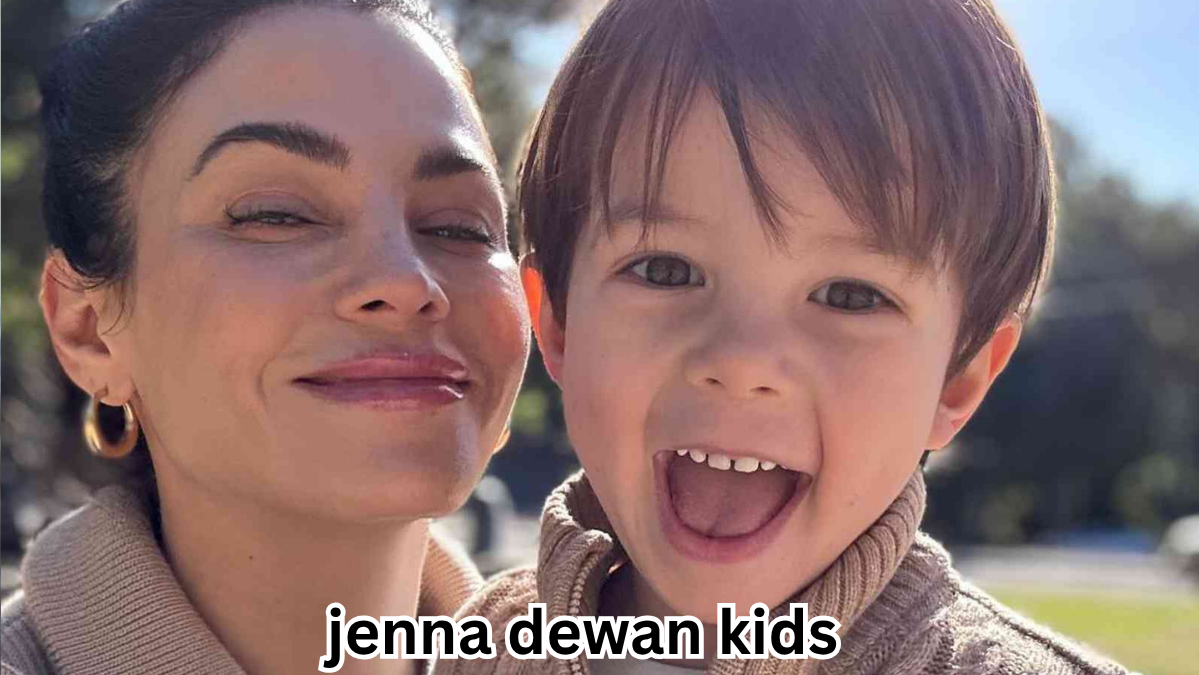
Publicly shared comments about Callum often emphasize his energy and cheerful personality. Dewan has described him affectionately in birthday tributes, including a 2026 message in which she called him her “ray of sunshine” and “pure joy embodied.” Such descriptions offer a limited but warm picture of how she experiences him within the family.
Callum has also shown an interest in movement. In 2026, Dewan explained that he had tried a hip-hop dance class. Her description was humorous rather than overly serious, suggesting that the family treats children’s activities as opportunities to explore rather than immediate career preparation.
That distinction is important when discussing children of famous performers. A child trying a dance class does not necessarily mean that the child is being prepared for a professional entertainment career. Children often experiment with activities simply because they are enjoyable.
Callum’s environment naturally includes music and performance. His father, Steve Kazee, is a Tony Award-winning actor and singer best known for his Broadway work, particularly Once. His mother has a long history with dance and acting. That background makes creative activities a normal part of his surroundings.
At the same time, Dewan’s public comments indicate that she allows her children to develop at their own pace. The emphasis is less on producing another performer and more on enjoying childhood, discovering interests, and building confidence.
Rhiannon Lee Kathryn Kazee and the Newest Chapter
Rhiannon Lee Kathryn Kazee was born June 14, 2024, becoming the third child in Dewan’s family and her second child with Steve Kazee. Dewan and Kazee announced the birth publicly several days later, sharing photographs and expressing their happiness at welcoming their daughter.
The name Rhiannon attracted particular attention because Dewan later indicated that Fleetwood Mac’s song “Rhiannon” helped inspire the choice. The musical connection was fitting for a family in which both parents have strong relationships with performance and music.
Rhiannon’s arrival was significant for another reason: she was Dewan’s first daughter since Everly’s birth more than a decade earlier. That created a special sister connection between Everly and the new baby.
Dewan had described the pregnancy as an experience she wanted to savor. In discussions surrounding her pregnancy, she acknowledged that having another child later in life brought different physical and emotional experiences. She also discussed the bittersweet feeling of knowing that the pregnancy was likely her final one.
Motherhood at different ages can create dramatically different experiences. When Everly was born, Dewan was entering parenthood for the first time. By the time Rhiannon arrived, she had already spent more than a decade learning about parenting, experienced a major relationship transition, welcomed another child, and established a new family structure.
That history likely shaped the way she experienced Rhiannon’s birth. Public comments from Dewan emphasized gratitude, tenderness, and the desire to appreciate the newborn stage rather than rush through it.
Rhiannon is still very young, so publicly documented information about her personality, interests, and development remains limited. That is appropriate. Unlike older siblings, she has not yet reached an age at which she can publicly establish a meaningful career or collection of independent interests.
A Look at the Family at a Glance
The basic facts about the children can be summarized clearly without delving into private details.
| Child | Birth Date | Parents | Place in Family | Publicly Reported Interests or Context |
|---|---|---|---|---|
| Everly Elizabeth Maiselle Tatum | May 31, 2013 | Jenna Dewan and Channing Tatum | Oldest child | Irish step dancing, cheerleading, school activities |
| Callum Michael Rebel Kazee | March 6, 2020 | Jenna Dewan and Steve Kazee | Middle child | Has explored hip-hop dance and creative activities |
| Rhiannon Lee Kathryn Kazee | June 14, 2024 | Jenna Dewan and Steve Kazee | Youngest child | Still in early childhood; public information remains limited |
This simple overview illustrates how different the children’s stages of life are. Everly is entering adolescence, Callum is in early childhood, and Rhiannon is still a toddler. Parenting children with such different needs requires flexibility.
It also explains why public conversations about the family frequently focus on balance. Dewan is simultaneously raising an older child with increasingly independent interests, a young son who is experimenting with activities, and a very young daughter who is still in the earliest stages of development.
The Co-Parenting Story With Channing Tatum
One of the most significant aspects of Dewan’s family life is her co-parenting relationship with Channing Tatum. The two met on the set of Step Up and married in 2009. Their daughter Everly was born in 2013.
The couple announced their separation in April 2018, and their divorce was finalized in 2019. Separation can create complicated challenges for parents, particularly when both parents have demanding careers and significant public profiles.
Yet public statements from Dewan have repeatedly emphasized the importance of maintaining a positive parenting relationship. The focus has generally been on Everly rather than on the details of the former marriage.
That distinction is valuable. Co-parenting is not necessarily about recreating the relationship that existed before separation. Instead, it is about establishing a practical and emotionally supportive framework for raising a child after a romantic partnership has ended.
For children, consistency can matter more than whether their parents share a household. When parents communicate effectively and maintain a shared commitment to their child’s well-being, children can develop healthy relationships with both sides of the family.
Dewan’s family situation also became more complex when she began building a new household with Kazee. Everly therefore had to adjust not only to her parents’ separation but also to becoming an older sibling in a different family structure.
Publicly available comments suggest that this transition has been approached with affection rather than competition. Everly’s relationship with Callum and Rhiannon appears to be treated as an important part of the family’s identity.
Steve Kazee’s Role as a Father
Steve Kazee is an important part of the story because he is the father of Dewan’s two younger children. An accomplished actor and singer, Kazee won the Tony Award for Best Performance by a Leading Actor in a Musical for his role as Guy in Once.
Kazee and Dewan began dating in 2018, became engaged in 2020, and welcomed Callum that same year. Four years later, they welcomed Rhiannon.
Dewan has spoken warmly about Kazee’s qualities as a father. During her pregnancy with Rhiannon, she described him as naturally nurturing and domestic, emphasizing his enthusiasm for parenting.
That description gives some insight into how the couple approaches family life. Parenthood is not presented solely as Dewan’s responsibility. Kazee is portrayed as an active and emotionally engaged father.
His musical background also adds another creative influence to the household. Between Kazee’s theater career and Dewan’s dance and acting career, the children are growing up surrounded by people who understand the discipline and excitement of performance.
However, the presence of two performer parents does not mean that the children are destined for show business. Children raised in creative families can pursue entirely different interests. The healthiest approach is usually to provide exposure and encouragement without treating childhood experimentation as a career commitment.
The Meaning of a Blended Family
The phrase “blended family” can sound complicated, but Dewan’s household illustrates how modern families can take many forms. Everly shares both parents with Channing Tatum, while Callum and Rhiannon share both parents with Dewan and Kazee. All three, however, are siblings.
Family relationships do not depend exclusively on everyone sharing the same two parents. They are also built through daily interaction, emotional connection, traditions, affection, and shared experiences.
This is particularly relevant when children are separated by significant age gaps. Everly was already seven years old when Callum was born, and she was eleven when Rhiannon arrived. Her relationship with her younger siblings therefore naturally takes a different form from a relationship between children who are close in age.
The older sibling can become a role model, helper, and source of encouragement. Younger siblings can also bring a sense of fun and novelty into the older child’s life.
Dewan’s public birthday tributes suggest that sibling affection is an important theme. In 2026, she described Callum as someone whose sisters are “obsessed” with him and referred to him as the glue of the family.
That language is affectionate rather than formal. It suggests that Dewan sees the siblings as a connected group rather than as children occupying separate branches of the family.
At the same time, privacy remains important. A blended family can be emotionally complex even when relationships are positive. The healthiest public discussion focuses on the family’s documented experiences rather than inventing private conflicts or assuming that every family moment is available for public consumption.
How Dance Has Influenced the Children
Dance is one of the clearest threads connecting Dewan’s career and family life. Before she became widely recognized as an actress, she worked extensively as a professional dancer and performed alongside major artists.
Her breakthrough in Step Up made dance central to her public identity. Because of that background, it is natural that fans are interested in whether her children share her passion for movement.
The answer appears to be nuanced. Everly has participated in Irish step dancing, cheerleading, and other activities involving physical performance. Callum has experimented with hip-hop dance. These interests indicate exposure to dance, but they do not necessarily indicate that either child intends to become a professional dancer.
That distinction is worth emphasizing. Children of successful parents frequently encounter their parents’ professions simply because those professions are part of the household. A child might learn dance from a parent, listen to music with a musical parent, or visit a sports stadium with an athletic parent without pursuing the same career.
Dewan appears to encourage movement as a source of enjoyment and confidence. Her public comments about her children’s physical abilities are usually celebratory rather than demanding.
For Everly in particular, dance can be a way of connecting with her mother’s world while still developing an identity of her own. Irish step dancing is different from the commercial and contemporary dance styles associated with Dewan’s career, which makes it especially interesting.
The family’s relationship with dance therefore reflects both inheritance and individuality. The children may share a love of movement with their mother without becoming copies of her.
Everly’s Interest in Her Mother’s Career
One of the most interesting developments in recent years is Everly’s increasing awareness of Dewan’s entertainment career. When children are very young, their parents’ professions can seem ordinary because that is simply the world they know.
As they grow older, however, they begin to understand that their parents are public figures. Everly has reached that stage.
Dewan has discussed how Everly and her friends encouraged her to attend a Dancing with the Stars finale. That invitation helped put Dewan in the orbit of the program and ultimately contributed to her joining the cast.
The episode demonstrates how a child can influence a parent’s professional choices in an unexpected way. Dewan already had extensive dance experience, but the invitation came at a point when she was balancing professional opportunities with family life.
It also shows how Everly’s relationship with dance has developed independently. She was not merely watching her mother perform; she was actively participating in her own dance-related interests and encouraging her mother to take part in another performance platform.
Dewan has also indicated that Everly has started to appreciate Step Up. For a teenager, discovering a parent’s famous work can be a curious experience. The parent may be familiar at home but represent something entirely different on screen.
That transition can be especially interesting when the parent played a culturally recognizable role. Dewan’s performance in Step Up helped define her early career, and seeing her daughter discover that work creates a connection between different generations.
Motherhood and Dewan’s Career
Dewan has spent much of her adult life working in an industry known for demanding schedules. Film productions, television shoots, rehearsals, press appearances, and travel can all compete with family responsibilities.
The arrival of children changed the practical structure of her life. Motherhood required her to think about work not only in terms of professional ambition but also in terms of timing, availability, and family routines.
Her career has nevertheless continued. She has appeared in television series including The Rookie, where she plays Bailey Nune, while also navigating life as a mother of three.
The challenge is not unique to Dewan, but celebrity careers can make it more visible. Public figures often have fewer conventional boundaries between work and personal life, and schedules can change quickly.
Dewan’s public comments about motherhood frequently emphasize the emotional importance of being present. She has also discussed how different stages of parenting require different kinds of attention.
An older child can have conversations, activities, school commitments, and developing independence. A younger child may need constant physical care. A baby or toddler has entirely different demands.
Managing all three stages simultaneously requires a flexible approach. There is no single parenting routine that works equally well for a teenager, a young child, and a toddler.
This reality makes Dewan’s family story relatable despite the unusual circumstances of celebrity life. The central challenge remains familiar: finding enough time, energy, and emotional space for each child while maintaining an adult career and personal identity.
The Importance of Privacy for Celebrity Children
Any discussion of Jenna Dewan kids should recognize that celebrity children deserve a different level of privacy from their famous parents. Everly, Callum, and Rhiannon did not choose to become public figures.
Their parents have shared selected moments of family life, but those glimpses should not be interpreted as permission to investigate every aspect of their childhoods.
This is particularly important because children develop quickly. Information that seems harmless when a child is very young can remain searchable for years. Respectful coverage therefore focuses on information parents have intentionally made public and avoids unnecessary speculation.
Everly, as an older teenager in the coming years, will increasingly develop her own public identity. Her interests, education, friendships, and personal choices should remain hers to define.
Callum is still young enough that most public information about him comes from his parents’ descriptions. Rhiannon is younger still, meaning that virtually all meaningful information about her is mediated through her parents.
A responsible article can still be informative without turning childhood into a spectacle. Birth dates, family relationships, publicly discussed hobbies, and broad parenting themes provide enough context to understand Dewan’s family without exposing private details.
This approach also makes the information more reliable. Speculation tends to produce exaggerated stories, while documented facts provide a clearer picture of the family.
The Experience of Raising Children at Different Ages
One of the defining characteristics of Dewan’s family is the wide age range among the siblings. Everly was born in 2013, Callum in 2020, and Rhiannon in 2024.
That means Dewan has experienced first-time motherhood, parenting during early childhood, and parenting a newborn at substantially different stages of her own life.
The difference can influence perspective. First-time parents often experience uncertainty because every milestone is new. By the time a third child arrives, many practical aspects of infant care are more familiar.
But experience does not necessarily make every stage easier. Older parents may have different responsibilities, energy levels, professional demands, and family circumstances than they had a decade earlier.
Dewan has acknowledged that her later pregnancy was more tiring because she was already caring for children. That observation captures an important truth about parenting multiple children: pregnancy and newborn care do not happen in isolation.
An expectant parent may also be responsible for school schedules, extracurricular activities, emotional support, and household routines. Adding a newborn introduces another layer without removing the existing responsibilities.
The different ages can also create opportunities. Everly can understand and participate in family life in ways that a toddler cannot. Callum can be both a younger sibling and an older brother. Rhiannon has two older siblings who can introduce her to family traditions as she grows.
The result is a family dynamic that will continue changing as each child moves into a new developmental stage.
How Sibling Relationships Can Shape the Household
Sibling relationships are among the most important aspects of family life, and Dewan’s children have the unusual opportunity to grow up with a substantial age range between them.
Everly’s role as the oldest sibling may give her a different perspective on Callum and Rhiannon. She can remember what the family was like before they were born, while they will eventually know the family partly through stories she tells.
Callum has a particularly interesting position because he is both a younger brother to Everly and an older brother to Rhiannon. He occupies the middle of the sibling structure.
That can create a unique relationship with both sisters. He can learn from Everly while also becoming a role model for Rhiannon.
Rhiannon, meanwhile, is growing up with two older siblings who have already established their own personalities and interests. As she becomes more independent, she will inevitably develop her own place within that group.
Dewan’s public comments indicate that affection among the siblings is already a meaningful part of the family. Her description of Callum as the “glue” suggests that she sees sibling relationships as a source of emotional cohesion.
Sibling bonds cannot be reduced to birth order, of course. Personality, shared experiences, age differences, and family circumstances all matter. But the structure of this particular family gives each child a distinct position.
Parenting Through Major Life Changes
Dewan’s parenting journey has unfolded alongside major personal changes. She became a mother during her marriage to Tatum, later experienced separation and divorce, established a new long-term relationship with Kazee, became a mother again, and eventually welcomed a third child.
For a child, family transitions can be significant. For a parent, they require careful attention to continuity.
The goal is not to pretend that nothing has changed. Instead, parents can help children understand that relationships and households can evolve while parental love remains consistent.
Dewan’s public comments about co-parenting indicate that she and Tatum have tried to keep Everly’s well-being central to their parenting relationship.
The later arrival of Callum and Rhiannon created another opportunity to build connections across households. Everly’s relationship with her younger siblings became part of the new family structure.
This kind of transition requires emotional flexibility from everyone. Adults have to manage their own relationships while children adjust to new roles.
The public record does not provide every detail of how the family navigated those changes, and it would be inappropriate to invent them. What can be observed is that the children are publicly presented as connected members of the same extended family.
That emphasis on connection is one of the strongest themes in Dewan’s approach to motherhood.
The Role of Music in the Family
Music is another important creative thread in Dewan’s household, particularly because Steve Kazee is an accomplished singer and musical-theater performer.
Kazee’s career includes the Broadway production of Once, for which he won a Tony Award. His professional experience gives the children another perspective on performance that differs from Dewan’s dance-centered background.
Rhiannon’s name also has a musical connection. Dewan indicated that Fleetwood Mac’s song “Rhiannon” inspired the choice, adding another small but memorable example of how music intersects with family life.
For children, growing up around musicians and dancers can make performance feel natural. They may hear rehearsals, see costumes, observe professional preparation, or simply understand that creativity can be a form of work.
Yet the family’s creative environment should not be confused with pressure. Public comments about the children tend to describe experimentation and enjoyment rather than professional expectations.
Callum’s experience with hip-hop dance is a good example. He tried a class, and Dewan later joked about his early progress. That is exactly how childhood exploration often works: a child tries something, enjoys it or does not, and eventually discovers what fits.
The freedom to experiment can be more valuable than early specialization. It allows children to develop confidence and curiosity without feeling that every activity must become an achievement.
Wellness and Everyday Family Life
Dewan has increasingly discussed wellness and parenting as connected aspects of her life. Her public approach includes attention to physical activity, food, pregnancy, postpartum experiences, and the practical realities of caring for young children.
Her professional background also makes physical movement a natural part of her identity. Dance has long been associated with her career, and she has spoken about her children’s own physical interests.
But wellness in a family context is broader than exercise. Sleep, emotional support, nutrition, play, family routines, and time together all contribute to a child’s development.
Dewan’s parenting journey has also included the ordinary messiness that accompanies young children. Public discussions about her experiences have touched on the practical side of caring for babies, including feeding and other everyday challenges.
These conversations can make celebrity motherhood feel less distant. Fame does not eliminate the basic work of parenting.
A famous actress can still be exhausted by a newborn schedule, amused by a child’s unexpected behavior, or proud when a child develops a new skill. Those ordinary emotions remain recognizable regardless of public status.
The difference is that Dewan’s experiences sometimes become part of public conversation because of her career.
Dewan’s Perspective on the Final Pregnancy
When Dewan announced her pregnancy with Rhiannon in 2024, she discussed the emotional significance of what she described as her final pregnancy.
That framing added a reflective quality to the experience. Pregnancy can sometimes feel like a countdown toward the next stage, but knowing that it may be the final time can encourage parents to appreciate moments they previously hurried through.
Dewan spoke about trying not to rush toward the end of the pregnancy. Her comments reflected both happiness and a sense of sadness associated with closing a major chapter.
That perspective is understandable for a parent who has experienced pregnancy multiple times. The final pregnancy represents not simply another birth but the end of an era.
Once Rhiannon was born, Dewan’s family entered a different phase. The focus shifted from pregnancy preparation to caring for three children and watching the youngest begin to grow.
The transition also brought a renewed sense of sibling connection. Everly and Callum were now older siblings to a baby sister, and the family had a new shared experience.
Dewan’s public birth announcement emphasized the joy Rhiannon brought to the entire family. Rather than presenting the baby as an isolated event, the announcement framed her arrival as something that affected everyone.
That is consistent with the broader picture of the Dewan-Kazee household: family identity is built collectively.
How Children Can Influence a Parent’s Career
Parenthood does not necessarily end an entertainment career, but it can change the way a performer approaches professional opportunities.
Dewan’s experience demonstrates this. Her career continued after Everly’s birth, and she later returned to major television projects while raising younger children.
At times, family considerations can make professional opportunities more meaningful. A role may provide flexibility, creative satisfaction, financial stability, or the chance to pursue a long-held ambition while still maintaining family responsibilities.
Everly’s influence on Dewan’s participation in Dancing with the Stars provides an especially clear example. Her daughter’s enthusiasm helped encourage Dewan to consider the opportunity.
That dynamic can be emotionally significant. Parents often spend years encouraging children to explore their interests, but children can eventually return that encouragement in unexpected ways.
Dewan’s story also illustrates how a parent’s professional identity can evolve. She is no longer defined only by Step Up. Her career has expanded into television, hosting, producing, and other areas.
Motherhood exists alongside those professional identities rather than replacing them.
That balance can be complicated, but it can also provide children with a model of adulthood in which personal ambition and family commitment coexist.
Why Interest in Dewan’s Family Continues
Search interest in Jenna Dewan kids is partly driven by the contrast between her glamorous public career and the ordinary realities of raising children.
Fans who know Dewan as a dancer and actress are naturally curious about how her life looks away from cameras. Motherhood offers a different perspective on a celebrity whose professional image has often emphasized performance and physical confidence.
The family has also changed over time. Everly’s growth from a young child into a teenager has occurred publicly enough for fans to notice new interests and milestones. Callum’s arrival added another generation within the household, and Rhiannon’s birth completed the current picture of Dewan’s three-child family.
Each stage creates new stories without requiring invasive details.
There is also cultural interest in blended families. Modern family structures are diverse, and celebrity families can sometimes illustrate how co-parenting and remarriage or new partnerships work in practice.
Dewan’s family is not presented as a perfect model that every family should copy. Rather, it is one example of people adapting to changes while continuing to prioritize children.
That is ultimately more useful than focusing on celebrity spectacle.
Public Quotes That Capture Dewan’s Family Perspective
Some of the most revealing comments about Dewan’s children are short, affectionate statements rather than elaborate interviews.
After Callum’s birth, Dewan and Kazee described their new son in a deeply emotional announcement. Later birthday tributes continued that tone, with Dewan celebrating his energy and happiness.
When Rhiannon was born, Dewan and Kazee wrote that her arrival had brought “immense joy and love” to the family. The wording emphasized how a new baby affects the whole household.
Dewan’s description of Kazee as naturally nurturing also provides insight into how she views their parenting partnership.
Perhaps the most revealing recent comment came when Dewan described Callum as “the glue” while discussing how his sisters adore him. The phrase is simple, but it conveys how she sees sibling relationships contributing to the emotional life of the family.
Quotes like these should be interpreted carefully. A social-media caption or interview comment represents a particular moment rather than an exhaustive description of family life.
Still, together they create a consistent public picture: Dewan frequently describes motherhood in terms of affection, gratitude, and connection.
The Difference Between Public Information and Private Family Life
There is a natural temptation to treat every celebrity family as an open book. But public visibility has limits.
Dewan has chosen to share certain photographs, birth announcements, interviews, and comments about her children. Those materials provide a legitimate basis for understanding the family.
They do not provide a complete picture of the children’s private lives.
There is no need to speculate about school details, friendships, medical information, private conflicts, or other personal matters that parents have not intentionally placed in the public record.
This distinction becomes increasingly important as Everly approaches adulthood and her younger siblings grow older.
A responsible discussion of celebrity children should give them room to become their own people. Their parents’ fame should not automatically become their identity.
For SEO content, this approach is also more valuable in the long term. Factual, evergreen information tends to remain useful longer than sensational speculation.
The most durable story is therefore the documented one: Dewan has three children, they occupy different stages of childhood, they come from a blended family structure, and their mother continues to balance parenting with a substantial entertainment career.
What Everly’s Teenage Years Could Mean for the Family
Everly’s transition into adolescence represents a new chapter for the entire family. Teenagers typically develop stronger individual identities, more independent interests, and a greater awareness of their surroundings.
For Dewan, this means parenting her first child through a stage that looks very different from the toddler years.
Everly’s involvement in Irish dancing and cheerleading suggests that physical performance remains part of her life, but her interests are broader than her mother’s career.
She also appears increasingly interested in Dewan’s work. That can create opportunities for mother and daughter to share experiences while still maintaining separate identities.
The key challenge for parents of teenagers is often knowing when to guide and when to step back. Independence becomes more important, and children begin making choices that reflect their own preferences.
Dewan’s public comments suggest pride in Everly’s abilities rather than a desire to control her direction.
That approach may become increasingly relevant as Everly gets older and decides which parts of the entertainment and performance world, if any, she wants to explore.
Callum’s Position as the Middle Child
Callum occupies the middle position between Everly and Rhiannon, giving him a distinctive place in the family.
He is young enough to benefit from Everly’s example but old enough to become an important older sibling to Rhiannon. As the family grows, his role will likely continue changing.
Dewan’s affectionate comments about his personality suggest that he brings considerable energy into the household. Her description of him as “pure joy” reflects the enthusiasm parents often feel toward a child who fills a home with activity.
His exploration of hip-hop dance also connects him to the family’s creative background.
Whether that interest lasts is impossible to know. Childhood interests often change, and that is entirely normal.
What matters more is that he has opportunities to experiment. Dance can teach coordination, rhythm, confidence, discipline, and teamwork even when it never becomes a profession.
As Callum grows older, his relationship with both sisters may become increasingly important. The middle sibling can sometimes serve as a bridge between different generations within a family.
Rhiannon’s Early Childhood
Rhiannon is still at the beginning of her story, and that makes it especially important not to project adult expectations onto her.
She was born into a household that already included an established family history, two older siblings, and parents with significant careers.
Her earliest years will naturally be shaped by that environment, but she will eventually develop interests and preferences of her own.
The public information currently available about Rhiannon is primarily centered on her birth and early family milestones. Her parents have shared affectionate moments, but there is no extensive public record of her personality or future interests.
That is exactly as it should be.
A child does not need a public identity at an early age. Rhiannon can simply grow up, play, learn, and discover the world without being expected to become another performer.
Her name’s musical inspiration may be a charming family detail, but it does not define her future.
In time, she may share the family’s interest in music or dance, or she may develop an entirely different passion. Both possibilities are equally valid.
Family Traditions and Shared Experiences
Families are often held together by small traditions rather than major events. Holidays, birthdays, meals, travel, celebrations, and ordinary weekends can become the memories that children carry into adulthood.
Dewan has occasionally shared family moments around holidays and birthdays, offering glimpses into this side of their lives.
Such moments are especially meaningful in a blended family because traditions can help create continuity. Children may have different households, but shared rituals can provide a sense of belonging.
For Everly, Callum, and Rhiannon, family traditions can also help bridge the age gap.
An activity does not have to be identical for everyone to participate. A teenager may enjoy the same family celebration in a different way than a toddler.
This flexibility is part of what makes large age-gap families interesting. The same event can mean different things to each child.
Dewan’s public family posts often emphasize togetherness rather than elaborate lifestyle displays. That makes the family’s story less about celebrity luxury and more about relationships.
Balancing Fame With Normal Childhood Experiences
Celebrity parents face a particular challenge: their children may encounter extraordinary circumstances while still needing ordinary childhood experiences.
A family might attend major events, travel frequently, or live around entertainment-industry schedules. At the same time, children still need play, friendships, school, routines, and a sense of security.
Dewan’s family appears to combine both worlds.
Her children have access to an entertainment environment because of their parents, but their publicly described activities also include school dance, cheerleading, and ordinary classes.
That balance is important because children develop best when they are allowed to experience life beyond their parents’ careers.
Dewan’s own career can become part of family life without becoming the entire family identity.
For Everly, seeing her mother perform may be inspiring. For Callum, watching his parents work in music and television may make creative careers seem possible. For Rhiannon, those experiences will simply be part of the environment in which she grows up.
Each child will interpret that environment differently.
Motherhood as Part of Dewan’s Public Identity
Over time, motherhood has become an increasingly visible part of Dewan’s public identity.
Early in her career, she was primarily recognized as a dancer and actress. Her work in Step Up placed her firmly within popular culture, while later television roles expanded her audience.
After becoming a mother, interviews and public appearances increasingly included discussions of parenting.
This does not mean motherhood replaced her professional identity. Instead, it became another dimension of who she is.
That distinction matters because celebrity mothers are often reduced to family stories, while celebrity fathers may continue to be discussed primarily through their careers.
Dewan’s public life reflects both sides. She continues working while also openly discussing the challenges and joys of raising children.
Her experience can therefore be viewed as part of a broader cultural conversation about women balancing professional ambition with family life.
The reality is rarely perfectly balanced. Some periods may emphasize work, while others require more family attention.
A sustainable approach is often about adjusting priorities as circumstances change.
The Broader Meaning of Dewan’s Parenting Story
Dewan’s family story has broader relevance because modern parenting increasingly includes blended households, co-parenting arrangements, and children moving between different family structures.
The traditional idea of a single household containing two married parents and their biological children does not describe every modern family.
Dewan’s family demonstrates another model: an older child connected to both parents who live separately, alongside younger children in a later partnership.
The important issue is not whether the family fits a traditional template. It is whether the adults create a supportive environment for the children.
Public information about Dewan’s family repeatedly emphasizes affection and cooperation.
That does not mean every family moment is effortless. No family is.
Instead, it suggests that the adults recognize the importance of keeping the children connected.
This is perhaps the most valuable lesson from the public story: family structure can change without eliminating family love.
What Makes Dewan’s Family Different From Typical Celebrity Coverage
Celebrity family coverage often focuses on expensive homes, designer clothing, vacations, or dramatic relationship stories. Dewan’s parenting story offers a more useful angle.
The most interesting details are not necessarily glamorous. They include the ages of the children, their evolving interests, the co-parenting relationship, and the way a family grows over time.
Those details are more meaningful because they explain how the household works.
They also provide a better understanding of Dewan herself. Her career is important, but motherhood has changed the context in which she makes professional and personal decisions.
The family story also has an unusually clear timeline, from Everly’s birth in 2013 to Callum’s arrival in 2020 and Rhiannon’s birth in 2024.
That timeline demonstrates how a person’s family identity can evolve dramatically over a decade.
For readers interested in celebrity biographies, this kind of context is more valuable than isolated facts.
Frequently Asked Questions About Jenna Dewan Kids
How many children does Jenna Dewan have?
Jenna Dewan has three children: daughter Everly, son Callum, and daughter Rhiannon. Everly is her daughter with Channing Tatum, while Callum and Rhiannon are her children with Steve Kazee. The three children form a blended family and share a close sibling connection according to Dewan’s public comments.
Who is Jenna Dewan’s oldest child?
Everly Elizabeth Maiselle Tatum is Jenna Dewan’s oldest child. She was born on May 31, 2013, to Dewan and her former husband Channing Tatum. Everly is now an older sibling to Callum and Rhiannon and has developed interests including Irish step dancing, cheerleading, and other activities involving movement.
Who is the father of Jenna Dewan’s youngest children?
Steve Kazee is the father of Jenna Dewan’s two younger children, Callum and Rhiannon. Kazee is an actor and singer who won a Tony Award for his performance in the musical Once. He and Dewan began dating in 2018, became engaged in 2020, and have since welcomed two children together.
When was Callum Kazee born?
Callum Michael Rebel Kazee was born on March 6, 2020. He is Jenna Dewan’s second child and her first child with Steve Kazee. Public comments from Dewan describe him as energetic, joyful, and playful, and she has also mentioned his experimentation with hip-hop dancing.
When was Rhiannon Kazee born?
Rhiannon Lee Kathryn Kazee was born on June 14, 2024. She is Jenna Dewan’s third child and second child with Steve Kazee. Dewan and Kazee publicly announced her birth several days later and described her arrival as a joyful moment for the entire family.
Do Jenna Dewan’s children dance?
Dewan’s children have explored activities connected with dance and movement, although their interests are not necessarily identical to their mother’s professional career. Everly has participated in Irish step dancing and cheerleading, while Dewan has said that Callum tried a hip-hop dance class. Their participation appears to be about exploration and enjoyment rather than a stated commitment to professional dancing.
Does Everly have a relationship with her younger siblings?
Public comments from Dewan indicate that Everly has a loving relationship with her younger siblings. When discussing Callum in 2026, Dewan described his sisters as being very fond of him. Everly’s position as the oldest sibling gives her a distinctive role in the family, particularly because she is substantially older than both Callum and Rhiannon.
Are Jenna Dewan’s children involved in entertainment?
There is no established public evidence that Dewan’s children have committed to professional entertainment careers. They have participated in activities involving dance, movement, and creativity, but childhood hobbies should not automatically be interpreted as career plans. Dewan’s public comments generally emphasize allowing her children to explore their interests.
How does Jenna Dewan balance motherhood and acting?
Dewan balances motherhood with an ongoing entertainment career that includes film, television, dance, and other projects. Her children are at very different stages of development, so her responsibilities have evolved over time. She has spoken publicly about the practical challenges of working while raising children and about the importance of being present for different stages of family life.
What makes Jenna Dewan’s family a blended family?
Dewan’s family is considered blended because her oldest daughter Everly is her child with Channing Tatum, while her younger children Callum and Rhiannon are her children with Steve Kazee. Although the children have different fathers, they are siblings and are publicly described as an affectionate family unit.
Does Jenna Dewan share parenting responsibilities with Channing Tatum?
Dewan and Tatum share parenting responsibilities for their daughter Everly. Following their separation and divorce, both have publicly emphasized the importance of co-parenting and keeping their daughter’s well-being central to their relationship as parents.
What is known about Rhiannon’s name?
Dewan and Kazee named their daughter Rhiannon Lee Kathryn Kazee. Dewan indicated that the name Rhiannon was inspired by Fleetwood Mac’s song “Rhiannon,” adding a musical connection to the family’s naming story. Beyond that detail, Rhiannon’s private life remains largely outside the public record.
Conclusion
The story of Jenna Dewan kids is ultimately a story about a changing family rather than simply a list of celebrity children’s names and birth dates. Dewan is the mother of three children who entered her life during different chapters: Everly in 2013, Callum in 2020, and Rhiannon in 2024.
Each child occupies a distinctive place within the family. Everly is the oldest and is developing her own interests as she moves through adolescence. Callum is growing up between two sisters and has already experimented with creative activities such as hip-hop dance. Rhiannon is the youngest and is still at the beginning of her childhood.
Their family structure also reflects the realities of modern parenting. Dewan’s relationship with Channing Tatum evolved from marriage into co-parenting, while her relationship with Steve Kazee developed into another long-term family partnership. The children therefore share a mother and sibling bond while coming from two parental relationships.
What stands out most in Dewan’s public comments is the emphasis on affection. She speaks about her children with warmth, celebrates their individual strengths, and appears interested in allowing them to explore their own identities.
Her family also demonstrates that children do not need to follow their parents’ careers to inherit their influence. Dance and music are naturally present in the household, but Everly, Callum, and Rhiannon can ultimately choose their own paths.
For Dewan, motherhood exists alongside an active career rather than replacing it. She continues to act and participate in entertainment while navigating the constantly changing responsibilities of raising three children at very different ages.
As the children grow, their personalities and interests will inevitably become more distinct. The most meaningful part of their story will therefore not be whether they become performers, athletes, artists, or public figures. It will be how they develop as individuals within a family that has evolved significantly over the past decade.
That combination of changing family structure, professional ambition, sibling relationships, and ordinary parenting challenges is what makes Dewan’s family story compelling. Behind the television roles, dance performances, and celebrity headlines is a mother raising three children and adapting to each new stage of family life with the same flexibility that has defined much of her career.