
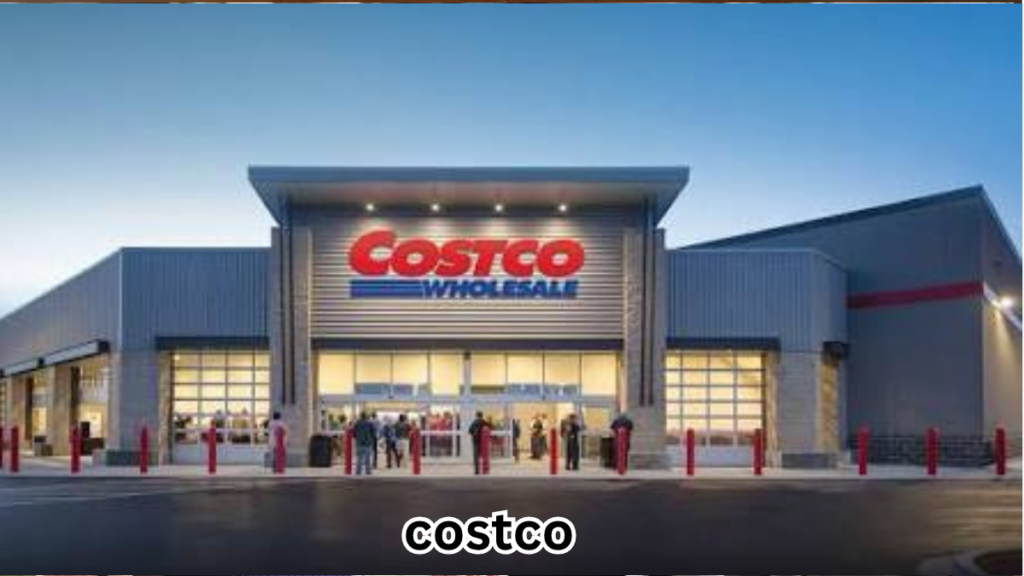
Costco has become one of the most recognizable warehouse retailers in the world by building its business around a straightforward proposition: customers pay for membership and, in return, gain access to a carefully selected assortment of products at competitive prices. The model sounds simple, but the company’s success comes from a surprisingly sophisticated combination of purchasing power, limited product selection, private-label merchandise, membership economics, efficient operations, and strong customer loyalty.
Unlike a conventional supermarket or department store, Costco does not attempt to stock every possible variation of every product. Its warehouses typically focus on a narrower assortment of items, often purchasing large quantities and using the resulting scale to negotiate favorable prices. The strategy can make a warehouse visit feel different from ordinary retail shopping because the selection is curated rather than endless.
The company has also expanded well beyond groceries. Members can find furniture, appliances, electronics, clothing, jewelry, tires, pharmacy services, optical products, hearing aids, gasoline, prepared foods, travel packages, and numerous other goods and services. Costco’s online business adds another layer, giving members access to products that may not be available in their local warehouse.
The membership system is central to everything. In the United States, a standard Gold Star membership currently costs $65 annually, while Executive membership costs $130. Executive members receive a 2% annual reward on qualifying Costco, Costco.com, and Costco Travel purchases, subject to terms and a maximum reward.
That structure creates an unusual relationship between retailer and customer. A shopper is not simply visiting a store; the shopper has already paid for the right to shop there. This encourages members to think carefully about whether the annual fee is justified and, once they become regular customers, can encourage them to consolidate more of their household spending under one retail relationship.
The result is a business that sits somewhere between a grocery store, department store, wholesale distributor, membership club, and consumer-services platform. Understanding how all of those pieces fit together explains why the company has remained so influential in modern retail.
The Membership Model That Powers the Business
The membership model is arguably the most important feature of Costco’s retail strategy because it changes the economics of the entire shopping experience. Instead of relying solely on product markups, the company receives recurring membership revenue from customers who want continued access to its warehouses and online store. That creates an additional financial foundation that ordinary retailers do not have in the same form.
The current Gold Star membership provides access to warehouses and Costco.com and includes one additional household card at no additional charge. Executive membership adds a higher annual fee and a 2% reward on qualifying purchases. Costco’s official membership materials state that the Executive reward can reach up to $1,250, with applicable terms and exclusions.
This arrangement creates a psychological as well as financial effect. Once someone has paid a membership fee, the customer has a reason to return regularly and make the most of the benefits. A household that buys groceries, gasoline, prescription medications, tires, appliances, and other products from the same retailer can potentially extract substantial value from the annual fee.
The membership model also gives the company a valuable recurring relationship with customers. A conventional retailer has to persuade shoppers to return every time they need something. A membership warehouse starts with a customer who has already made a commitment to the business.
This does not automatically make membership worthwhile for everyone. A person who rarely shops at warehouses, lives far from a location, has limited storage space, or buys very small quantities may not capture enough value to justify the fee. The economics depend heavily on shopping habits.
For larger households, frequent shoppers, and consumers who use several services, however, the membership can be easier to justify. The calculation is not simply about whether individual products are cheaper. It is about the total value generated over an entire year.
Gold Star and Executive Membership Compared
The standard Gold Star membership is designed for personal and household shopping. It provides the basic access that most consumers associate with warehouse membership, including the ability to shop in warehouses and online. It also includes a household card for an eligible person living at the same address.
Executive membership is essentially an upgraded version of the standard structure. The additional fee provides access to the same core shopping environment while adding a 2% annual reward on qualifying purchases. Executive members can also receive additional benefits and discounts through selected services.
The important financial question is whether the additional reward and benefits compensate for the upgrade fee. Because the current upgrade difference is $65, an Executive member needs enough qualifying annual spending for the reward to make economic sense. Costco’s own reward information illustrates the relationship between spending and the potential annual reward.
For a household that regularly buys expensive qualifying items, the Executive level can become attractive. Large appliance purchases, furniture, travel expenses, electronics, and recurring household spending can add up quickly. A household that barely shops beyond occasional grocery trips may have a harder time generating enough eligible spending to justify the upgrade.
This is why membership should be evaluated according to actual spending rather than perceived status. The higher tier is not automatically better; it is more valuable when a member’s purchasing patterns make the additional benefits meaningful.
| Membership Feature | Gold Star | Executive |
|---|---|---|
| Annual membership fee | $65 | $130 |
| Warehouse shopping | Yes | Yes |
| Costco.com shopping | Yes | Yes |
| Household card | Included | Included |
| 2% annual reward | No | Yes, on qualifying purchases |
| Maximum annual reward | Not applicable | Up to $1,250 |
| Costco Travel qualifying purchases | No Executive reward | Eligible for 2% reward, subject to terms |
| Costco Services benefits | Standard | Additional selected benefits |
Membership fees and benefit terms can change, so shoppers should consult the current official membership information before making a purchase decision.
Why the Warehouse Format Works
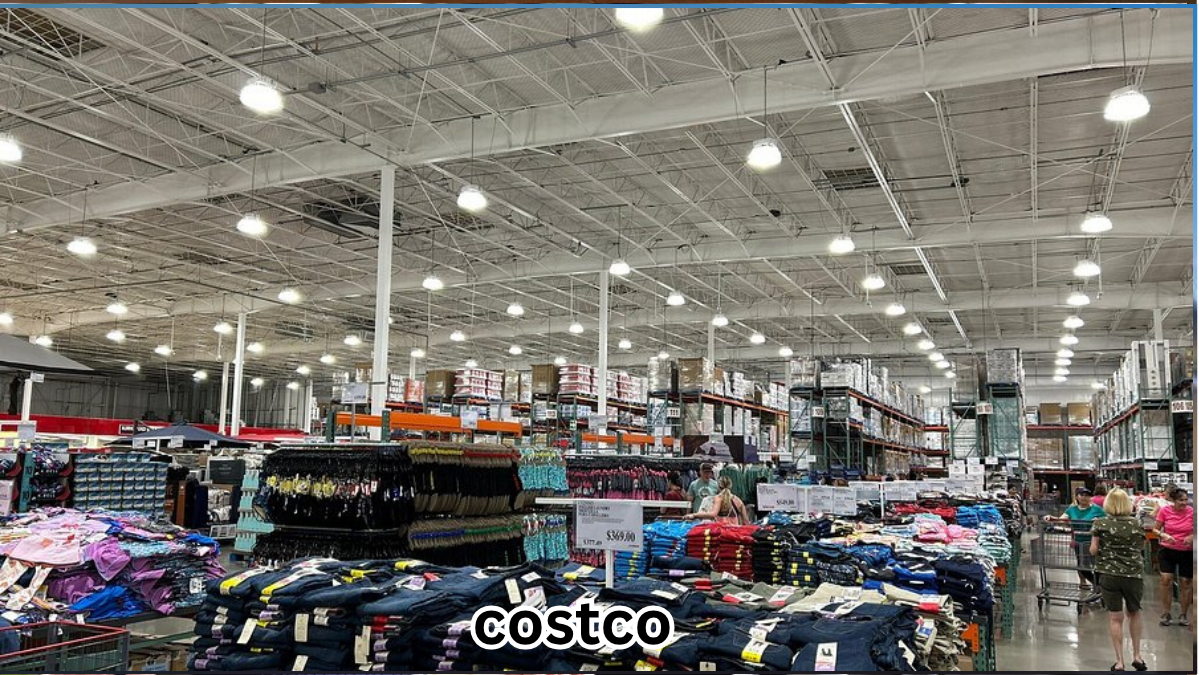
The warehouse format is fundamentally about scale. Instead of creating a conventional retail environment with countless shelves of small quantities, Costco buys products in large volumes and presents them in a relatively utilitarian setting.
That simplicity is intentional. Merchandise may remain in shipping cartons or be stacked on industrial-style shelving. The company does not need to create the same decorative retail environment used by many department stores. Those operational savings can contribute to its ability to maintain a value-oriented pricing strategy.
The warehouse also encourages larger purchases. A shopper might buy a large package of paper products, multiple cases of beverages, a substantial package of meat, or a bulk supply of household necessities. This is useful for families, businesses, and consumers who have enough storage space to handle larger quantities.
Bulk purchasing can produce a lower cost per unit, but it is not automatically economical. A giant package only represents a saving if the household actually uses everything before it expires or becomes unnecessary.
This is one of the most important lessons of warehouse shopping: the unit price matters more than the package price. A large container may appear expensive but have a lower per-ounce or per-unit cost than a smaller package elsewhere.
However, consumers also need to consider waste. Buying a giant quantity of fresh food is not a bargain if half of it ends up discarded. Smart warehouse shopping combines bulk purchasing with realistic consumption habits.
The Kirkland Signature Advantage
Kirkland Signature is one of the most important elements of Costco’s product strategy. The private-label brand covers an enormous range of categories, including food, beverages, household products, clothing, personal care items, supplements, and other merchandise.
Private-label products can provide several advantages. Retailers have greater control over product specifications, packaging, pricing, and positioning. They also avoid some of the marketing and brand costs associated with national-name products.
For customers, the attraction is often value. Kirkland Signature products are positioned as alternatives to branded merchandise while maintaining an emphasis on quality and competitive pricing.
The brand has also become a major part of the company’s identity. Instead of treating private-label merchandise as a secondary option, Costco has integrated it into many of the categories that drive regular household purchases.
This creates an important feedback loop. If members trust the private label, they have more reasons to shop regularly because they know they can find familiar products at the warehouse.
A strong private brand can also give a retailer greater control over its assortment. Rather than simply selling whatever products manufacturers choose to offer, the retailer can develop specifications around what it believes customers want.
How Costco Keeps Its Product Selection Focused
One of the biggest differences between a warehouse club and a traditional supermarket is the number of products available. Costco deliberately maintains a more limited assortment than many conventional retailers.
At first, that may seem like a disadvantage. Shoppers may not find five versions of a particular item. Instead, they may encounter one or two carefully selected choices.
The advantage is purchasing efficiency. If a retailer concentrates its buying power on fewer products, it can often negotiate larger orders and build stronger relationships with suppliers.
This strategy can also make shopping faster. Instead of comparing dozens of nearly identical products, customers encounter a curated selection.
The trade-off is reduced choice. A shopper who wants a very specific brand, flavor, size, color, or technical specification may find the warehouse assortment less flexible than a traditional store or online marketplace.
That limitation is part of the model rather than an accident. The company’s objective is not to maximize the number of products available. It is to maximize the perceived value of the products it chooses to carry.
Grocery Shopping at the Warehouse
Grocery shopping is one of the strongest reasons many households maintain memberships. The assortment can include fresh produce, meat, seafood, bakery products, dairy, frozen foods, snacks, beverages, pantry staples, and prepared foods.
The bulk format is particularly useful for families that consume large quantities of staple products. Items such as rice, cooking oil, bottled beverages, paper goods, coffee, and household cleaning products can often be purchased in larger packages.
Fresh food requires more discipline. A warehouse shopper needs to understand how much food the household can realistically consume. Large packages can save money when shared among several people, but they can become wasteful when purchased by a small household without a plan.
The same principle applies to prepared foods. Ready-to-eat meals and bakery items can be convenient for busy households, but quantity matters.
One of the best ways to shop efficiently is to create a rough household consumption plan before visiting the warehouse. Knowing what the household actually needs reduces impulse purchases and makes bulk buying more practical.
The Costco Food Court and Customer Experience
The food court has become an iconic part of the warehouse experience. It offers inexpensive prepared food and beverages, creating a familiar routine for many members.
The food court serves a practical purpose beyond food itself. It reinforces the value proposition of membership by making the warehouse experience feel like more than a conventional shopping trip.
For families, an inexpensive meal can also become part of the tradition of visiting the warehouse. A shopping trip that ends with food can feel like a small outing rather than a purely functional errand.
The food court’s popularity demonstrates how low-priced services can strengthen customer loyalty even when they are not the primary source of corporate revenue.
It also fits the broader warehouse philosophy. Customers are already visiting the building, so offering simple, high-volume food products in the same environment can create additional convenience.
The result is a retail experience that blends shopping, eating, services, and household errands into one destination.
Gasoline and Fuel Savings
Fuel is another major reason some members find significant value in warehouse shopping. Gas stations associated with Costco can offer competitive gasoline pricing, although actual savings vary by location and market conditions.
For drivers who purchase substantial amounts of fuel, even a small difference per gallon can become meaningful over a year. The savings can effectively offset part of the annual membership cost.
Fuel is particularly interesting because it can change how consumers perceive the membership. A household may not save enough on groceries alone to justify membership, but regular fuel purchases can alter the calculation.
Drivers should still compare prices locally. The closest station is not necessarily the cheapest, and a long drive specifically to save a few cents per gallon can erase the benefit.
The most efficient approach is to combine errands. If a warehouse is already part of a household’s normal route, fuel savings can be an additional benefit rather than a reason to make a special trip.
Pharmacy, Optical, and Hearing Services
The company’s services extend well beyond merchandise. Its official services information includes pharmacy, optical, hearing aid, and other health-related offerings. Costco states that its pharmacy can provide discounted prescription pricing, while optical locations offer frames, sunglasses, and contact lenses at member pricing.
These services can make membership more valuable because they connect the warehouse to recurring household expenses. Prescription medications, glasses, contact lenses, and hearing services can represent substantial annual costs.
The pharmacy is especially interesting because Costco states that discounted prescription pricing can be available even without insurance. Actual prices vary by medication, location, and circumstances, so consumers should compare their specific prescriptions before assuming the warehouse is always the cheapest option.
Optical services can similarly appeal to families that need multiple pairs of glasses or regular contact lens purchases. The combination of retail products and services creates a broader ecosystem around the membership.
The key advantage is convenience. Instead of maintaining separate relationships with multiple retailers for groceries, fuel, vision products, and pharmacy needs, a household can consolidate several categories in one membership.
Travel Benefits and Vacation Planning
Costco Travel expands the membership concept into the travel industry. Official Costco service information highlights vacation packages, rental cars, cruises, hotels, and other travel experiences, with selected member benefits depending on the offering.
Travel can be particularly relevant to Executive members because qualifying Costco Travel purchases can count toward the 2% Executive reward, subject to the applicable terms.
The travel business also demonstrates how the warehouse model can extend into categories that do not physically occupy warehouse shelves. The retailer uses its membership base as a customer network and negotiates or offers selected travel products through that relationship.
For consumers, travel benefits should be evaluated on the total package rather than one advertised perk. A deal may be valuable because of the combination of price, included amenities, gift cards, room upgrades, rental terms, or other benefits.
Travel also illustrates why the membership model can encourage customers to consolidate spending. A member who already shops for groceries and household goods may also use the same membership for a major annual vacation.
Costco’s Return Policy and Satisfaction Guarantee
One of the company’s most recognizable customer policies is its satisfaction guarantee. Official customer-service materials state that membership can be canceled and refunded if the member is dissatisfied, while merchandise is generally covered by a satisfaction guarantee subject to product-specific limitations.
The policy is powerful because it reduces perceived purchasing risk. Consumers may feel more comfortable trying unfamiliar products when they believe they have a reasonable path to return an unsatisfactory purchase.
There are important exceptions. Costco’s official policy states that certain electronics and major appliances have a 90-day return window, along with other product-specific limitations.
Members should therefore avoid interpreting the satisfaction guarantee as an unlimited return policy with no conditions. Product categories can have different rules, and the official policy should be consulted for high-value or specialized purchases.
The return system is also an important part of the company’s reputation. A strong return experience can increase customer confidence, which in turn can encourage members to experiment with new products.
Shopping Online Versus Shopping in the Warehouse
The online store provides access to a much broader assortment than a typical physical warehouse. This is useful when members need specialized products, large items, or merchandise that may not be stocked at their local location.
Warehouse shopping has different strengths. Customers can see products physically, discover unexpected deals, buy fresh foods, access services, and take advantage of the immediate availability of in-stock merchandise.
Online shopping also introduces delivery considerations. Some products have shipping charges, delivery restrictions, installation requirements, or different return procedures.
Costco’s customer-service information explains that online purchases can be returned to a warehouse in many circumstances, including shipping and handling fees for eligible returns, subject to policy limitations.
The best shopping method therefore depends on the product. Heavy household supplies may be convenient to order online, while produce or clothing may be better evaluated in person.
How to Save More During Warehouse Trips
Smart shopping begins before entering the warehouse. A written list can prevent a surprisingly common problem: buying far more than originally intended.
The environment itself encourages discovery. Large displays, seasonal merchandise, samples, and limited-time products can make shoppers feel that they should purchase something immediately.
One useful strategy is to separate necessities from opportunities. Essential purchases belong on the planned list, while unexpected products should be evaluated according to whether they solve a real household need.
Unit pricing is another important tool. A large package is not automatically cheaper per unit than a smaller package elsewhere.
Storage should also be part of the calculation. A household with limited pantry, refrigerator, or freezer space may gain little from buying extreme quantities.
Finally, consider frequency. If a product is used regularly and has a long shelf life, buying more can make sense. If it is perishable or rarely used, a smaller quantity may provide better real-world value.
The Psychology of Treasure-Hunt Shopping
One of the most interesting features of the warehouse experience is the treasure-hunt effect. Customers may enter looking for ordinary necessities and unexpectedly discover seasonal products, specialty foods, clothing, furniture, electronics, or unusual merchandise.
This unpredictability can increase excitement and encourage repeat visits. Unlike a store with a completely predictable assortment, a warehouse may contain something new or temporary.
Limited quantities can also create urgency. If shoppers believe an unusual product may disappear before their next visit, they may be more likely to purchase it immediately.
This psychology can work in favor of both the customer and the retailer. Customers may discover useful products they would not have searched for online, while the retailer benefits from increased basket sizes.
The risk is impulse spending. A $20 surprise purchase repeated several times can become a substantial expense.
The best warehouse shoppers enjoy the treasure hunt while maintaining enough discipline to distinguish genuine value from the excitement of finding something unexpected.
Seasonal Merchandise and Changing Inventory
Seasonal inventory is an important part of the warehouse experience. Products associated with holidays, summer activities, winter weather, back-to-school periods, and other seasonal events can appear for limited periods.
This means inventory is not always static. A product seen one month may disappear the next, and a shopper who waits too long may not find the same item later.
The changing assortment contributes to the treasure-hunt atmosphere. It also means that members should not assume every product will remain available year-round.
For seasonal products, timing can matter. Buying too early may require storage, while waiting too long can mean missing the item entirely.
This dynamic inventory strategy allows the retailer to keep warehouses fresh and responsive to changing consumer demand.
Electronics and Major Purchases
Electronics can be attractive warehouse purchases because consumers may find competitive pricing combined with warranty and return considerations. Televisions, computers, appliances, cameras, and other technology products are frequently part of the assortment.
However, major purchases deserve more research than ordinary grocery items. Specifications, model numbers, warranty terms, return windows, installation requirements, and included accessories can all affect the true value of a purchase.
Costco’s return policy gives certain electronics and major appliances a 90-day return period, according to the company’s current official policy.
For large purchases, shoppers should compare the complete package rather than just the headline price. A retailer offering a slightly higher product price may include services or accessories that change the overall value.
Warehouse shopping is strongest when consumers use the retailer’s advantages while still doing their own product research.
Furniture, Appliances, and Home Improvement
Large home purchases are another category where warehouse shopping can be compelling. Furniture, refrigerators, washing machines, mattresses, kitchen equipment, and other household products can represent substantial spending.
The advantage of purchasing these products through a membership warehouse can include pricing, selected delivery services, installation options, and customer support, depending on the product.
But large-item shopping requires planning. A discounted refrigerator is not a bargain if it does not fit through the front door. A sectional sofa can be difficult to return if the dimensions were not checked carefully.
Consumers should measure available spaces, verify electrical requirements, examine delivery conditions, and understand return limitations before placing an order.
The company’s customer-service resources also provide specific information about large-item returns and special-order categories, demonstrating why consumers should read the applicable policy rather than relying on a general assumption about returns.
Clothing and Everyday Essentials
Clothing is another category that can surprise new members. The warehouse can carry casual clothing, athletic apparel, outerwear, shoes, socks, underwear, and seasonal garments.
The value proposition is straightforward: everyday clothing can be purchased at competitive prices without requiring a traditional department-store environment.
The assortment changes, however, so shoppers may find a particular style one season and never see it again. This unpredictability contributes to the treasure-hunt effect.
Clothing purchases also demonstrate the importance of quality evaluation. A low price is attractive, but fabric, fit, construction, durability, and care requirements determine whether an item is genuinely valuable.
For basics that a household uses regularly, warehouse pricing can be particularly useful.
The Role of Private Label in Customer Loyalty
Private-label products can strengthen loyalty because customers develop relationships with the retailer’s own brand rather than relying entirely on outside manufacturers.
If a shopper trusts Kirkland Signature coffee, paper products, clothing, vitamins, or household goods, the shopper has an additional reason to remain a member.
This creates a form of brand loyalty that is unusual. Customers are simultaneously loyal to the retailer and to products that only that retailer can offer in the same form.
Private-label development also gives the retailer more control over pricing and product specifications. That control can support the company’s broader value proposition.
The relationship is mutually reinforcing. A successful private label encourages membership, while a large membership base gives the retailer the scale needed to develop and sell private-label products efficiently.
The Economics Behind Low Prices
Low prices are central to the company’s identity, but achieving them requires more than simply marking products down. The retailer’s entire operating model is designed around efficiency.
Limited assortment reduces purchasing complexity. Large volumes strengthen negotiating power. Warehouses reduce the need for elaborate retail displays. Membership fees provide recurring revenue. Private-label merchandise can improve control over product economics.
Each component supports the others.
The model is especially powerful because consumers can see the value directly. A lower price on a familiar product is easy to understand, even if the underlying business economics are complicated.
The company also has an incentive to preserve member trust. If customers stop believing they are receiving strong value, membership retention can suffer.
That makes value perception one of the most important assets in the business.
Why Membership Retention Matters
A retailer that depends on memberships has to think differently about customer retention. Every renewal represents a decision by the member to continue paying for access.
This means the company has a strong incentive to make the overall membership experience feel worthwhile rather than relying on individual transactions.
Members may evaluate value through many channels: grocery prices, gasoline, private-label products, pharmacy savings, travel benefits, customer service, returns, electronics, and seasonal deals.
The company does not need to be the cheapest in every single category. Instead, it needs to create enough cumulative value that members believe the annual fee is justified.
That is a more durable strategy than competing purely on one product category.
It also explains why a member might remain loyal even if another retailer occasionally offers a lower price on an individual item.
The Importance of Costco.com
The online store has expanded the company’s reach beyond physical warehouse locations. Members can shop from home and access products that may not be stocked locally.
Online retail also allows the company to sell large or specialized products without dedicating warehouse floor space to every variation.
The digital experience can therefore complement rather than replace physical stores.
Customers may discover a product online, compare specifications, place an order, and arrange delivery without making a warehouse visit.
At the same time, the physical warehouse remains important because it provides experiences that online shopping cannot fully reproduce, including fresh food, immediate product discovery, fuel, services, samples, and in-person evaluation.
The two channels work best when treated as complementary parts of the same membership ecosystem.
Costco’s Role in the Broader Retail Industry
The company occupies a distinctive position within American retail. It competes with supermarkets, mass merchants, department stores, online marketplaces, specialty retailers, grocery clubs, and other warehouse chains.
Its strongest competitive advantage is not necessarily one product category. It is the combination of membership, value, assortment, scale, and customer trust.
A shopper might use one retailer for groceries, another for electronics, another for pharmacy needs, and another for fuel. The warehouse model attempts to capture several of those categories under one membership.
That creates convenience as well as economic value.
The broader retail industry has increasingly moved toward membership programs, loyalty systems, private-label brands, and subscription relationships. The warehouse model was an early and particularly successful example of turning customer loyalty into a central part of retail economics.
Recent Membership Fee Changes and What They Mean
Membership fees are not permanently fixed. Costco periodically adjusts its membership pricing, and official customer-service information notes that membership fees are subject to change.
Fee increases can attract attention because they directly affect the value calculation for households. However, a higher annual fee does not automatically mean a membership has become less worthwhile.
The correct calculation is based on benefits received. If a household saves significantly on groceries, fuel, pharmacy purchases, travel, or other qualifying spending, a modest membership increase may have little effect on overall value.
Executive members should also evaluate whether their qualifying spending generates enough of the annual reward to justify the additional fee.
The broader lesson is that membership value should be measured annually rather than emotionally. A person who has used the membership heavily may continue receiving substantial value even after a fee adjustment.
The Environmental and Packaging Question
Bulk retail creates an interesting environmental trade-off. Buying larger quantities can reduce the amount of packaging used per unit of product, but it can also encourage households to purchase more than they need.
Packaging efficiency depends heavily on the specific product. A large container may use less material per ounce than several small containers, while certain bulk products may require substantial packaging because of their size or transportation needs.
Food waste is another consideration. Buying more food only helps financially and environmentally when the household consumes it.
Consumers can reduce waste by planning meals, freezing suitable products, sharing bulk purchases with family members, and paying attention to expiration dates.
Warehouse shopping is therefore not inherently sustainable or unsustainable. The environmental result depends on how products are sourced, packaged, transported, consumed, and discarded.
How Small Businesses Can Use the Warehouse Model
The business membership structure can appeal to entrepreneurs and small companies that need supplies for operations or resale, subject to the applicable membership terms and restrictions.
Small businesses can use warehouse purchasing for office supplies, food-service products, cleaning materials, equipment, beverages, and other recurring needs.
The economics can be attractive when purchases are predictable and storage capacity is available.
However, businesses should account for cash flow and inventory turnover. Buying a large quantity at a lower unit cost can still be inefficient if the products remain unused for too long.
The same principle that applies to households applies to businesses: the lowest unit price is not always the lowest total cost.
How Families Can Get the Most Value
Families are often natural warehouse shoppers because they consume larger quantities of everyday necessities. Multiple household members also make it easier to use bulk packages before they expire.
A practical family shopping strategy begins with recurring products. Toilet paper, paper towels, laundry supplies, pantry staples, beverages, snacks, and other long-lasting products are often easier to buy in bulk than highly perishable items.
Fresh foods require more planning. Families should estimate weekly consumption and avoid buying simply because a package appears inexpensive.
Families can also benefit from using several services under one membership. Pharmacy, optical, fuel, travel, and household purchases can collectively increase the value of the annual fee.
The strongest warehouse strategy is therefore not simply “buy in bulk.” It is “buy the right products in the right quantities at the right frequency.”
Common Mistakes New Members Make
One of the most common mistakes is assuming that everything is cheaper. Warehouse pricing can be competitive, but individual products should still be compared using unit prices.
Another mistake is buying excessive quantities of perishable foods. A family can quickly waste money if a large package is purchased without a realistic consumption plan.
Impulse buying is another challenge. Seasonal products and unexpected deals can make the shopping cart grow much faster than expected.
Some shoppers also underestimate storage requirements. Bulk purchases can overwhelm a small pantry, freezer, refrigerator, or garage.
Finally, new members sometimes focus exclusively on groceries and overlook services. Pharmacy, optical, fuel, travel, tires, and other categories can be significant contributors to overall membership value.
How to Decide Whether a Membership Is Worth It
The simplest way to evaluate membership is to look at annual spending rather than individual shopping trips. Add up the categories you expect to purchase and estimate realistic savings.
Consider groceries first, but do not stop there. Include fuel, household products, pharmacy expenses, optical purchases, travel, appliances, and other categories that you would genuinely use.
Then subtract the annual membership fee from the estimated value of those benefits.
For Executive membership, also estimate qualifying annual spending and the potential 2% reward. The current upgrade structure means the additional fee is $65 above the standard membership level, subject to applicable terms.
This calculation is more reliable than assuming a membership must be valuable simply because friends or relatives use one.
The right membership is ultimately the one that fits actual consumption patterns.
The Future of Warehouse Retail
Warehouse retail continues to evolve as consumers change how they shop. Online ordering, delivery, mobile memberships, digital payments, and personalized services are increasingly important.
At the same time, physical stores remain valuable for categories that benefit from inspection, immediate availability, and discovery.
The future of the warehouse model will probably involve greater integration between physical and digital shopping rather than a complete replacement of one by the other.
Membership businesses also have an advantage when customers are comfortable using several services through one account.
The more useful the ecosystem becomes, the stronger the relationship between the retailer and member can become.
Why Costco Remains Different From Ordinary Retailers
Costco’s strongest distinction is that its business model starts with membership rather than treating loyalty as a secondary feature. The customer pays first and shops afterward.
That creates an unusual psychological contract. Members expect value because they have already invested money in access.
The company responds by emphasizing product quality, competitive pricing, limited assortment, private-label merchandise, services, and customer satisfaction.
Its return policy reinforces that relationship. Official materials state that the company provides a 100% satisfaction guarantee on membership and merchandise, subject to specified exceptions and limitations.
The model works because the different pieces support one another. Membership drives loyalty, loyalty supports purchasing volume, purchasing volume supports supplier negotiations, and the resulting value can encourage further membership retention.
That cycle is the heart of the warehouse-club concept.
Frequently Asked Questions About Costco
What is Costco best known for?
Costco is best known for its membership warehouse model, bulk merchandise, competitive pricing, and Kirkland Signature private-label products. It also offers services including fuel, pharmacy, optical, hearing aids, travel, tires, and other household-oriented offerings.
How much does a Costco membership cost?
The current U.S. Gold Star membership fee is $65 per year, while Executive membership costs $130 per year. Executive membership includes the standard membership benefits plus a 2% annual reward on qualifying purchases, subject to applicable terms and limits.
Is Costco Executive membership worth it?
Executive membership can be worthwhile for households that make enough qualifying purchases to generate meaningful rewards and use the additional services and benefits. The additional annual fee is currently $65, so members should compare their expected qualifying spending with the potential reward before upgrading.
Does Costco have a good return policy?
Costco has a broad satisfaction guarantee, but there are product-specific exceptions. The company states that it will refund membership fees if a member is dissatisfied and generally guarantees merchandise satisfaction, while certain electronics and major appliances have a 90-day return period.
Is Costco cheaper than other stores?
It can be cheaper on many products, but it is not automatically the lowest-priced retailer for every item. The strongest comparisons use unit prices and account for package size, quality, membership fees, travel costs, and whether the household will actually use the purchased quantity.
Is Kirkland Signature a good brand?
Kirkland Signature is the company’s private-label brand and covers a wide range of categories. Its role is to provide products designed around the retailer’s value and quality standards, making it an important part of the overall warehouse assortment.
Can Costco members shop online?
Yes. Gold Star and Executive members can shop through Costco.com as part of their membership benefits. Online shopping expands the available assortment beyond what may be stocked at a particular warehouse.
Does Costco offer pharmacy and optical services?
Yes. Costco’s official services information lists pharmacy, optical, hearing aid, pet medication, and other health-related services. Availability and specific benefits can vary by location and service.
Does Costco offer travel services?
Yes. Costco Travel offers vacation packages, rental cars, cruises, experiences, and other travel products. Selected offerings can include member benefits, and qualifying Costco Travel purchases can contribute to the Executive 2% reward under the applicable terms.
What is the biggest advantage of a Costco membership?
The biggest advantage is the combination of purchasing power and member value across many categories. A household that regularly buys groceries, fuel, household essentials, health products, travel, and other qualifying merchandise may be able to receive much more value than the annual membership fee.
Conclusion
Costco has built a remarkably durable retail model by doing something that sounds simple but is difficult to execute consistently: it combines membership, scale, limited assortment, private-label products, competitive prices, and customer-focused policies into one integrated shopping experience.
The company’s strength is not based on a single product category. A member may join because of groceries and eventually discover that fuel, pharmacy services, optical purchases, travel, appliances, electronics, clothing, and Kirkland Signature products make the membership considerably more valuable.
The membership structure is the foundation. A standard Gold Star membership currently costs $65 annually in the United States, while Executive membership costs $130 and offers a 2% reward on qualifying purchases. These fees make it important for consumers to think about their actual spending habits rather than assuming that membership is automatically worthwhile.
The warehouse model also teaches an important lesson about value. A low price is only valuable when the product is useful, the quantity is appropriate, and the household can actually consume or use what it buys. Bulk shopping can save money, but thoughtful planning is what turns a warehouse trip into genuine savings.
The company’s private-label strategy adds another layer of differentiation. Kirkland Signature gives shoppers familiar products across numerous categories while helping the retailer control product specifications and pricing. Over time, trust in that private label can become part of the reason members continue renewing.
Customer service is another important part of the equation. The company’s broad satisfaction guarantee reduces the perceived risk of trying unfamiliar products, although members still need to understand product-specific return limitations.
Ultimately, the most useful way to think about Costco is not simply as a place that sells products in large packages. It is a membership ecosystem designed to capture a larger share of a household’s recurring spending by combining merchandise, services, convenience, and perceived value.
For consumers who shop thoughtfully, have adequate storage, use multiple services, and make enough recurring purchases, that model can be exceptionally effective. For occasional shoppers with limited storage or very specific purchasing needs, the value proposition may be less compelling.
The important point is that successful warehouse shopping is not about buying the biggest package available. It is about understanding unit costs, planning purchases, comparing alternatives, using membership benefits, and recognizing which services genuinely improve the household budget.
That is why the warehouse model has remained influential in modern retail. It turns shopping from a series of isolated transactions into a long-term membership relationship. When customers believe that relationship consistently saves money or provides useful benefits, the annual fee becomes easier to justify and the retailer becomes part of the household’s regular routine.
The strongest lesson is simple: value comes from the complete package. Price matters, but so do quality, convenience, selection, customer service, rewards, and the ability to use what you buy.
For millions of shoppers, that combination is what makes the warehouse experience distinctive. And as retail continues to evolve between physical stores, online shopping, private brands, delivery services, and membership programs, the principles behind this model remain remarkably relevant.