
Language changes faster than most people realize. New words appear, old phrases evolve, and abbreviations become everyday conversation almost overnight. Texting, online communication, social platforms, forums, emails, and instant messaging transformed how people express ideas. In that shift, certain abbreviations moved from niche internet language into mainstream communication. One of the most recognizable examples is fwiw.
At first glance, it looks simple.
Four letters.
Short.
Easy to type.
Easy to overlook.
But like many digital expressions, its meaning depends heavily on tone, context, intention, and relationship between speakers.
People use abbreviations because communication rewards efficiency.
Messages became shorter.
Attention spans changed.
Conversations accelerated.
Language adapted.
Expressions that once required full sentences gradually became compressed into small combinations of letters carrying surprisingly complex meaning.
Among those expressions, fwiw remains interesting because it communicates more than information.
It communicates attitude.
Politeness.
Humility.
Distance.
Soft disagreement.
Additional context.
And sometimes emotional nuance.
Understanding why this expression survived while countless internet phrases disappeared reveals something important about modern language.
Small phrases often succeed because they solve communication problems.
This article explores meaning, origins, usage, interpretation, examples, social impact, communication psychology, digital evolution, and why this abbreviation continues appearing in conversations across generations.
What FWIW Means and Why People Use It
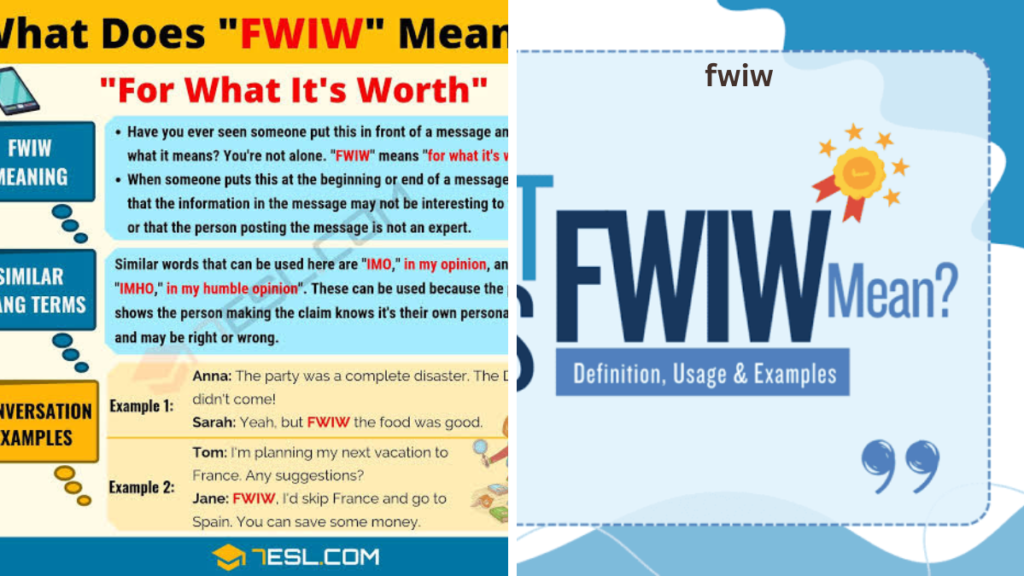
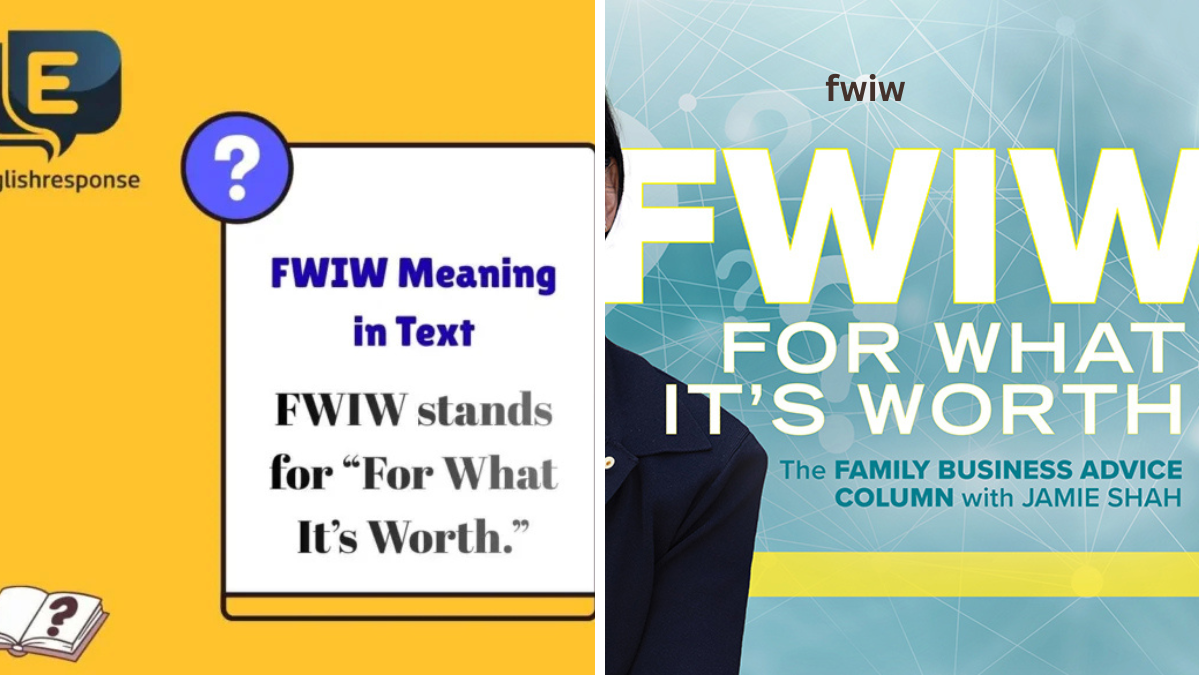
The expression fwiw stands for “for what it’s worth.”
Although the phrase existed long before internet communication, abbreviation transformed it into something faster and more adaptable.
At its core, the expression introduces information while reducing pressure.
It signals that someone is offering perspective rather than making a strong demand.
People often use it to soften statements.
Offer opinions.
Share experiences.
Suggest ideas.
Add context.
Present disagreement politely.
The phrase creates emotional flexibility.
It allows someone to speak without sounding overly certain.
That quality makes it especially useful in digital conversations where tone becomes difficult to interpret.
Imagine someone saying:
“FWIW, I liked the earlier version.”
The message feels softer than:
“The earlier version was better.”
That small difference changes how communication feels.
Language often depends less on information and more on delivery.
The Historical Background of the Phrase
Long before text messages existed, people already used the full expression “for what it’s worth.”
Its roots belong to conversational English rather than internet culture.
Historically, speakers used it when introducing observations they considered helpful but not absolute.
The phrase carried humility.
It implied:
This may help.
This may not.
I’m offering perspective rather than certainty.
That subtle tone made the phrase socially useful.
Language often develops expressions that reduce conflict.
People want ways to contribute without appearing arrogant.
This phrase solved that problem.
Digital communication simply shortened it.
Once texting and forums became popular, abbreviations accelerated.
Long phrases transformed.
Efficiency became normal.
The abbreviated version survived because it preserved emotional meaning while reducing effort.
Why Internet Language Loves Abbreviations
Digital communication changed expectations.
Messages became faster.
Shorter.
More immediate.
People adapted.
Abbreviations became practical.
Typing speed mattered.
Screen space mattered.
Attention mattered.
Internet language evolved around efficiency.
But successful abbreviations usually do more than save time.
They preserve emotional meaning.
That explains why some expressions disappear while others remain.
People kept using fwiw because it communicates tone efficiently.
It reduces confrontation.
Signals openness.
Introduces perspective gently.
Language rewards usefulness.
Useful phrases survive.
The Psychology Behind Softening Language
Communication involves more than transferring information.
People constantly manage relationships.
Social dynamics.
Perception.
Language often softens statements intentionally.
Expressions like this help speakers avoid appearing aggressive.
Humility becomes socially valuable.
People frequently prefer sounding collaborative instead of absolute.
Soft language encourages conversation.
Reduces defensiveness.
Creates openness.
That effect becomes especially important online.
Without facial expressions and voice tone, written communication risks appearing harsher than intended.
Small phrases reduce that risk.
Common Ways People Use the Expression
People use the phrase in many situations.
Different contexts create slightly different meanings.
Sometimes it introduces advice.
Sometimes personal experience.
Sometimes disagreement.
Sometimes emotional support.
Context changes interpretation.
Examples include:
“FWIW, I had a different experience.”
“FWIW, that approach worked for me.”
“FWIW, your first idea sounded stronger.”
Notice the pattern.
The expression reduces pressure.
People present opinions without demanding agreement.
Situations Where It Works Especially Well
Certain situations make the phrase especially effective.
Professional discussion.
Friendly disagreement.
Feedback.
Recommendation.
Advice.
Online communities.
Collaborative projects.
It often appears where relationships matter.
People want to contribute while remaining respectful.
That balance creates stronger communication.
Table: Different Interpretations of Usage
| Situation | Typical Meaning |
|---|---|
| Advice | Helpful suggestion |
| Feedback | Gentle opinion |
| Debate | Soft disagreement |
| Friendship | Personal perspective |
| Work | Additional context |
| Discussion | Low-pressure contribution |
This flexibility explains long-term popularity.
Communication Tone and Social Intelligence
Tone strongly influences interpretation.
People remember how messages feel.
Not only what messages say.
Tone management becomes increasingly important in digital communication.
Small phrases shape tone dramatically.
People often underestimate this effect.
Language creates emotional environments.
Soft expressions encourage collaboration.
Aggressive language creates resistance.
The phrase remains useful because it improves tone efficiently.
Why Context Changes Meaning
Context matters enormously.
The same phrase can sound supportive, uncertain, confident, polite, or ironic depending on usage.
Language always depends on environment.
Relationship.
Timing.
Audience.
This flexibility helps explain continued relevance.
Expressions survive when they adapt.
Professional Communication and Modern Language
Work communication changed significantly.
Professional language became less formal.
Messages became shorter.
Collaboration increased.
Many workplace conversations now include informal language.
Expressions like fwiw sometimes appear in professional environments because they reduce tension.
People contribute ideas without sounding overly forceful.
However, context still matters.
Audience expectations influence language choices.
Social Media and Abbreviation Culture
Social platforms accelerated language evolution.
Short posts encouraged efficiency.
Users developed compact ways to express complex ideas.
Abbreviations became cultural markers.
People recognized communities through language.
Some expressions disappeared quickly.
Others remained useful.
This abbreviation stayed relevant because it solved practical communication problems.
Why People Continue Using It Today
Many internet expressions feel temporary.
This one endured.
That survival reveals usefulness.
People continue needing ways to express opinions politely.
Technology changes.
Human communication needs remain surprisingly stable.
Language evolves.
Relationships remain important.
That balance explains longevity.
A Quote That Captures Its Purpose
One communication principle reflects the value of this phrase:
“The strongest conversations leave room for other perspectives.”
That idea explains why people continue using soft language.
Communication improves when certainty becomes flexible.
The Future of Digital Language
Language will continue changing.
New expressions will appear.
Old phrases will disappear.
Yet principles remain stable.
People still value efficiency.
Tone.
Connection.
Respect.
Expressions that support those goals tend to survive.
That makes this abbreviation interesting.
It reflects broader communication trends.
Not just internet slang.
Conclusion
The expression fwiw may appear small, but its role in modern communication is surprisingly meaningful. It allows people to offer opinions gently, introduce ideas without pressure, and create conversations that feel collaborative rather than confrontational.
Its success comes from usefulness.
Language rewards expressions that solve real problems.
This one continues working because people still value respectful communication.
Technology changes.
Platforms evolve.
But people continue searching for ways to connect thoughtfully.
That is why this short phrase remains relevant.
FAQ
What does FWIW stand for?
It stands for “for what it’s worth.”
Is FWIW considered polite?
Yes, it often softens opinions and makes communication feel less forceful.
Can FWIW be used professionally?
Sometimes, depending on workplace culture and communication style.
Why do people still use FWIW?
Because it communicates tone efficiently and reduces conversational tension.
Is FWIW only used online?
No, the original phrase existed before internet communication and continues appearing in everyday speech.