
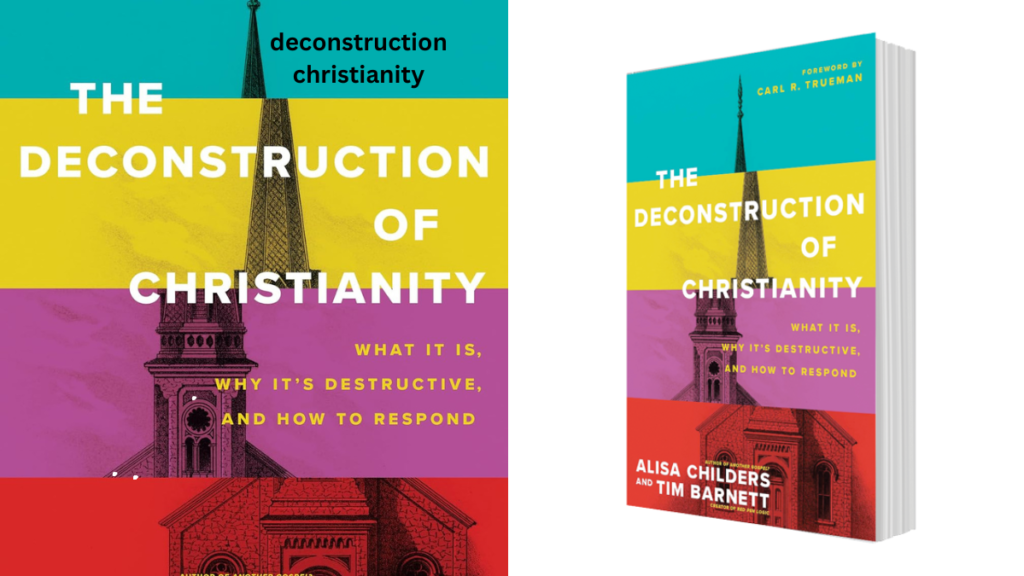
The conversation surrounding deconstruction christianity has become one of the most significant developments in modern faith communities. Across denominations, generations, and cultural backgrounds, many believers are reevaluating long-held assumptions about theology, church traditions, biblical interpretation, and spiritual identity. While some view this process as a crisis of faith, others see it as an opportunity for deeper understanding and authentic spiritual growth.
In recent years, social media platforms, podcasts, books, and online communities have amplified discussions about personal faith journeys. Stories from individuals who have questioned inherited beliefs have become increasingly visible. These stories often reveal complex experiences involving church culture, personal disappointment, intellectual curiosity, trauma, and spiritual transformation.
At its core, deconstruction christianity refers to the process of critically examining one’s beliefs, traditions, values, and assumptions related to Christianity. This process can lead to strengthened faith, revised beliefs, denominational changes, or, in some cases, departure from organized religion altogether. Because every journey is unique, there is no single path or outcome.
The topic generates strong opinions because it touches on deeply personal issues. Faith often shapes identity, relationships, morality, community involvement, and life purpose. When individuals begin questioning foundational beliefs, the effects can ripple through every area of life.
Understanding this movement requires more than simplistic labels. It demands empathy, historical context, theological awareness, and recognition of the diverse experiences that contribute to spiritual questioning. Rather than treating faith exploration as a threat, many scholars and religious leaders encourage thoughtful dialogue and honest reflection.
A commonly shared perspective among those navigating spiritual questions is reflected in the statement: “Questions are not the enemy of faith; unanswered questions often become the doorway to deeper understanding.” This sentiment captures why so many individuals engage in spiritual examination despite uncertainty and discomfort.
The growing interest in deconstruction christianity also reflects broader cultural trends. Increased access to information, changing social values, global communication networks, and heightened awareness of institutional accountability have encouraged people to evaluate beliefs more critically than previous generations.
As this conversation continues to evolve, understanding its origins, motivations, challenges, and potential outcomes becomes increasingly important for believers, church leaders, educators, and anyone interested in contemporary religion.
What Deconstruction Christianity Really Means
One of the biggest misconceptions surrounding deconstruction christianity is the assumption that it automatically leads to abandoning faith. In reality, the process varies dramatically from person to person. For some, it results in a stronger commitment to Christianity. For others, it leads to substantial theological changes or spiritual exploration outside traditional religious structures.
The term “deconstruction” originally emerged from philosophical and literary discussions associated with examining assumptions, structures, and meanings. Within Christian contexts, it has taken on a broader and more practical meaning. It generally refers to examining inherited beliefs and asking whether those beliefs align with personal convictions, scripture, history, and lived experience.
Many people begin questioning teachings they previously accepted without examination. They may revisit doctrines regarding salvation, biblical interpretation, gender roles, church authority, social issues, or denominational traditions. This reevaluation often occurs alongside personal study, conversations, and reflection.
Some individuals describe the experience as dismantling a house to inspect its foundation. The goal is not necessarily destruction. Instead, it involves determining which elements remain trustworthy and which require reconstruction.
This distinction matters because public discussions often portray faith questioning as inherently negative. However, throughout Christian history, believers have engaged in theological debates, doctrinal refinement, and spiritual reflection. Questioning has frequently contributed to growth rather than decline.
Another important aspect is emotional complexity. Intellectual concerns may trigger the process, but emotional experiences often shape it. Hurtful church experiences, leadership failures, hypocrisy, exclusion, or unanswered suffering can create tensions that demand exploration.
The language used to describe the journey also varies. Some prefer terms such as faith reconstruction, spiritual reevaluation, theological reflection, or faith refinement. Regardless of terminology, the central theme remains thoughtful examination of beliefs and practices.
Understanding this broader definition helps create space for more productive conversations. Instead of assuming motives or outcomes, people can engage with the experiences and concerns that often initiate the process.
Historical Roots of Faith Examination
Although social media has popularized the discussion, the practice associated with deconstruction christianity is not new. Throughout Christian history, believers have wrestled with difficult questions about doctrine, authority, scripture, and spiritual practice.
Early church leaders debated fundamental theological issues that shaped Christian doctrine. Questions regarding the nature of Christ, the Trinity, salvation, and church governance were intensely discussed for centuries. These debates demonstrate that critical examination has always been part of Christian development.
The Protestant Reformation offers another significant example. Reformers challenged existing religious structures and teachings, arguing that some traditions had drifted away from biblical foundations. Their efforts transformed Christianity and influenced generations of believers.
Christian scholars throughout history have also engaged philosophy, science, ethics, and cultural changes. Rather than avoiding difficult questions, many sought thoughtful responses that integrated faith and reason.
The history of Christianity reveals a pattern of continual reflection and reform. While methods and conclusions differ, the willingness to examine assumptions has often contributed to theological growth and institutional renewal.
This historical context challenges the idea that questioning faith is purely a modern phenomenon. Instead, it highlights a longstanding tradition of inquiry that has shaped Christian thought across centuries.
Common Reasons People Begin Questioning Their Faith
The motivations behind deconstruction christianity are remarkably diverse. No single explanation can account for the experiences of everyone involved.
| Common Factor | Description | Potential Impact |
|---|---|---|
| Intellectual Questions | Concerns about theology, history, or biblical interpretation | Deeper study and reflection |
| Church Hurt | Negative experiences within religious communities | Reevaluation of trust and authority |
| Cultural Change | Exposure to new perspectives and ideas | Expanded worldview |
| Personal Trauma | Experiences involving loss, abuse, or suffering | Spiritual questioning |
| Leadership Failure | Disappointment with religious leaders | Institutional skepticism |
| Social Issues | Questions about ethics and inclusion | Doctrinal reassessment |
Intellectual curiosity frequently serves as a starting point. Individuals may encounter historical information, scientific perspectives, or theological arguments that challenge existing assumptions. Rather than ignoring these questions, they pursue answers through study and discussion.
Personal experiences often play an equally important role. Significant life events such as grief, illness, injustice, or disappointment can prompt deeper reflection about faith and meaning.
Church-related experiences also influence the process. When communities fail to embody their stated values, members may struggle to reconcile beliefs with observed behavior. Issues involving abuse, hypocrisy, manipulation, or exclusion can create profound spiritual challenges.
Cultural shifts contribute as well. Modern communication technologies expose individuals to diverse viewpoints and experiences. This exposure can encourage people to examine beliefs that previously went unquestioned.
Despite the variety of motivations, a common thread remains the desire for authenticity. Many individuals seek beliefs they can genuinely embrace rather than simply inherit.
The Emotional Side of Spiritual Reevaluation
The journey associated with deconstruction christianity is often emotionally demanding. While public discussions frequently focus on theological questions, emotional experiences significantly shape the process.
For many people, faith forms a central part of identity. Religious beliefs influence relationships, values, traditions, and life decisions. Questioning those beliefs can feel destabilizing and uncertain.
Fear commonly emerges during this period. Individuals may worry about disappointing family members, losing friendships, facing community rejection, or reaching uncomfortable conclusions.
Grief is another common experience. Letting go of familiar beliefs, traditions, or expectations can create a genuine sense of loss. Even when change feels necessary, it often involves emotional challenges.
At the same time, many people report feelings of relief. Honest exploration can reduce internal tension created by suppressing doubts or concerns. The ability to ask questions openly may foster a greater sense of authenticity.
Supportive relationships become especially important during this stage. Friends, mentors, counselors, and faith communities that encourage respectful dialogue can provide stability and perspective.
Emotional well-being should not be overlooked when discussing spiritual questions. Intellectual exploration and emotional processing often occur simultaneously, influencing each other throughout the journey.
The Role of Community in Faith Development
Community plays a powerful role in shaping religious beliefs and experiences. Churches provide worship opportunities, spiritual formation, social connections, and shared traditions. These benefits often contribute significantly to personal growth.
However, communities can also influence how individuals respond to questions. Environments that encourage curiosity and dialogue may help people navigate uncertainty constructively. Communities that discourage questions may unintentionally increase tension and isolation.
Healthy communities recognize that spiritual growth often involves periods of uncertainty. Rather than viewing every question as a threat, they create space for respectful conversation and mutual learning.
The relationship between individual faith and communal identity remains one of the most important aspects of modern Christianity. Balancing personal conviction with community belonging continues to challenge believers across theological traditions.
Faith Reconstruction and What Comes After Deconstruction
One of the most overlooked aspects of deconstruction christianity is what happens after the questioning process begins. Public conversations often focus heavily on doubt and uncertainty, but many individuals eventually move into a stage commonly described as reconstruction.
Faith reconstruction involves rebuilding beliefs after careful examination. Instead of simply rejecting previous assumptions, individuals intentionally determine which convictions remain meaningful and trustworthy. This stage often produces a more personal and deeply understood faith.
For some believers, reconstruction results in a renewed commitment to traditional Christian doctrines. After studying scripture, theology, and church history, they conclude that their original beliefs remain compelling. The difference is that these convictions are now personally owned rather than merely inherited.
Others adopt revised theological perspectives. They may remain devoted Christians while interpreting certain doctrines differently than before. This outcome reflects the diversity that has always existed within Christianity.
The reconstruction process often requires patience. Questions that developed over years rarely disappear overnight. Growth frequently occurs gradually through study, prayer, relationships, and lived experience.
Many individuals discover that certainty and faith are not identical concepts. Absolute certainty may be unattainable in many areas of life, yet meaningful commitment remains possible. This realization can create a healthier relationship with ambiguity and complexity.
Another important aspect of reconstruction involves learning to separate essential beliefs from secondary issues. People often reevaluate which doctrines are central to Christian faith and which represent denominational preferences or cultural traditions.
The result is frequently a more mature spiritual perspective. Rather than relying solely on external authority, reconstructed faith often reflects personal conviction developed through thoughtful engagement and experience.
A frequently quoted sentiment among those who have completed this journey states, “The faith I rebuilt became stronger because it was tested rather than assumed.” This perspective highlights how questioning can sometimes contribute to deeper commitment rather than abandonment.
Theology, Scripture, and Intellectual Exploration
Theological exploration occupies a central place within deconstruction christianity. Many individuals begin examining doctrines they have accepted for years without extensive personal investigation.
Biblical interpretation often becomes a major focus. Christians have historically employed different approaches to understanding scripture, including literal, historical, contextual, and literary methods. Learning about these approaches can significantly influence how people read biblical texts.
Church history also becomes increasingly important. Many discover that Christianity has always contained diverse viewpoints and theological debates. Understanding this complexity can challenge assumptions that a single interpretation has always dominated Christian thought.
The doctrine of salvation receives considerable attention as well. Questions regarding grace, faith, judgment, redemption, and eternal life often inspire extensive study and reflection.
Other theological topics frequently examined include divine sovereignty, free will, suffering, human nature, spiritual authority, and the relationship between faith and science.
These explorations can initially feel overwhelming. Theological discussions often involve centuries of scholarship, interpretation, and debate. However, many individuals find intellectual engagement deeply rewarding.
The process also highlights the importance of humility. Few theological questions have simple answers, and thoughtful Christians have disagreed on numerous issues throughout history.
Rather than eliminating faith, intellectual exploration can strengthen it by providing a deeper understanding of beliefs and their historical foundations.
Many scholars emphasize that Christianity has long valued both faith and reason. Intellectual inquiry need not be viewed as a threat to spiritual commitment. Instead, it can serve as a valuable tool for growth and understanding.
Social Media and the Expansion of Faith Conversations
Modern technology has dramatically changed the way people discuss spiritual topics. Social media platforms, podcasts, online communities, and digital publications have created unprecedented opportunities for conversation and connection.
Before the internet, individuals questioning aspects of their faith often had limited access to alternative perspectives. Today, information is readily available from countless sources around the world.
This accessibility has contributed significantly to the visibility of deconstruction christianity. People can share personal stories, discuss theological questions, and connect with others experiencing similar journeys.
Digital communities often provide support for individuals who feel isolated within their local environments. Knowing that others have faced similar struggles can reduce feelings of loneliness and confusion.
However, social media also presents challenges. Online discussions sometimes become polarized, reducing complex issues to simplistic arguments. Nuance and empathy can be difficult to maintain in highly emotional conversations.
Algorithms may further amplify extreme viewpoints. Individuals can become immersed in content that reinforces existing perspectives while limiting exposure to alternative ideas.
Despite these concerns, digital platforms have undeniably transformed modern faith discussions. They have expanded access to information, encouraged transparency, and facilitated conversations that might otherwise remain hidden.
Many religious leaders now engage actively with online audiences, recognizing the importance of participating in these evolving discussions. Constructive engagement helps create healthier environments for exploration and learning.
The influence of technology is likely to continue shaping how future generations approach spiritual questions and religious identity.
Generational Perspectives on Faith and Doubt
Generational differences play a significant role in conversations about deconstruction christianity. Younger generations often approach faith differently than their parents and grandparents.
Millennials and Generation Z have grown up in highly connected environments where diverse perspectives are readily available. Exposure to different cultures, beliefs, and experiences frequently encourages critical thinking and personal exploration.
Many younger believers place strong emphasis on authenticity. They often value honest discussions about doubt, mental health, social issues, and institutional accountability.
Traditional appeals to authority may carry less influence than they once did. Instead, younger generations frequently seek explanations that combine intellectual credibility, personal experience, and practical relevance.
At the same time, many younger Christians remain deeply committed to their faith. Their willingness to ask questions does not necessarily indicate rejection of Christianity. Instead, it often reflects a desire for deeper understanding and meaningful engagement.
Older generations sometimes view these trends with concern, particularly when questioning challenges familiar traditions. However, generational differences can also create opportunities for mutual learning.
Experienced believers often provide wisdom, historical perspective, and spiritual guidance. Younger believers contribute fresh insights, new questions, and awareness of emerging cultural realities.
Healthy faith communities benefit when multiple generations engage in respectful dialogue rather than treating differences as threats.
Understanding these generational dynamics helps explain why conversations surrounding faith and spiritual identity continue to evolve in contemporary society.
Church Responses to Spiritual Questioning
Churches respond to faith questioning in various ways. Some communities actively encourage open dialogue, while others struggle to address uncertainty effectively.
Supportive churches recognize that spiritual growth often includes difficult questions. Rather than demanding immediate answers, they provide opportunities for discussion, learning, and exploration.
Educational programs, small groups, mentorship relationships, and pastoral counseling can help individuals navigate challenging seasons of faith.
Empathy is especially important. People experiencing spiritual uncertainty often need understanding more than debate. Listening carefully can create an environment where meaningful conversations become possible.
Church leaders increasingly acknowledge the importance of addressing topics that were once avoided. Issues involving science, sexuality, mental health, suffering, historical controversies, and cultural change now receive greater attention in many congregations.
Transparency also contributes to trust. Communities that acknowledge mistakes and address concerns honestly often maintain stronger relationships with members navigating difficult questions.
Some churches have adapted their discipleship approaches to better support individuals at different stages of faith development. This flexibility helps create environments where growth can occur naturally.
The most effective responses typically combine theological depth with genuine compassion. People need both intellectual engagement and relational support during periods of spiritual exploration.
As discussions surrounding deconstruction christianity continue, churches will likely play a crucial role in shaping how individuals experience and navigate these journeys.
Personal Identity and Spiritual Growth
Faith is deeply connected to personal identity. Religious beliefs influence how individuals understand themselves, their purpose, relationships, morality, and place in the world.
When beliefs are questioned, identity often becomes part of the conversation. Individuals may reconsider assumptions about who they are and what matters most to them.
This process can feel unsettling because identity provides stability and direction. Changes in worldview sometimes create temporary uncertainty regarding values and priorities.
At the same time, spiritual exploration can promote significant personal growth. Honest reflection often increases self-awareness, empathy, humility, and emotional maturity.
Many individuals discover that their identity becomes less dependent on external expectations and more rooted in personal conviction. This shift can strengthen resilience and authenticity.
Spiritual growth rarely follows a straight line. Progress often includes setbacks, questions, and periods of uncertainty. Yet these experiences frequently contribute to deeper understanding over time.
Faith journeys are highly individual, shaped by personal experiences, relationships, education, culture, and spiritual encounters. Recognizing this diversity encourages greater compassion and respect.
Ultimately, spiritual growth involves more than acquiring information. It encompasses transformation of character, perspective, and relationships.
The exploration associated with deconstruction christianity often becomes part of a broader journey toward authenticity, wisdom, and meaningful faith.
Theological Implications of Faith Reconstruction
One of the most significant aspects of deconstruction christianity is its impact on theology. As people reexamine their beliefs, they often revisit doctrines that were once accepted without question. Topics such as salvation, biblical authority, grace, judgment, heaven, hell, discipleship, and the nature of God frequently become areas of deeper study.
For many individuals, this process reveals distinctions between core Christian teachings and secondary traditions. They may discover that some beliefs were strongly emphasized within their church culture but have been interpreted differently throughout Christian history. This realization often encourages broader engagement with theology and church history.
Theological exploration can be both challenging and rewarding. Long-held assumptions may be questioned, yet new insights often emerge. People who engage deeply with scripture, historical writings, and scholarly resources frequently report gaining a more nuanced understanding of faith.
Some believers find that reconstruction leads to greater confidence. Rather than relying solely on inherited beliefs, they develop convictions shaped by study, reflection, and personal experience. Others continue wrestling with unresolved questions while remaining committed to spiritual growth.
A thoughtful observation often heard among people who have navigated this journey is, “A tested faith can become a stronger faith.” Whether someone agrees with every conclusion reached during the process, the commitment to thoughtful examination remains a defining characteristic.
The Relationship Between Faith and Certainty
Modern discussions frequently reveal a tension between faith and certainty. Many individuals were taught that strong faith means having complete confidence in every belief. However, life experiences often demonstrate that certainty and faith are not always identical.
Religious traditions throughout history have acknowledged mystery as part of spiritual life. Not every question receives a simple answer. Not every theological debate reaches universal agreement. Recognizing these realities can help create a healthier relationship with uncertainty.
People undergoing deconstruction christianity often learn to distinguish between essential convictions and secondary opinions. This distinction allows room for humility while maintaining meaningful beliefs. Instead of demanding absolute certainty about every issue, they may focus on principles they find most compelling.
Such an approach does not require abandoning conviction. Rather, it encourages intellectual honesty. Individuals become more comfortable acknowledging complexity without feeling that every unanswered question threatens their faith.
The result can be a more mature spiritual perspective—one that values both conviction and humility. This balance often contributes to healthier conversations within churches and communities.
The Emotional Side of the Journey
While theological questions receive considerable attention, the emotional dimension deserves equal consideration. Faith is rarely just an intellectual exercise. It influences identity, relationships, purpose, and belonging.
When beliefs change, emotional responses naturally follow. Some individuals experience grief as they let go of familiar ideas. Others feel relief after finding freedom from teachings they found harmful. Many experience both emotions simultaneously.
Family dynamics can become complicated. Friends and loved ones may not fully understand the process. Conversations about faith sometimes create tension, especially when expectations differ significantly between individuals.
Loneliness is another common experience. People may feel caught between different communities, uncertain where they belong. Existing relationships can feel strained while new connections have not yet formed.
Despite these challenges, many people eventually discover a renewed sense of authenticity. They no longer feel pressured to hide questions or suppress doubts. This honesty often becomes an important foundation for future growth.
Community and Belonging During Times of Change
Human beings naturally seek connection. Even individuals who question institutional structures often desire meaningful community. This need becomes especially important during seasons of spiritual transition.
Supportive relationships can make a significant difference. Trusted friends, mentors, counselors, pastors, and discussion groups often provide encouragement and perspective. These relationships create space for honest conversations without judgment.
Healthy communities recognize that questioning is not necessarily a threat. Instead of demanding immediate answers, they encourage thoughtful exploration. Such environments foster trust and reduce fear.
Belonging does not always depend on agreement. Strong communities can accommodate diverse perspectives while maintaining mutual respect. This principle becomes increasingly important as churches engage with people navigating complex faith journeys.
Many individuals who successfully navigate deconstruction christianity emphasize the value of compassionate relationships. The presence of understanding people often proves just as important as intellectual answers.
The Impact on Modern Churches
Churches across many denominations are responding to growing interest in spiritual questioning. Leaders increasingly recognize that traditional approaches may not fully address the concerns of contemporary believers.
One noticeable change involves greater openness to difficult conversations. Topics that were once avoided are now discussed more frequently from pulpits, classrooms, podcasts, and small groups. This shift reflects an awareness that silence often intensifies uncertainty.
Another development involves increased emphasis on authenticity. Many congregations are working to create environments where people can express doubts without fear of rejection. This approach encourages honesty and meaningful engagement.
Transparency has also become a priority. Churches that acknowledge mistakes, address challenges openly, and demonstrate accountability often build stronger trust. People generally respond positively when leaders model humility rather than perfection.
The influence of deconstruction christianity continues shaping how churches think about discipleship, community, leadership, and spiritual formation. Whether viewed positively or negatively, its impact on modern religious culture is undeniable.
Common Misunderstandings About Deconstruction
Public discussions frequently contain misconceptions that oversimplify the process. One common misunderstanding is the belief that everyone who questions faith eventually abandons it. Real-world experiences reveal a much more diverse range of outcomes.
Another misconception assumes that questioning indicates rebellion or hostility. While some individuals become critical of religious institutions, many approach the process sincerely and respectfully. Their goal is often understanding rather than rejection.
Some observers mistakenly view deconstruction as a temporary trend. However, the underlying issues—identity, belief, meaning, and authenticity—are timeless human concerns. The terminology may evolve, but the questions remain relevant.
Others assume that all participants reach the same conclusions. In reality, outcomes vary dramatically. Some embrace traditional theology more strongly than before. Others adopt new interpretations. Still others continue exploring without settling on definitive answers.
Recognizing these differences promotes more productive conversations. Generalizations rarely capture the complexity of individual experiences.
Practical Approaches for Healthy Exploration
People navigating faith questions often benefit from practical strategies that encourage thoughtful reflection. One important practice involves engaging multiple perspectives rather than relying exclusively on a single source of information.
Reading broadly can provide valuable context. Historical works, theological writings, biblical scholarship, and personal testimonies each contribute unique insights. Exposure to diverse viewpoints encourages critical thinking.
Patience is equally important. Major worldview questions rarely resolve overnight. Rushing toward conclusions may create unnecessary pressure. Allowing time for reflection often leads to more thoughtful outcomes.
Meaningful conversations also matter. Discussing questions with trusted individuals can reveal perspectives that might otherwise be overlooked. Healthy dialogue promotes growth and understanding.
Personal reflection practices such as journaling, prayer, meditation, and study can help individuals process complex emotions and ideas. These habits create space for clarity and self-awareness.
Ultimately, healthy exploration involves both intellectual engagement and emotional honesty. Balancing these dimensions often produces more constructive experiences.
Reconstructing Faith After Deconstruction
For many people, questioning beliefs is not the final destination. Instead, it becomes part of a broader journey toward reconstruction. This phase involves identifying which convictions remain meaningful and which perspectives require adjustment.
Reconstruction often looks different from person to person. Some return to familiar traditions with a deeper appreciation for their significance. Others adopt new theological frameworks while maintaining Christian identity.
The process frequently emphasizes intentionality. Rather than accepting beliefs by default, individuals make conscious decisions regarding what they believe and why. This deliberate approach often strengthens personal conviction.
Reconstruction also encourages integration. Intellectual beliefs, spiritual practices, moral values, and personal experiences become more closely aligned. People often describe feeling more authentic as a result.
The journey demonstrates that questioning and faith are not necessarily enemies. In many cases, examination becomes a pathway toward renewed commitment and understanding.
Cultural Influence and Future Trends
The broader cultural impact of deconstruction christianity extends beyond individual faith journeys. It influences publishing, education, media, leadership development, and public discussions about religion.
Books exploring spiritual questions continue attracting significant audiences. Podcasts, conferences, and online communities dedicated to faith exploration remain popular. These platforms provide opportunities for dialogue and learning.
Generational differences also play a role. Younger adults often place high value on authenticity, transparency, and intellectual honesty. Religious institutions that engage these priorities thoughtfully may be better positioned to connect with future generations.
At the same time, interest in spiritual meaning remains strong. While institutional participation has changed in some regions, many individuals continue seeking purpose, belonging, and transcendence.
The future will likely involve ongoing conversations about belief, identity, tradition, and transformation. As society evolves, faith communities will continue adapting to new questions and challenges.
Conclusion
Deconstruction christianity represents far more than a popular phrase or temporary cultural trend. It reflects a deeply personal process through which individuals examine beliefs, confront difficult questions, and seek greater clarity regarding faith and identity. While the journey can be challenging, it also offers opportunities for growth, understanding, and transformation.
People enter this process for many reasons. Some respond to intellectual concerns. Others wrestle with personal experiences, church-related issues, or broader cultural influences. Regardless of the starting point, the path often involves significant emotional and spiritual reflection.
The outcomes vary widely. Some individuals emerge with stronger commitment to traditional Christianity. Others develop new interpretations of faith. Many discover a more mature perspective that embraces both conviction and humility.
Healthy conversations about deconstruction christianity require empathy, patience, and respect. Simplistic assumptions rarely capture the complexity of individual experiences. Listening carefully and engaging thoughtfully creates space for meaningful dialogue and understanding.
Ultimately, the journey reminds us that faith has always involved questions, exploration, and growth. Throughout history, believers have wrestled with uncertainty while pursuing truth. Contemporary discussions continue that tradition, inviting people to examine what they believe, why they believe it, and how those beliefs shape their lives.
FAQ
What is deconstruction christianity?
Deconstruction christianity refers to the process of critically examining religious beliefs, traditions, and assumptions. Individuals often reevaluate teachings they previously accepted and explore whether those beliefs continue to align with their understanding, experiences, and convictions.
Does deconstruction christianity always lead to leaving Christianity?
No. Many people who engage in deconstruction christianity remain Christians throughout the process. Some ultimately strengthen their faith, while others adopt different theological perspectives. Outcomes vary based on individual experiences and conclusions.
Why are so many people talking about deconstruction christianity?
The topic has gained visibility due to social media, podcasts, books, and public discussions about faith. Increased access to information and diverse perspectives has encouraged more people to openly discuss spiritual questions and personal experiences.
Is doubt the same as deconstruction?
Doubt and deconstruction are related but not identical. Doubt usually involves uncertainty about specific beliefs, while deconstruction often includes a broader examination of theological assumptions, traditions, and worldview frameworks.
Can churches respond positively to deconstruction christianity?
Yes. Churches can create supportive environments by encouraging honest questions, practicing transparency, fostering respectful dialogue, and providing resources for thoughtful exploration. Many faith communities are actively developing healthier approaches to these conversations.
What happens after deconstruction?
Many individuals enter a reconstruction phase after examining their beliefs. During this stage, they develop new convictions, reaffirm existing beliefs, or create a more intentional and mature understanding of faith. The process often leads to deeper self-awareness and spiritual growth.
Is deconstruction christianity a modern phenomenon?
While the term is relatively modern, the practice of questioning and examining beliefs has existed throughout Christian history. Theologians, reformers, scholars, and ordinary believers have long engaged in critical reflection as part of their spiritual journeys.
How can someone navigate deconstruction christianity in a healthy way?
Healthy approaches often include studying diverse perspectives, engaging trusted mentors, participating in respectful discussions, practicing personal reflection, and allowing sufficient time for growth. Patience and honesty are frequently key components of a constructive journey.