
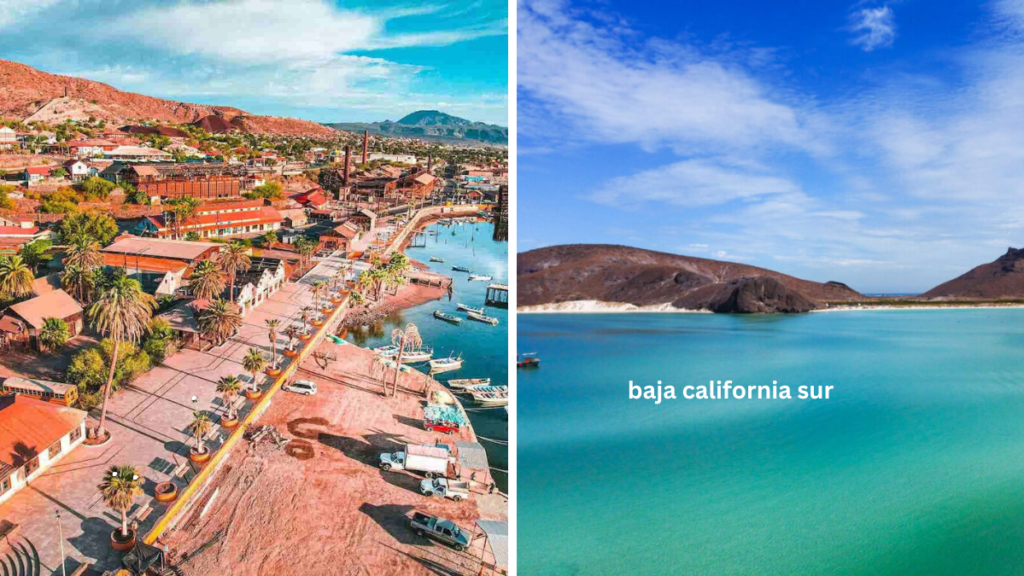
Baja California Sur is one of Mexico’s most captivating destinations, offering a remarkable blend of dramatic desert landscapes, pristine coastlines, vibrant marine ecosystems, charming towns, and world-class tourism experiences. Located on the southern half of the Baja California Peninsula, this extraordinary state attracts travelers seeking everything from luxury resorts and sport fishing to whale watching and outdoor adventure.
What makes this destination particularly special is its unique geography. Positioned between the Pacific Ocean and the Sea of Cortez, the region provides visitors with access to two distinct marine environments. This natural setting creates exceptional biodiversity and breathtaking scenery that cannot be found elsewhere in North America.
The popularity of baja california sur has grown significantly over the past several decades. Travelers from around the world visit to experience its warm climate, stunning beaches, welcoming communities, and remarkable natural beauty. Yet despite its global reputation, much of the region maintains an authentic atmosphere that reflects its rich cultural heritage and strong connection to nature.
From the bustling resort city of Los Cabos to the tranquil streets of Todos Santos and the marine wonders surrounding La Paz, every corner of the state offers something memorable. Whether visitors are interested in relaxation, adventure, photography, wildlife observation, culinary experiences, or cultural exploration, the region delivers extraordinary opportunities.
As tourism continues to evolve, the state remains committed to balancing economic growth with environmental preservation. This approach helps protect the landscapes and ecosystems that make the area so appealing while ensuring future generations can enjoy its beauty.
Geography and Natural Landscape
The geography of the region is among its most defining characteristics. The peninsula stretches hundreds of miles southward from the United States border, creating a narrow landmass surrounded by water on both sides. This distinctive location contributes to diverse ecosystems, dramatic scenery, and exceptional biodiversity.
Towering mountains rise from desert valleys, creating striking contrasts against the deep blue waters of the surrounding seas. The Sierra de la Laguna mountain range plays a particularly important role in shaping local climates and supporting wildlife habitats. These mountains provide an unexpected element within an area often associated primarily with beaches and coastal tourism.
Desert environments dominate much of the landscape, yet they are far from barren. Massive cardón cacti, unique succulents, flowering plants, and countless animal species thrive in these arid conditions. Seasonal rainfall transforms portions of the desert into surprisingly vibrant environments filled with color and life.
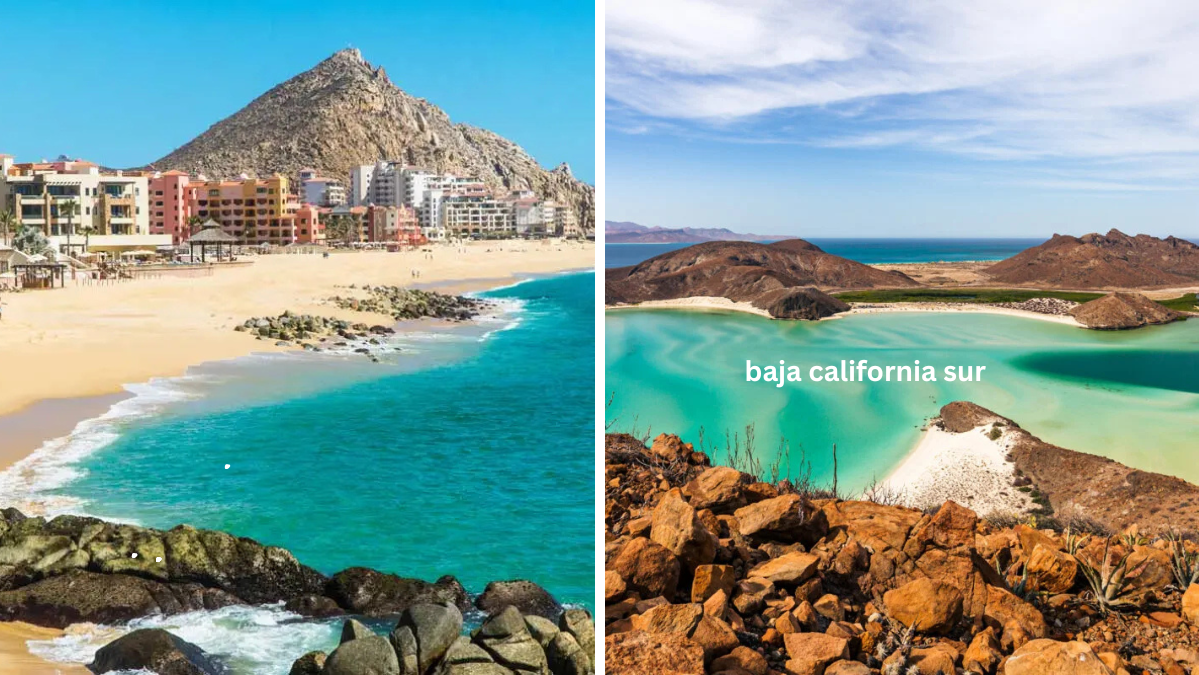
Coastal regions showcase another dimension of the state’s natural beauty. Rugged cliffs, secluded coves, white sand beaches, and crystal-clear waters create postcard-worthy scenery. Many visitors are surprised by the diversity of coastal environments, ranging from tranquil bays to powerful Pacific shorelines.
The combination of desert, mountains, and ocean makes baja california sur one of Mexico’s most visually spectacular destinations. Few places offer such dramatic environmental variety within a relatively compact geographic area.
The Rich History of the Region
Long before modern tourism arrived, indigenous peoples inhabited the peninsula for thousands of years. Groups such as the Pericú, Guaycura, and Cochimí developed unique cultures adapted to the challenging desert environment and coastal resources.
These communities relied on fishing, hunting, gathering, and extensive knowledge of local ecosystems. Archaeological evidence continues to reveal important insights into their lives, traditions, and interactions with the natural world.
European exploration began during the sixteenth century when Spanish expeditions ventured into the region. Explorers were fascinated by the peninsula’s geography but often struggled with its harsh conditions and limited freshwater resources.
Missionary activity played a significant role in shaping local history. Jesuit, Franciscan, and Dominican missions established settlements throughout the peninsula. These missions introduced new agricultural practices, architectural styles, and cultural influences that continue to impact the region today.
As centuries passed, communities developed around fishing, ranching, mining, and trade. Eventually, transportation improvements and growing international interest in coastal tourism transformed the local economy. Modern development introduced new opportunities while preserving many historical landmarks that provide valuable connections to the past.
Understanding this history enriches any visit, offering perspective on how the region evolved into the destination travelers enjoy today.
Climate and Best Times to Visit
One of the most attractive features of the region is its climate. Sunshine dominates much of the year, making it an appealing destination for travelers seeking warm weather and outdoor recreation.
Winter months are particularly popular among international visitors. Temperatures remain comfortable, skies are typically clear, and outdoor activities can be enjoyed without extreme heat. Many travelers escape colder northern climates to enjoy the region’s mild winter conditions.
Spring brings pleasant temperatures and vibrant natural scenery. Desert plants may bloom following seasonal rainfall, creating beautiful contrasts against arid landscapes. Marine life activity also increases during this period, enhancing opportunities for wildlife observation.
Summer introduces hotter temperatures, especially in inland desert areas. Coastal breezes help moderate conditions in some locations, while water-based activities become especially appealing. Visitors during this season often enjoy fewer crowds and attractive travel deals.
Autumn offers another excellent period for exploration. Ocean temperatures remain warm, tourism numbers may be lower than peak winter months, and many outdoor experiences can be enjoyed comfortably.
The favorable climate contributes significantly to the appeal of baja california sur, allowing visitors to experience beaches, hiking trails, marine activities, and cultural attractions throughout much of the year.
La Paz: The Capital City
La Paz serves as the state capital and represents one of the most charming destinations on the peninsula. Unlike some resort-focused areas, the city balances tourism with local culture, creating an authentic and welcoming atmosphere.
The waterfront promenade, known as the Malecón, is among the city’s most beloved attractions. Stretching along the shoreline, it provides spectacular views of the Sea of Cortez while serving as a gathering place for residents and visitors alike.
Colorful public art installations, restaurants, cafés, and recreational spaces line the promenade. Walking along the waterfront at sunset is often considered one of the most enjoyable experiences in the city.
La Paz is also renowned for its marine environment. Nearby waters host incredible biodiversity, including whale sharks, sea lions, dolphins, rays, and countless fish species. These natural resources have helped establish the city as a leading destination for eco-tourism and marine conservation.
The relaxed pace of life distinguishes La Paz from more heavily developed resort areas. Visitors often appreciate the opportunity to experience local culture while still enjoying excellent accommodations, dining, and recreational opportunities.
The city’s combination of natural beauty, cultural richness, and environmental stewardship makes it one of the most rewarding destinations within the region.
Los Cabos and International Tourism
Los Cabos represents one of Mexico’s most recognized tourism destinations. Located at the southern tip of the peninsula, it includes the communities of Cabo San Lucas and San José del Cabo, connected by a scenic tourist corridor.
Cabo San Lucas is famous for its energetic atmosphere, luxury resorts, nightlife, and iconic rock formations. The Arch of Cabo San Lucas stands as one of the area’s most photographed landmarks, attracting visitors from around the world.
San José del Cabo offers a different experience. The historic town center features colonial architecture, art galleries, cultural events, and a more relaxed ambiance. Many travelers appreciate the contrast between the two communities.
Tourism infrastructure throughout the area continues to evolve. Luxury hotels, championship golf courses, fine dining establishments, marinas, and adventure tour operators contribute to a world-class visitor experience.
The success of Los Cabos has helped elevate the global profile of baja california sur, positioning the state among North America’s premier travel destinations.
Despite extensive development, efforts continue to preserve natural environments and promote sustainable tourism practices that protect the region’s long-term appeal.
Marine Life and Biodiversity
The waters surrounding the peninsula are among the most biologically rich marine environments on Earth. Marine scientists, conservationists, and nature enthusiasts frequently praise the extraordinary diversity found throughout the region.
The Sea of Cortez, often referred to as the “Aquarium of the World,” supports thousands of marine species. Its productivity creates ideal conditions for whales, dolphins, sea turtles, rays, sharks, and countless fish populations.
Seasonal whale migrations represent one of the area’s most spectacular natural events. Gray whales, humpback whales, blue whales, and other species visit regional waters each year, creating unforgettable wildlife viewing opportunities.
Coral communities, rocky reefs, mangrove ecosystems, and open-water habitats contribute to this remarkable biodiversity. Snorkeling and diving enthusiasts often describe local underwater experiences as among the best available anywhere in the world.
Conservation efforts play an increasingly important role in protecting these ecosystems. Marine protected areas, sustainable tourism initiatives, and scientific research programs help preserve the natural resources that define the region.
The extraordinary marine environment remains one of the strongest reasons travelers continue choosing this destination year after year.
Spectacular Beaches and Coastal Attractions
The coastline is undoubtedly one of the biggest reasons travelers fall in love with the region. With hundreds of miles of shoreline stretching along both the Pacific Ocean and the Sea of Cortez, visitors can experience a remarkable variety of beach environments. Some beaches feature calm turquoise waters ideal for swimming and snorkeling, while others showcase dramatic waves and rugged coastal scenery.
One of the most famous beaches near La Paz is Balandra Beach. Often ranked among the most beautiful beaches in Mexico, Balandra is known for its shallow crystal-clear waters, soft white sand, and iconic mushroom-shaped rock formation. The natural beauty of this protected area creates a peaceful atmosphere that feels far removed from crowded tourist destinations.
Playa El Tecolote is another favorite destination. Located near Balandra, it offers stunning views, water sports opportunities, and local restaurants serving fresh seafood. The calm waters make it suitable for families, kayakers, paddleboarders, and anyone seeking a relaxing day by the sea.
On the Pacific side, visitors encounter a completely different coastal experience. Stronger waves, dramatic cliffs, and expansive sandy beaches create impressive scenery. While some Pacific beaches are suitable for walking and photography rather than swimming, they provide unforgettable sunset views and opportunities to witness the power of the ocean.
The diversity of beaches throughout Baja California Sur ensures that every traveler can find a coastal environment that matches their interests, whether they prefer adventure, relaxation, photography, or wildlife observation.
Whale Watching and Marine Encounters
Whale watching represents one of the most extraordinary experiences available in the region. Every year, several whale species migrate through local waters, creating opportunities for close encounters that attract visitors from around the globe.
Gray whales are among the most famous seasonal visitors. These magnificent animals travel thousands of miles from Arctic feeding grounds to protected lagoons along the peninsula’s Pacific coast. In some locations, gray whales demonstrate remarkable curiosity toward humans, occasionally approaching boats and interacting with passengers.
Humpback whales are another highlight of the whale-watching season. Known for their acrobatic breaches and haunting songs, humpbacks provide unforgettable wildlife viewing opportunities. Observing a massive whale launch itself from the water is an experience many travelers remember for a lifetime.
Blue whales, the largest animals ever known to exist, can also be found in regional waters during certain seasons. Seeing these enormous creatures in their natural habitat offers a profound reminder of the scale and wonder of the natural world.
Beyond whales, visitors frequently encounter dolphins, sea lions, whale sharks, sea turtles, and countless fish species. The marine environment supports an incredible variety of wildlife, making every boat excursion unique.
A local guide once summarized the experience perfectly: “The ocean here never tells the same story twice. Every trip reveals something new.”
Adventure Tourism and Outdoor Activities
Adventure seekers find no shortage of exciting opportunities throughout the state. The combination of mountains, deserts, and oceans creates ideal conditions for a wide range of outdoor activities.
Sport fishing has long been one of the area’s most popular attractions. Anglers travel from around the world hoping to catch marlin, dorado, tuna, roosterfish, and other prized species. International fishing tournaments further enhance the region’s reputation as a premier fishing destination.
Scuba diving and snorkeling provide access to extraordinary underwater ecosystems. Colorful fish, coral formations, sea lions, rays, and whale sharks create unforgettable diving experiences. Many marine enthusiasts consider local waters among the best dive destinations in the world.
Hiking opportunities are equally impressive. Mountain trails, desert routes, and coastal paths allow visitors to explore diverse landscapes while enjoying breathtaking views. The Sierra de la Laguna Biosphere Reserve offers particularly rewarding hiking experiences.
Off-road adventures, mountain biking, surfing, kayaking, stand-up paddleboarding, and sailing further expand recreational possibilities. Regardless of experience level, outdoor enthusiasts can find activities suited to their interests.
The adventurous spirit that defines Baja California Sur continues attracting travelers seeking authentic experiences beyond traditional resort vacations.
Culture and Local Traditions
While natural beauty often receives the most attention, the cultural heritage of the region is equally fascinating. Communities throughout the state maintain traditions that reflect centuries of history and diverse influences.
Local festivals provide opportunities to celebrate music, dance, food, religion, and community identity. These events often bring together residents and visitors in ways that create meaningful cultural connections.
Art also plays an important role in local life. Galleries, artisan markets, public murals, and cultural centers showcase both traditional and contemporary creative expression. Towns such as Todos Santos have become especially well known for vibrant artistic communities.
Music remains deeply woven into regional culture. Traditional Mexican styles blend with contemporary influences, creating dynamic cultural experiences throughout the year. Live performances can often be enjoyed in public squares, restaurants, festivals, and community events.
Hospitality is another defining characteristic of local culture. Visitors frequently comment on the warmth and friendliness of residents, who take pride in sharing their traditions and communities with travelers.
These cultural experiences add depth to any journey and help distinguish the destination from purely resort-oriented locations.
The Culinary Scene
Food lovers discover an impressive culinary landscape shaped by geography, history, and local ingredients. Fresh seafood serves as a cornerstone of regional cuisine, reflecting the area’s close relationship with the ocean.
Fish tacos are perhaps the most iconic local dish. Simple yet delicious, they typically feature freshly caught fish accompanied by vegetables, sauces, and handmade tortillas. Many visitors consider them essential to the regional dining experience.
Shrimp, lobster, clams, scallops, octopus, and other seafood specialties appear on menus throughout the state. Chefs often combine traditional Mexican techniques with contemporary culinary innovations to create memorable dining experiences.
Agricultural products from local farms contribute additional flavors. Fresh fruits, vegetables, herbs, and organic ingredients support a growing farm-to-table movement that emphasizes sustainability and quality.
Fine dining establishments in Los Cabos have gained international recognition, while smaller towns offer authentic family-owned restaurants serving regional favorites. This combination of luxury dining and traditional cuisine provides something for every palate.
As one local chef remarked, “Our ingredients tell the story of the desert and the sea.” That philosophy captures the essence of the region’s culinary identity.
Charming Towns Beyond the Resorts
Although major destinations receive significant attention, smaller communities often provide some of the most memorable experiences.
Todos Santos stands out as one of the peninsula’s most beloved towns. Designated as a Pueblo Mágico, it combines colonial architecture, artistic culture, boutique accommodations, and beautiful nearby beaches. Visitors appreciate its relaxed atmosphere and creative spirit.
Loreto offers another distinctive experience. As one of the oldest settlements in the region, it possesses significant historical importance. The town serves as a gateway to stunning islands, marine parks, and outdoor adventures.
Mulegé, Santiago, and other smaller communities reveal additional dimensions of regional life. These towns often feature traditional architecture, local festivals, historic churches, and opportunities to interact with residents.
Exploring beyond major tourism centers allows travelers to gain a deeper appreciation for the diversity and authenticity of the region. Many visitors discover that these lesser-known destinations become highlights of their journeys.
The balance between internationally recognized attractions and charming local communities contributes significantly to the appeal of Baja California Sur.
Travel Information Table
| Destination | Main Attraction | Best Activity | Ideal Visitor Type |
|---|---|---|---|
| La Paz | Sea of Cortez | Whale shark tours | Nature lovers |
| Cabo San Lucas | The Arch | Boat excursions | Resort travelers |
| San José del Cabo | Historic district | Art walks | Culture enthusiasts |
| Todos Santos | Artistic community | Exploring galleries | Creative travelers |
| Loreto | Marine parks | Island tours | Adventure seekers |
| Balandra Beach | Crystal-clear waters | Swimming & kayaking | Families |
| El Tecolote | Coastal recreation | Water sports | Active travelers |
| Sierra de la Laguna | Mountain landscapes | Hiking | Outdoor enthusiasts |
Sustainable Tourism and Conservation
Sustainability has become increasingly important as tourism continues growing throughout the state. Local communities, businesses, conservation organizations, and government agencies recognize the importance of protecting natural resources.
Marine protected areas help preserve critical habitats and biodiversity. These protected zones support wildlife populations while ensuring future generations can continue enjoying healthy ecosystems.
Eco-tourism initiatives encourage responsible travel practices that minimize environmental impact. Activities such as wildlife observation, guided nature tours, and conservation-focused experiences allow visitors to connect with nature while supporting preservation efforts.
Many hotels and resorts have adopted sustainable practices involving water conservation, renewable energy, waste reduction, and community engagement. These initiatives contribute to long-term environmental and economic health.
Responsible tourism benefits everyone. Visitors enjoy pristine landscapes, local communities receive economic opportunities, and natural ecosystems remain protected.
The commitment to sustainability helps ensure that the extraordinary beauty of the region continues inspiring travelers for decades to come.
Accommodations for Every Type of Traveler
One of the reasons travelers continue returning to the region is the impressive variety of accommodations available. Whether visitors seek luxury resorts, boutique hotels, eco-lodges, vacation rentals, or budget-friendly options, the state offers choices for virtually every travel style and budget.
Luxury resorts are especially prominent in Los Cabos, where world-class hospitality has become a defining feature of the tourism industry. Many properties provide private beaches, spa facilities, championship golf courses, fine dining experiences, and breathtaking ocean views. These resorts attract travelers seeking comfort, exclusivity, and personalized service.
Boutique hotels offer a different type of experience. Found in destinations such as Todos Santos, La Paz, and San José del Cabo, these properties often emphasize local culture, architecture, and personalized hospitality. Guests frequently enjoy unique designs, intimate settings, and stronger connections to local communities.
Eco-lodges and sustainable accommodations continue growing in popularity. These properties focus on environmental responsibility while allowing visitors to experience natural surroundings in meaningful ways. For travelers seeking authenticity and environmental awareness, they provide compelling alternatives to traditional resort experiences.
The diversity of accommodations contributes significantly to the broad appeal of the region and ensures that every visitor can find a comfortable place to stay.
Transportation and Getting Around
Accessibility has improved dramatically over the years, making travel throughout the peninsula more convenient than ever before. International airports in Los Cabos and La Paz connect the region to major cities across North America and beyond.
Road travel remains one of the best ways to explore. The Transpeninsular Highway stretches the length of the peninsula, connecting communities and providing access to some of the area’s most beautiful scenery. Many visitors choose rental cars to maximize flexibility and explore lesser-known destinations.
Public transportation options include buses and shuttle services connecting major towns and tourist centers. While these services may not provide the same freedom as private transportation, they offer affordable alternatives for many travelers.
Boat transportation also plays an important role in certain areas. Island excursions, fishing charters, whale-watching tours, and marine adventures frequently rely on water transportation to access unique destinations.
The transportation network continues evolving to accommodate growing tourism while maintaining accessibility for residents and businesses.
Real Estate and Economic Growth
In recent years, the region has experienced substantial economic growth driven largely by tourism, real estate development, and international investment. This growth has transformed many communities while creating new opportunities for residents and entrepreneurs.
Real estate markets have attracted attention from retirees, investors, digital professionals, and second-home buyers seeking desirable coastal lifestyles. Oceanfront properties, luxury developments, and residential communities continue expanding in several areas.
The growth of the hospitality sector has generated employment opportunities across numerous industries, including construction, transportation, tourism services, food production, and environmental management.
Despite rapid development, many communities remain focused on maintaining local character and preserving environmental resources. Balancing growth with sustainability remains one of the region’s most important priorities.
Economic diversification is also increasing. While tourism remains the dominant industry, sectors such as renewable energy, technology, agriculture, and marine research contribute to long-term economic resilience.
The success of baja california sur demonstrates how natural beauty, strategic planning, and international interest can support sustainable regional development.
Hidden Gems Worth Discovering
Beyond the well-known attractions lies a collection of lesser-known destinations that reward curious travelers. These hidden gems often provide some of the most authentic and memorable experiences available.
Remote beaches accessible only by dirt roads or boat offer tranquility rarely found in more developed tourist areas. Visitors willing to venture beyond popular routes frequently discover pristine coastlines with few crowds and exceptional natural beauty.
Small fishing villages provide glimpses into traditional coastal life. These communities often feature welcoming residents, fresh seafood, and slower-paced lifestyles that contrast with larger tourism centers.
Natural hot springs, desert oases, hidden waterfalls, and secluded mountain trails reveal surprising dimensions of the landscape. Many travelers are amazed by the diversity that exists beyond the famous beaches and resorts.
Wildlife enthusiasts may encounter unique species in protected habitats that receive relatively little attention from mainstream tourism. These experiences often create lasting memories because they feel personal and unexpected.
Exploring hidden destinations encourages deeper appreciation for the richness and complexity of the region.
Practical Travel Tips
Preparation can significantly enhance any journey. Understanding local conditions and travel expectations helps visitors enjoy smoother and more rewarding experiences.
Sun protection should remain a top priority. Strong sunlight is common throughout much of the year, making sunscreen, hats, sunglasses, and hydration essential for comfort and safety.
Visitors should also respect marine environments and wildlife. Responsible behavior helps protect sensitive ecosystems while ensuring positive experiences for both humans and animals.
Learning a few basic Spanish phrases can improve interactions and demonstrate respect for local culture. Although English is widely spoken in major tourism areas, many residents appreciate efforts to communicate in Spanish.
Travel insurance, advance reservations during peak seasons, and awareness of local regulations further contribute to successful trips.
Most importantly, travelers should allow time for spontaneous discoveries. Some of the best experiences occur unexpectedly while exploring local communities, scenic roads, and natural attractions.
Why Travelers Continue Returning
Many destinations impress visitors once. Few inspire repeated visits year after year. Yet countless travelers develop lasting relationships with this remarkable part of Mexico.
Part of the appeal lies in its diversity. A single trip may include whale watching, desert hiking, fine dining, cultural exploration, snorkeling, beach relaxation, and mountain adventures. Few destinations offer such variety within a single region.
Another factor is the emotional connection many visitors develop with the landscape. The combination of desert mountains, turquoise waters, and expansive skies creates a sense of space and tranquility that feels increasingly rare in the modern world.
The people also leave lasting impressions. Warm hospitality, strong community values, and genuine friendliness contribute to memorable travel experiences that extend beyond sightseeing.
As one longtime visitor observed, “You come for the beaches, but you return for everything else.”
That sentiment captures the enduring appeal of the destination and helps explain why so many travelers consider it one of their favorite places on Earth.
Conclusion
Baja California Sur stands as one of Mexico’s most extraordinary destinations, combining natural beauty, cultural richness, outdoor adventure, and world-class tourism experiences into a truly unforgettable travel experience.
From the vibrant waterfront of La Paz and the luxury resorts of Los Cabos to the artistic charm of Todos Santos and the historical significance of Loreto, the region offers remarkable diversity. Its unique geography places desert landscapes beside pristine coastlines, creating scenery that is both dramatic and inspiring.
Marine biodiversity, whale migrations, stunning beaches, mountain adventures, and authentic cultural experiences ensure that visitors always find something meaningful to explore. At the same time, growing commitments to sustainability and conservation help protect the resources that make the area so special.
Whether travelers seek relaxation, wildlife encounters, outdoor recreation, culinary discoveries, or cultural immersion, Baja California Sur delivers experiences that exceed expectations. Its blend of natural wonders and human hospitality creates lasting memories that encourage visitors to return again and again.
For anyone searching for a destination that combines beauty, adventure, authenticity, and inspiration, few places can rival the magic of this remarkable corner of Mexico.
FAQ
What is Baja California Sur known for?
Baja California Sur is known for its stunning beaches, whale watching opportunities, luxury resorts, marine biodiversity, fishing, outdoor adventures, and picturesque coastal towns. It is one of Mexico’s premier travel destinations.
When is the best time to visit Baja California Sur?
The best time to visit is generally between late fall and spring when temperatures are comfortable and outdoor activities can be enjoyed with pleasant weather. Whale-watching season is particularly popular during winter months.
Is Baja California Sur safe for tourists?
Most tourist destinations within the state are considered safe for visitors. Travelers should follow standard safety precautions, remain aware of local conditions, and respect regional guidelines.
What are the top attractions in Baja California Sur?
Popular attractions include Balandra Beach, the Arch of Cabo San Lucas, the Malecón in La Paz, whale-watching lagoons, Todos Santos, Loreto Bay National Park, and the Sierra de la Laguna mountains.
Can you swim in the beaches of Baja California Sur?
Many beaches offer excellent swimming conditions, particularly along the Sea of Cortez. However, some Pacific beaches have strong currents and may not be suitable for swimming. Visitors should always follow local safety recommendations.
What wildlife can be seen in Baja California Sur?
The region is home to whales, dolphins, sea lions, whale sharks, sea turtles, rays, tropical fish, birds, and numerous desert species. Marine wildlife viewing is among the area’s greatest attractions.
How many days should I spend in Baja California Sur?
Many travelers spend between one and two weeks exploring the region. This allows enough time to experience major destinations, beaches, cultural attractions, outdoor activities, and wildlife encounters.
Why is Baja California Sur considered unique?
Its combination of desert landscapes, mountain ranges, pristine coastlines, extraordinary marine biodiversity, rich cultural heritage, and year-round outdoor recreation makes Baja California Sur one of the most unique destinations in North America.