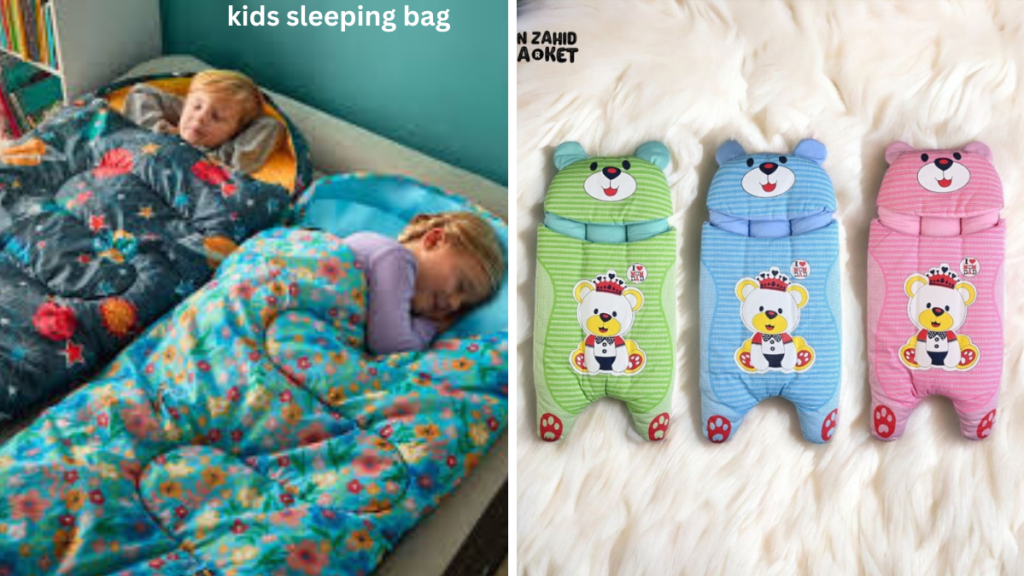
A great sleeping setup can turn an ordinary night into a memorable experience for children. Whether the destination is a backyard campout, a family camping trip, a sleepover with friends, or simply an indoor adventure at home, choosing the right kids sleeping bag plays an important role in comfort, warmth, and overall sleep quality.
Children experience sleep differently than adults. They move more, respond differently to temperature changes, and often associate comfort with familiarity and security. That means selecting sleeping gear requires more thought than simply choosing a smaller version of adult equipment.
Parents often focus on appearance first because colorful designs and themed styles naturally attract attention. While visual appeal matters, practical considerations such as insulation, fabric quality, durability, portability, and ease of cleaning are equally important.
Modern sleeping bags for children are designed with a wide range of situations in mind. Some prioritize outdoor performance and weather protection, while others emphasize softness and indoor comfort. The growing market offers options for toddlers, school-age children, and older kids who enjoy outdoor activities.
A thoughtfully selected sleeping bag can encourage independence, improve sleep experiences away from home, and make outdoor adventures more enjoyable.
This guide explores everything parents need to know—from features and materials to comfort, maintenance, travel use, and long-term value.
Why Sleep Comfort Matters for Children
Sleep supports nearly every aspect of childhood development.
Children depend on quality rest for physical growth, emotional regulation, learning ability, memory development, and energy recovery. Comfortable sleep environments can influence how well children adapt to unfamiliar situations.
Outdoor adventures and overnight stays often introduce changes in temperature, surroundings, and routine.
A supportive sleep environment helps reduce discomfort and encourages better rest.
Children who feel secure and comfortable are often more willing to participate in travel experiences and outdoor activities.
The right sleeping setup creates positive associations with exploration and independence.
Parents frequently discover that comfortable sleeping gear becomes one of the most-used travel items.
Good sleep supports better experiences overall.
Understanding What Makes a Good Sleeping Bag
Not all sleeping bags are created equally.
Several features contribute to overall performance and comfort.
Size affects warmth retention and movement.
Insulation influences temperature management.
Outer materials affect durability and weather resistance.
Interior lining impacts softness and sleep quality.
A well-designed kids sleeping bag should balance comfort with practicality.
Too much empty space can reduce warmth.
Too little space may feel restrictive.
The ideal design allows movement while maintaining insulation.
Modern sleeping bags frequently include thoughtful details such as easy zippers, anti-snag systems, soft collars, and lightweight construction.
These features improve usability and encourage children to use them independently.
Parents should focus on function first and appearance second.
The best products combine both.
Types of Sleeping Bags for Children
Different situations call for different sleeping styles.
Understanding the main categories makes selection easier.
| Type | Best Use | Main Advantage |
|---|---|---|
| Rectangular | Indoor use, sleepovers | Spacious and comfortable |
| Mummy Style | Outdoor camping | Better heat retention |
| Hybrid Shape | Mixed use | Balance of comfort and warmth |
| Wearable Style | Younger children | Easier movement |
| Convertible | Travel and flexible use | Multiple configurations |
Rectangular models remain popular because they feel familiar and roomy.
Mummy styles reduce heat loss and perform well outdoors.
Convertible designs appeal to families seeking versatility.
Each style serves different needs.
Matching the design to intended use often improves satisfaction.
Materials and Fabric Choices
Materials influence comfort more than many parents realize.
Soft interior fabrics help children relax and settle more quickly.
Common interior materials include brushed polyester, fleece, cotton blends, and microfiber.
Exterior materials prioritize durability and resistance to wear.
Synthetic fabrics remain popular because they dry quickly and resist moisture.
Insulation choices also matter.
Synthetic insulation generally performs well in changing conditions and remains easy to maintain.
Children often prioritize softness while parents prioritize practicality.
The best options satisfy both.
Material quality can significantly influence long-term durability.
Choosing durable fabrics often saves money over time.
Choosing the Right Size
Size selection is one of the most overlooked factors.
Parents sometimes purchase oversized products hoping children will grow into them.
However, oversized sleeping bags can reduce warmth and create discomfort.
Proper sizing supports better temperature regulation.
Children should have enough space to shift comfortably without excessive empty areas.
Manufacturers frequently provide recommended height ranges.
Checking measurements helps avoid unnecessary returns.
Older children may prefer slightly larger models for flexibility.
Younger children often benefit from more fitted designs.
Comfort improves when size matches intended use.
A properly fitted sleeping bag feels secure and cozy.
Temperature Ratings Explained
Temperature ratings can appear confusing.
These ratings provide general guidance rather than guarantees.
Children may respond differently to environmental conditions.
Outdoor conditions also vary considerably.
Most family-focused sleeping bags emphasize mild to moderate temperatures.
Indoor models prioritize softness rather than insulation.
Parents should consider sleeping clothes, sleeping pads, humidity, and wind conditions.
Layering can improve adaptability.
Choosing slightly warmer options often provides flexibility.
Understanding temperature guidance reduces disappointment.
Comfort usually depends on combined factors rather than ratings alone.
Creating Positive Sleep Experiences
Equipment affects more than comfort.
Children often remember experiences based on how comfortable they felt.
A cozy sleeping setup can transform overnight trips.
Simple traditions such as reading, soft lighting, and familiar blankets may improve adjustment.
Children frequently develop emotional connections to travel gear.
Their sleeping bag becomes part of adventure and routine.
This sense of ownership supports confidence.
Parents often notice smoother transitions during trips.
Positive early experiences may encourage future interest in travel and outdoor recreation.
Comfort builds confidence.
Confidence encourages exploration.
Style, Colors, and Personal Preference
Design matters.
Children are more likely to enjoy using gear they selected themselves.
Bright colors, playful themes, animals, stars, and outdoor-inspired designs remain popular.
However, style should complement quality.
Children quickly outgrow visual trends.
Neutral colors sometimes offer longer usability.
Allowing children limited involvement in selection can increase excitement.
Feeling included often improves cooperation.
Personal preference influences satisfaction more than many parents expect.
The most successful choices combine appearance with practicality.
Portability and Storage
Travel convenience matters.
Heavy or bulky products become difficult to carry and store.
Modern sleeping bags often include compression sacks and carrying cases.
Lightweight designs simplify transportation.
Compact storage benefits families with limited space.
Easy packing encourages more frequent use.
Children also enjoy carrying their own gear.
Portability supports independence.
Small details often influence overall convenience more than expected.
Storage solutions should remain simple.
Indoor Uses Beyond Camping
Many families purchase sleeping bags primarily for indoor use.
Sleepovers, movie nights, reading corners, and play spaces create opportunities for year-round use.
Indoor sleeping bags emphasize softness and flexibility.
Children often use them creatively.
They become forts, reading spaces, pretend campsites, and relaxation zones.
This versatility improves long-term value.
Multi-purpose products often receive more consistent use.
Indoor comfort can matter just as much as outdoor performance.
A sleeping bag that works in multiple environments often becomes a family favorite.
Features That Make a Sleeping Bag Easier for Kids to Use
Comfort is only one part of the experience.
Practical design features can make a major difference in how often children actually use their sleeping gear and how independently they manage it.
One of the most appreciated features is a zipper system that moves smoothly without catching fabric. Children often become frustrated with difficult zippers, especially when they are tired or trying to settle down independently.
Anti-snag zipper construction reduces frustration and extends product life.
Double-sided zipper pulls can also improve usability.
Another helpful detail is adjustable ventilation.
Some sleeping bags allow partial opening around the feet or sides, helping children stay comfortable across changing temperatures.
Interior pockets are becoming more common.
These small storage areas allow children to keep flashlights, books, or small comfort items nearby.
Tiny details often become surprisingly valuable.
Soft interior collars and padded zipper guards can further improve sleep quality.
Thoughtful design encourages repeated use.
Cleaning and Long-Term Maintenance
Children’s products experience heavy use.
Food spills, dirt, outdoor dust, and general wear are normal.
Easy maintenance should always remain part of the buying decision.
Most family-focused sleeping bags use machine-washable materials.
However, checking care instructions remains important.
Improper washing may reduce insulation performance or damage fabric texture.
Gentle cycles and mild detergents usually preserve quality.
Drying methods also matter.
Complete drying prevents odor and protects insulation performance.
Storage habits influence longevity as well.
Avoid storing tightly compressed for long periods.
Allowing materials to remain relaxed between uses helps maintain comfort.
Simple care routines often extend product life significantly.
Sleeping Pads and Why They Matter
Many parents focus entirely on the sleeping bag while overlooking the sleeping surface.
Comfort depends heavily on both.
Sleeping pads create insulation and reduce pressure from uneven ground.
They improve warmth by preventing heat transfer.
Indoor situations may not require additional support.
Outdoor environments usually benefit considerably.
Foam pads remain popular because they are lightweight and reliable.
Inflatable pads prioritize comfort and portability.
The combination of a supportive pad and a quality kids sleeping bag creates a noticeably better sleeping experience.
Children often sleep more deeply when properly insulated underneath.
Support matters as much as softness.
A balanced setup creates better results.
Outdoor Adventures and Family Memories
Camping introduces children to entirely different experiences.
Fresh air, changing weather, quiet evenings, and simple routines create memorable moments.
Comfortable sleeping arrangements support those experiences.
Children who sleep well outdoors tend to enjoy outdoor activities more consistently.
Good sleep influences mood, energy, and enthusiasm.
Parents often discover that preparation matters more than expensive gear.
Comfortable clothing, familiar routines, and reliable sleep systems create stronger experiences.
A sleeping bag becomes part of those memories.
Years later, children often remember how adventures felt more than specific destinations.
Comfort contributes directly to those positive impressions.
Safety Considerations for Parents
Safety should always guide buying decisions.
Products designed specifically for children typically include age-appropriate features.
Loose cords, difficult closures, and overheating concerns should receive attention.
Parents should monitor temperature conditions carefully.
Excessive warmth can be uncomfortable.
Insufficient insulation can reduce sleep quality.
Age recommendations help guide selection.
Younger children may benefit from simpler designs with easier entry and exit.
Outdoor environments require additional awareness.
Dry sleeping areas and proper clothing improve comfort and safety.
Practical preparation creates better experiences overall.
Thoughtful choices support enjoyable adventures.
Travel and Sleepovers
Travel often changes children’s routines.
Hotels, relatives’ homes, and overnight visits may feel unfamiliar.
Bringing familiar sleeping gear can reduce stress.
A sleeping bag creates continuity.
Children associate familiar textures and routines with comfort.
That consistency can improve sleep quality.
Portable sleeping solutions also simplify packing.
Families appreciate gear that works across multiple situations.
Versatility increases value.
Sleepovers become easier.
Road trips feel more organized.
Children gain confidence through familiarity.
Reliable sleep products support smoother transitions.
Seasonal Considerations
Different seasons create different requirements.
Summer conditions prioritize breathability and ventilation.
Cooler conditions require additional insulation.
Multi-season options remain popular because they increase usability.
Parents should avoid assuming all sleeping bags perform equally year-round.
Fabric weight, insulation type, and interior lining influence seasonal performance.
Layering often improves flexibility.
Simple blankets can expand comfort ranges.
Children’s preferences may also vary.
Some sleep warmer than others.
Paying attention to real-world comfort usually matters more than marketing labels.
Adaptability often provides the greatest long-term value.
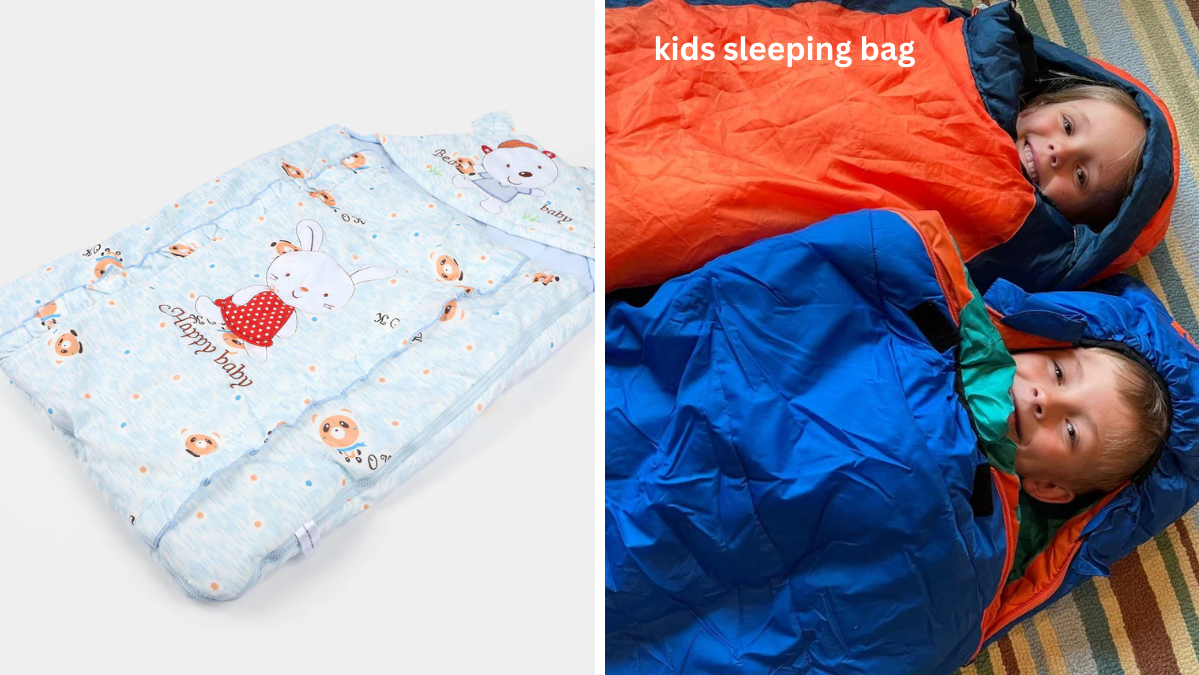
Encouraging Independence Through Simple Routines
Sleep preparation can become an opportunity to build independence.
Children enjoy learning practical skills.
Packing, unrolling, organizing, and storing sleeping gear encourages responsibility.
Parents often notice increased confidence when children manage their own travel equipment.
Small responsibilities create positive habits.
Simple routines reduce stress during trips.
Children appreciate predictability.
Ownership encourages enthusiasm.
These experiences extend beyond sleeping arrangements.
They support broader development and confidence-building.
A familiar sleeping setup often becomes part of growing independence.
Value Versus Price
Higher prices do not automatically guarantee better experiences.
Value depends on quality, comfort, durability, and actual use.
Many mid-range options perform exceptionally well.
Parents benefit from focusing on features rather than branding alone.
Long-term value comes from repeated use.
A sleeping bag used across years of trips, sleepovers, and family activities often becomes an excellent investment.
Practicality frequently outperforms novelty.
Choosing reliable materials and thoughtful design supports satisfaction.
Good products earn their value through performance.
Families often appreciate simplicity more than unnecessary extras.
Creating Lasting Sleep Traditions
Children remember routines.
Special sleeping experiences often become traditions.
Backyard camping nights, holiday gatherings, reading evenings, and family trips create lasting memories.
Comfort helps establish those traditions.
Sleep becomes associated with fun rather than inconvenience.
Parents frequently discover that familiar sleeping gear encourages participation.
Children look forward to experiences they associate with comfort.
Simple traditions often create the strongest memories.
The right setup supports those moments naturally.
Comfort and connection frequently matter more than complexity.
Building Better Sleep Habits During Travel and Adventure
Children thrive on routines.
Even when environments change, familiar habits create stability and help children settle more comfortably. One of the easiest ways to support healthy sleep during trips is maintaining recognizable bedtime patterns.
Simple activities such as changing into sleep clothes, reading together, dimming lights, and using familiar sleeping gear can improve adjustment.
A sleeping bag becomes more than equipment.
It acts as a signal that sleep time has started.
Children often respond positively to predictable routines because they reduce uncertainty.
Travel does not have to disrupt rest.
Comfort and consistency work together to create smoother evenings.
Families who prioritize sleep routines frequently report better overall travel experiences.
Energy levels improve.
Moods remain more balanced.
Children adapt more easily to changing environments.
Common Mistakes Parents Make When Buying Sleeping Gear
Many buying decisions are influenced by appearance alone.
While colorful themes and playful designs attract children, they should not outweigh practical considerations.
One common mistake is choosing oversized products.
Parents sometimes expect children to grow into them, but excessive space can reduce warmth and comfort.
Another frequent mistake is ignoring intended use.
Indoor sleepovers and outdoor camping require different performance characteristics.
Cleaning requirements are also often overlooked.
Complicated maintenance routines reduce long-term convenience.
Parents may also underestimate portability.
Bulky products become difficult to transport and store.
The most successful choices usually prioritize function first.
Good design naturally supports appearance and enjoyment.
Practical decisions often create better long-term satisfaction.
Choosing for Different Age Groups
Children’s sleep needs change over time.
Toddlers generally benefit from soft materials, simple closures, and smaller dimensions.
School-age children often appreciate colorful styles combined with growing independence.
Older children usually value comfort, portability, and more mature designs.
Age influences sleeping behavior.
Younger children move differently and may require more familiar textures.
Older children often prioritize flexibility and adventure readiness.
Selecting age-appropriate features improves usability.
Children feel more comfortable when products match their developmental stage.
The right approach evolves naturally over time.
Adapting choices supports continued enjoyment.
Sustainability and Thoughtful Purchasing
Many families are becoming more intentional about purchasing decisions.
Durable products reduce replacement frequency.
Long-lasting construction often provides better overall value.
Some sleeping products now incorporate recycled materials and more efficient manufacturing practices.
Sustainability does not require sacrificing comfort.
Well-made products often perform better and last longer.
Parents increasingly evaluate quality, longevity, and versatility before purchasing.
This mindset encourages smarter spending.
Multi-use products reduce waste and improve long-term satisfaction.
Thoughtful choices support both practical and environmental goals.
Why Comfort Shapes Adventure
Children experience adventure differently from adults.
Excitement and discomfort often coexist.
When basic needs such as warmth and rest are supported, adventures become more enjoyable.
A comfortable kids sleeping bag contributes directly to that experience.
Good sleep improves mood, resilience, and enthusiasm.
Children who feel rested are often more willing to participate in activities.
Positive experiences encourage future participation.
Families frequently discover that comfort influences memories more than destinations.
Simple preparation creates meaningful results.
Reliable sleeping gear supports those experiences naturally.
Creating Meaningful Family Experiences
Some of the best childhood memories begin with simple moments.
Backyard campouts.
Movie nights.
Weekend trips.
Holiday visits.
Sleepovers with friends.
These experiences often become traditions.
Comfortable sleeping arrangements support those moments without becoming the center of attention.
Children remember how experiences felt.
Warmth, security, and excitement shape lasting impressions.
Parents often discover that familiar travel gear becomes emotionally meaningful.
Over time, sleeping bags may represent adventure itself.
Small experiences frequently become cherished memories.
Comfort creates space for those moments to happen.
Conclusion
Choosing the right sleeping setup involves much more than selecting colors or patterns. A thoughtfully selected kids sleeping bag supports comfort, confidence, independence, and memorable experiences across many different environments.
From camping adventures and sleepovers to indoor relaxation and family travel, quality sleeping gear plays an important role in helping children feel secure and rested. Features such as proper sizing, durable materials, manageable weight, easy maintenance, and age-appropriate design all contribute to long-term satisfaction.
Parents often discover that practical decisions lead to better outcomes than trendy choices alone.
Comfort influences mood.
Good sleep improves experiences.
Reliable equipment encourages exploration.
Most importantly, great sleeping experiences create positive memories.
A sleeping bag becomes more than an accessory.
It becomes part of childhood adventures and family traditions.
Thoughtful choices today often support years of meaningful experiences ahead.
FAQ
What size should a child’s sleeping bag be?
A sleeping bag should provide enough room for movement without creating excessive empty space. Proper sizing improves warmth retention and overall comfort.
Can children use adult sleeping bags?
Children can use adult products in some situations, but appropriately sized options generally provide better comfort and temperature management.
Is a kids sleeping bag suitable for indoor use?
Yes. Many families use sleeping bags for sleepovers, movie nights, reading spaces, and indoor camping activities throughout the year.
What material is best for children?
Soft interior fabrics combined with durable outer materials often create the best balance of comfort and practicality. Machine-washable options are especially convenient.
How often should sleeping bags be cleaned?
Cleaning frequency depends on use. Outdoor trips may require more frequent washing, while occasional indoor use generally needs lighter maintenance.
Are sleeping bags safe for younger children?
Products designed specifically for children are generally safer because they consider size, comfort, and ease of use. Following age recommendations is important.
How can parents improve sleep during camping trips?
Maintaining routines, using familiar sleeping items, dressing appropriately, and creating comfortable sleeping setups often improve rest significantly.
How long does a quality sleeping bag last?
Durability depends on materials, care, and frequency of use. Proper storage and cleaning can extend lifespan considerably.