The modern men’s grooming world changes quickly, but some hairstyles continue to dominate year after year because of their flexibility, clean appearance, and timeless appeal. One haircut that has stayed consistently popular across generations, cultures, and fashion trends is the taper fade. It works in professional offices, sports arenas, music studios, college campuses, and high-fashion environments without ever looking out of place.
A clean haircut often says a lot before a person even speaks. It reflects personality, attention to detail, confidence, and style awareness. That is one reason barbers continue recommending this classic option to clients of all ages. The haircut blends short and longer hair seamlessly, creating a polished appearance that feels fresh without appearing overly dramatic.
The beauty of this hairstyle lies in its adaptability. It pairs effortlessly with curls, waves, straight hair, textured tops, pompadours, buzz cuts, afros, braids, and modern crop styles. Whether someone prefers subtle grooming or bold fashion statements, there is a variation that matches their look perfectly.
Professional barbers often describe this haircut as the foundation of modern men’s hairstyling. A well-executed fade can sharpen facial features, balance head shape, and elevate even the simplest hairstyle into something refined and stylish. It is one of the few cuts that can look both conservative and trendy at the same time.
As grooming culture continues expanding through social media, celebrity influence, sports culture, and fashion trends, more people are exploring ways to personalize their appearance. Haircuts now play a larger role in self-expression than ever before. This style stands at the center of that movement because it offers endless customization without sacrificing sophistication.
Many people assume all fades look the same, but experienced barbers understand how much detail goes into creating the perfect blend. The placement, transition, neckline, taper length, and texture all affect the final result. Small adjustments can completely transform the haircut’s personality and overall visual impact.
A famous barber once explained it perfectly: “A clean fade doesn’t just shape the hair. It frames the entire face.” That idea captures why this haircut continues dominating modern grooming trends worldwide.
The Origins and Evolution of the Fade Haircut
Modern barbershops may present this style as a contemporary trend, but its roots go back decades. The fade haircut became especially prominent in military culture because of its neat appearance and easy maintenance. Soldiers often needed haircuts that remained tidy, practical, and comfortable in demanding environments. Over time, barbers refined the look into something more fashionable and versatile.
During the late twentieth century, hip-hop culture played a major role in popularizing sharp fades. Musicians, athletes, and entertainers embraced clean lineups and detailed fades as part of personal identity and urban fashion. Barbershops became cultural spaces where creativity, grooming, and self-expression blended together naturally.
The rise of basketball culture also helped elevate the haircut’s popularity. Fans watched athletes confidently wear fresh fades on national television, inspiring younger generations to experiment with similar looks. The combination of precision grooming and streetwear fashion created a powerful trend that spread rapidly across cities worldwide.
As grooming standards evolved, barbers introduced softer transitions and more sophisticated blending techniques. This transformed the once strictly functional haircut into a premium grooming style suitable for professional environments as well as creative spaces.
Social media accelerated the trend dramatically. Platforms filled with haircut transformations, barber tutorials, and grooming inspiration exposed millions of people to different variations and techniques. High-definition photography also pushed barbers to improve precision because every detail became more visible online.
Today, the haircut exists in countless forms. Some people prefer subtle blends around the ears and neckline, while others choose dramatic skin fades paired with textured tops. The flexibility of the style keeps it relevant even as trends continue shifting.
What makes the style especially impressive is its ability to evolve without losing its original appeal. It still represents cleanliness, confidence, and attention to detail while adapting seamlessly to modern fashion influences.
Why This Haircut Remains Popular Across Generations
Fashion trends often disappear quickly, but certain grooming styles survive because they solve practical problems while still looking stylish. This haircut continues thriving because it combines comfort, versatility, and visual sharpness better than most alternatives.
One major reason for its popularity is how clean it appears as it grows out. Many hairstyles lose structure after a week or two, but a properly blended fade maintains shape longer. That makes it attractive for busy professionals, students, athletes, and anyone wanting low-maintenance grooming.
Another important factor is versatility. Few hairstyles complement such a wide range of personal styles. It can look edgy with tattoos and streetwear, polished with suits and formal attire, or relaxed with casual everyday clothing.
Face shape compatibility also plays a huge role. Skilled barbers can customize the blend to enhance jawlines, balance proportions, and create more flattering silhouettes. This makes the haircut accessible to almost everyone regardless of hair type or facial structure.
Hair texture flexibility adds even more appeal. Straight hair creates sharp contrast and smooth transitions, while curly hair introduces texture and volume. Wavy hair gives the haircut natural movement and dimension. Each texture creates a slightly different personality.
Celebrity influence cannot be ignored either. Actors, football players, rappers, and social media influencers regularly showcase variations of the style. Their visibility keeps the haircut culturally relevant and constantly evolving.
Many clients also appreciate how customizable the haircut feels. People can personalize sideburns, neckline design, beard blending, top length, texture, and edge detailing. These small choices make each haircut feel unique rather than generic.
Barbers appreciate the cut because it allows them to showcase technical skill. Precision blending requires practice, artistic vision, and attention to detail. A flawless fade demonstrates craftsmanship in a way few other haircuts can.
Perhaps most importantly, the haircut boosts confidence. A sharp haircut changes posture, attitude, and self-image almost instantly. That emotional impact helps explain why so many people return to the same style repeatedly.
Understanding the Difference Between Taper and Fade
Many people use the terms interchangeably, but there are important distinctions between a taper and a traditional fade. Understanding those differences helps clients communicate more effectively with barbers and achieve better results.
A taper generally refers to a gradual shortening of hair around the neckline and sideburns. The transition remains softer and more conservative compared to dramatic skin fades. The overall appearance feels cleaner without exposing too much scalp.
A fade usually involves more aggressive blending, often transitioning down to the skin. Skin fades create stronger contrast between the longer hair on top and the extremely short sides. This produces a bolder, more modern appearance.
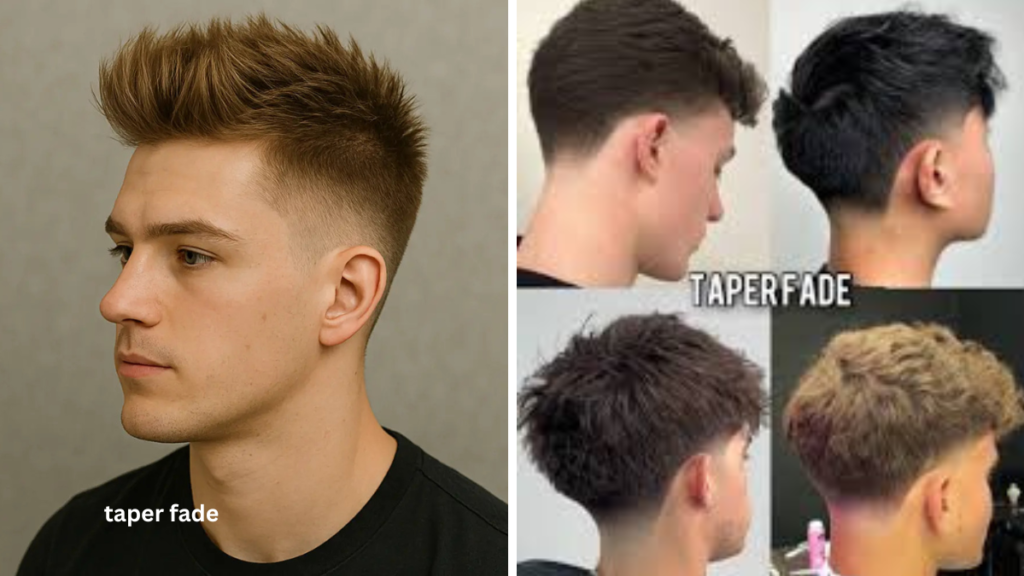
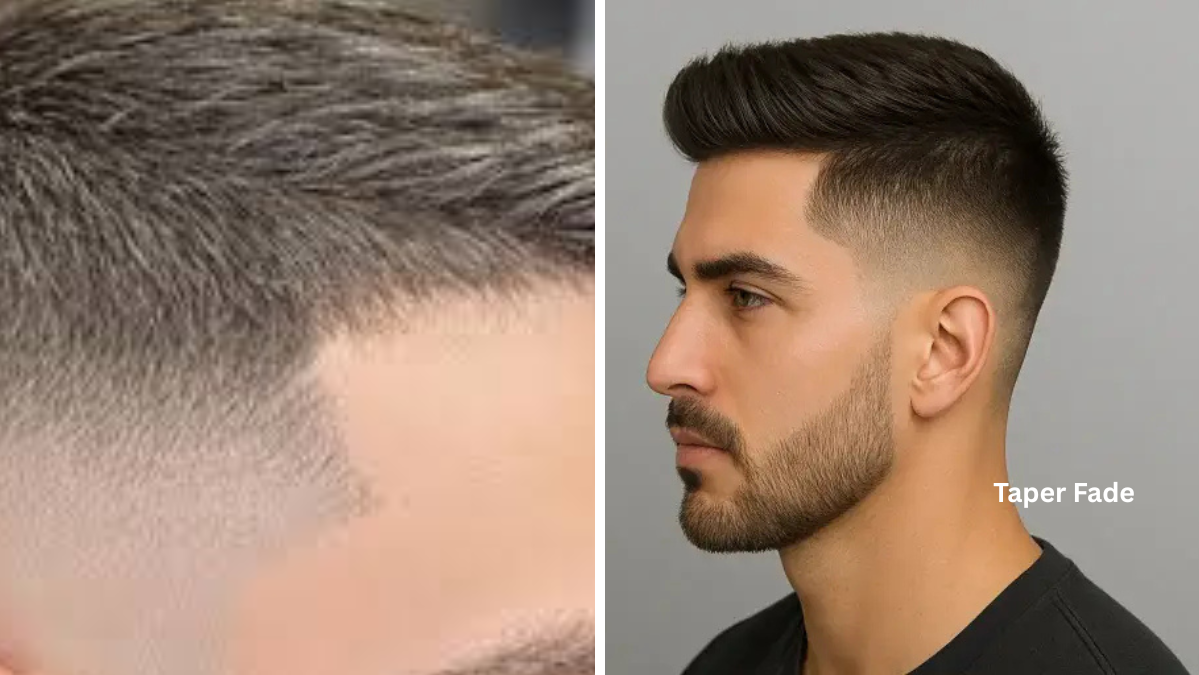
The taper fade combines elements of both styles. It keeps the subtle sophistication of a taper while incorporating the smooth blending associated with fades. That balance explains why it has become one of the most requested haircuts in modern barbershops.
Some people prefer the understated elegance of a low taper because it looks professional and polished without appearing overly trendy. Others choose high fades for dramatic contrast and sharper visual impact.
Communication matters tremendously during barber consultations. Clients who simply request “a fade” may receive something very different from what they imagined. Bringing reference photos often helps clarify expectations and ensures better results.
Barbers also consider lifestyle factors when recommending styles. Corporate professionals may benefit from subtle blends that remain office-friendly, while athletes or entertainers might prefer bolder variations with stronger contrast.
Maintenance requirements differ as well. Skin fades often require more frequent touch-ups because hair growth becomes noticeable faster. Softer tapers typically age more gracefully between appointments.
Understanding haircut terminology helps clients feel more confident and informed. It also strengthens the relationship between barber and customer, leading to more satisfying long-term grooming experiences.
Different Types of Taper Fade Styles
One reason this haircut remains so dominant is the incredible variety of styles available. Small adjustments in fade placement, texture, and blending technique can dramatically change the final appearance.
Low taper styles create subtle refinement near the neckline and ears. This variation works especially well in professional settings because it maintains a conservative appearance while still looking modern and clean.
Mid tapers balance subtlety and contrast. The fade begins slightly higher, creating more noticeable shaping without becoming overly aggressive. Many clients consider this the safest and most universally flattering option.
High tapers deliver stronger contrast and sharper visual impact. They expose more scalp and emphasize the shape of the head. Athletes, performers, and fashion-forward individuals often prefer this bold style.
Temple tapers focus primarily around the temples and neckline. This creates a clean appearance while preserving more fullness along the sides. It pairs exceptionally well with curls, afros, and textured hairstyles.
Burst fades curve naturally around the ear, producing a rounded appearance that complements mohawks and mullet-inspired styles. This variation has become increasingly popular among younger clients exploring modern fashion trends.
Drop fades follow the natural curve of the head, dipping lower behind the ears. This creates smoother transitions and enhances head shape more naturally than straight fade lines.
Skin tapers blend down to bare skin, maximizing contrast and creating a highly polished finish. Precision becomes especially important with this variation because imperfections are more visible.
Shadow fades leave a slight amount of visible hair instead of blending completely into the skin. Many people prefer this softer appearance because it looks natural while still remaining sharp.
Textured tops paired with fades continue dominating modern barber culture. Crops, curls, messy volume, twists, and layered styles all work beautifully with clean side blending.
Beard integration has also become a defining feature of contemporary grooming. Smooth transitions between haircut and beard create balanced, masculine silhouettes that elevate the entire appearance.
Choosing the Right Style for Face Shape
The most successful haircuts complement natural facial structure rather than fighting against it. Skilled barbers analyze head shape, jawline, forehead width, and hair texture before recommending specific styles.
Round faces often benefit from added height on top because vertical volume creates the illusion of length. Higher fades can sharpen softer features and produce stronger definition around the cheeks and jawline.
Square faces already possess strong angles, so moderate fades often work best. Balanced proportions preserve masculinity without making features appear overly harsh or exaggerated.
Oval faces tend to accommodate almost every hairstyle successfully. This versatility allows greater experimentation with texture, volume, and fade placement. Many barbers consider oval faces ideal for customization.
Long faces typically require more balance. Extremely high fades combined with tall hairstyles can make the face appear even longer. Softer tapers with moderate top volume usually create better harmony.
Heart-shaped faces benefit from styles that reduce forehead emphasis while adding fullness near the jawline. Texture and balanced proportions become especially important here.
Diamond-shaped faces often pair beautifully with textured tops and softer side transitions because these elements balance prominent cheekbones naturally.
Hair density also influences style recommendations. Thick hair provides more flexibility for dramatic contrast and structured shapes, while finer hair may require softer blending techniques for natural fullness.
Consulting with an experienced barber helps identify the most flattering options. Great barbers approach haircuts almost like sculptors, shaping proportions to enhance overall appearance.
Lighting and styling products affect the final look too. Matte products emphasize texture, while pomades add shine and structure. Understanding these details allows clients to recreate professional results at home.
Hair Texture and Styling Possibilities
Hair texture dramatically changes how a fade appears and behaves. Straight hair creates crisp, visible transitions that highlight precision blending beautifully. This texture often produces the cleanest and most defined finishes.
Curly hair introduces softness, volume, and natural movement. The contrast between textured curls and smooth faded sides creates striking visual balance. Many modern curly hairstyles rely heavily on clean tapering for structure.
Wavy hair sits somewhere between straight and curly textures, offering flexibility and natural dimension. Waves add character without requiring excessive styling effort, making them popular among clients seeking relaxed sophistication.
Coily and afro-textured hair pair exceptionally well with sharp lineups and temple tapers. These combinations celebrate natural texture while maintaining polished edges and clean structure.
Thick hair allows greater experimentation because it provides volume and density for shaping. Barbers can create dramatic silhouettes and textured styles more easily with fuller hair types.
Fine hair requires strategic cutting techniques to maximize perceived fullness. Softer fades and layered tops often help create more balanced proportions.
Styling routines vary depending on texture and desired finish. Matte clay products create natural texture and separation, while pomades offer shine and smoother control. Sea salt sprays enhance movement and volume for casual looks.
Blow-drying techniques also influence results significantly. Proper direction and airflow can create height, texture, and shape while reducing frizz and uneven movement.
Hydration remains essential for healthy styling. Dry or damaged hair becomes harder to manage and loses natural shine. Quality shampoos, conditioners, and leave-in products help maintain strong hair health over time.
Barbers frequently emphasize consistency. A great haircut provides the foundation, but daily care determines how good the style looks between appointments.
The Role of Barbershop Culture in Modern Grooming
Barbershops have always represented more than places for haircuts. They serve as social spaces, creative hubs, and cultural gathering points where conversations, trends, and personal connections develop naturally.
Modern barber culture has elevated grooming into an art form. Social media platforms showcase intricate fades, sharp lineups, and advanced blending techniques that were once visible only within local communities.
Barbers now function as image consultants as much as haircut professionals. Clients rely on them for style advice, grooming recommendations, beard shaping, and confidence-building transformations.
The resurgence of classic barbershop aesthetics has also contributed to the popularity of precision haircuts. Leather chairs, hot towel services, vintage decor, and detailed grooming experiences appeal to modern consumers seeking craftsmanship and authenticity.
Many clients build long-term relationships with barbers because consistency matters tremendously in grooming. A barber who understands a client’s hair growth patterns, preferences, and lifestyle can deliver more reliable results over time.
Competition among barbers has pushed technical standards higher. Fade blending today often reaches levels of detail and smoothness unimaginable decades ago. Precision clippers, trimmers, lighting systems, and education have transformed the profession significantly.
Celebrity barbers also influence trends heavily. High-profile athletes and entertainers frequently showcase custom styles that quickly spread through online platforms and local communities.
Barbershop conversations often shape fashion awareness and personal confidence too. Many people leave appointments feeling refreshed mentally as well as physically.
One experienced barber once said, “A haircut can’t solve every problem, but it can change how someone walks out the door.” That emotional aspect remains central to modern grooming culture.
Maintenance and Grooming Essentials
Even the best haircut loses impact without proper maintenance. Consistent grooming habits help preserve clean lines, healthy texture, and overall style longevity.
Regular barber visits remain essential for keeping fades sharp. Most clients schedule appointments every two to four weeks depending on growth speed and preferred cleanliness.
Daily hair washing should balance cleanliness with moisture preservation. Overwashing can dry out the scalp and weaken hair texture, especially for curly or coily hair types.
Conditioning helps maintain softness and manageability. Healthy hair responds better to styling and retains natural shine more effectively.
Edge maintenance matters significantly for polished appearance. Some clients use trimmers carefully between appointments, though excessive self-touching can damage professional shaping.
Neckline cleanup extends haircut freshness dramatically. Even minor overgrowth around the neck can make an otherwise clean haircut appear messy.
Styling product selection should match hair type and desired finish. Lightweight creams work well for natural movement, while stronger clays and pomades provide structure and hold.
Heat protection becomes important for clients using blow dryers or styling tools regularly. Excessive heat exposure can damage hair quality over time.
Sleep habits also influence grooming results. Silk pillowcases reduce friction and help preserve texture overnight, especially for curly or textured styles.
Hydration, nutrition, and stress management contribute to healthier hair as well. Strong grooming begins with overall wellness and consistent self-care routines.
Popular Celebrity Inspirations
Celebrity influence plays a major role in shaping haircut trends worldwide. Athletes, actors, musicians, and influencers often introduce new variations that quickly gain mainstream popularity.
Professional basketball players have long embraced sharp fades because the style looks clean under bright arena lighting and high-definition cameras. Their visibility makes them powerful trendsetters within grooming culture.
Football players frequently combine fades with textured crops, braids, twists, or curls. These combinations emphasize individuality while maintaining polished structure.
Hip-hop artists helped popularize intricate barber detailing, sharp lineups, and creative fade techniques. Music culture continues influencing modern grooming aesthetics significantly.
Hollywood actors often choose softer variations for versatility. These styles transition easily between red carpet events, film roles, and casual appearances.
Social media creators now shape trends almost as much as celebrities. Viral haircut transformations inspire millions of viewers to experiment with new looks and barber styles.
Classic celebrity grooming remains influential too. Timeless clean fades from earlier decades continue inspiring modern reinterpretations and updated styling techniques.
Many public figures emphasize consistency in their appearance. Frequent maintenance keeps their haircuts looking camera-ready, reinforcing the importance of regular grooming.
Fashion industries also embrace faded hairstyles because they complement both formal tailoring and casual streetwear effectively.
The connection between celebrity culture and grooming trends will likely continue growing as digital platforms expand visual influence worldwide.
Common Mistakes People Make With Fades
Many people unintentionally undermine great haircuts through poor communication, inconsistent maintenance, or unrealistic expectations. Understanding common mistakes helps preserve better long-term results.
One major mistake involves choosing styles solely because they look good on celebrities. Hair texture, face shape, and density vary greatly between individuals, so personalization matters more than imitation.
Skipping regular appointments often leads to uneven growth and loss of definition. Clean fades rely heavily on precise lines and smooth transitions that require maintenance.
Using excessive styling products can weigh hair down and create greasy texture. Many modern hairstyles actually look better with lighter, more natural finishes.
Poor scalp care also affects overall appearance. Dryness, buildup, and irritation can reduce hair health and make styling more difficult.
Attempting complex self-cuts without experience often creates uneven blending and damaged shapes. Professional fades require technical skill and controlled clipper work.
Ignoring beard integration can disrupt facial balance. Coordinated blending between haircut and facial hair creates smoother overall aesthetics.
Choosing extremely aggressive fades for conservative workplaces may create practical challenges. Lifestyle and environment should influence grooming decisions realistically.
Another common issue involves neglecting nighttime care. Rough pillowcases and poor moisture routines can flatten texture and increase frizz.
Communication failures between client and barber remain one of the biggest problems. Clear descriptions, reference photos, and honest feedback improve outcomes tremendously.
The Psychology Behind a Fresh Haircut
Haircuts influence psychology more deeply than many people realize. Appearance affects confidence, self-perception, social interaction, and emotional energy in subtle but meaningful ways.
A clean haircut often creates an immediate sense of renewal. Many people schedule grooming appointments before important events because looking sharp increases self-assurance naturally.
Professional appearance also affects first impressions. Well-maintained grooming communicates discipline, attention to detail, and personal pride.
There is a ritualistic aspect to barbershop visits too. The process of sitting in the chair, discussing style, and leaving refreshed creates a sense of care and routine that many people value deeply.
Athletes frequently mention feeling mentally sharper after fresh haircuts before games. That psychological boost can influence performance, posture, and focus.
Students and professionals experience similar effects. Grooming often becomes part of preparation for interviews, presentations, networking events, and important social situations.
Haircuts can also symbolize personal transitions. People frequently change styles after major life events, career changes, or emotional milestones.
Barbers witness these emotional transformations regularly. Confidence often becomes visible immediately after clients see finished results in the mirror.
One barber described the experience beautifully: “Sometimes the haircut isn’t about fashion. It’s about helping someone feel like themselves again.”
This emotional connection explains why grooming remains such a significant part of personal identity across cultures and generations.
The Best Products for Styling and Maintenance
Product selection dramatically affects how hairstyles look and perform throughout the day. Different textures and finishes require different grooming approaches.
Matte clay remains one of the most popular options for modern hairstyles because it provides texture without excessive shine. It works especially well for messy crops and natural finishes.
Pomades create smoother structure and controlled shine. Traditional pomades suit slick styles and classic looks, while water-based formulas offer easier washing and lighter hold.
Sea salt spray adds movement and volume naturally. Many people use it before blow-drying to create textured, beach-inspired finishes.
Curl creams help define coils and waves without creating stiffness. Moisture retention becomes especially important for textured hair types.
Hair oils improve shine and softness while reducing frizz. Lightweight oils work best because heavy products can flatten volume.
Dry shampoo extends freshness between washes and adds texture for styling. It has become increasingly popular among both men and women.
Scalp health products also matter significantly. Exfoliating shampoos, moisturizing conditioners, and scalp serums support healthier hair growth and comfort.
Beard products contribute to overall grooming harmony as well. Beard oils and balms soften texture while helping facial hair blend naturally with faded haircuts.
Quality tools make styling easier too. Good blow dryers, combs, brushes, and trimmers improve consistency and reduce frustration during daily routines.
Seasonal Trends and Modern Style Variations
Haircut preferences often shift with seasons and fashion trends. Warmer months usually inspire shorter, cleaner styles because they feel cooler and easier to maintain.
Summer grooming trends frequently emphasize skin fades, textured crops, and lightweight styling products. Athletes and active individuals especially appreciate low-maintenance summer cuts.
Fall and winter styles often incorporate slightly longer tops and fuller texture. Cooler weather allows more experimentation with layered volume and relaxed movement.
Fashion cycles influence haircut aesthetics heavily. Streetwear trends, luxury menswear, vintage influences, and sports culture all shape grooming preferences.
The rise of textured hairstyles has transformed modern barbering significantly. Clients increasingly prefer natural movement and individualized finishes over stiff, overly polished styles.
Retro inspirations continue returning in updated forms. Mullets, mohawks, and pompadours now appear with modern blending techniques and cleaner structure.
Color experimentation has grown more common too. Bleached tops, highlights, and subtle color accents pair effectively with sharp fades.
Minimalist grooming trends also remain strong. Many people now prefer understated sophistication over highly dramatic cuts.
International influences continue expanding barber creativity as well. Techniques and styles from different regions blend together, creating fresh interpretations of classic grooming traditions.
The adaptability of faded hairstyles ensures they remain relevant regardless of changing fashion cycles. That flexibility explains their continued global popularity.
Table: Popular Fade Variations and Their Characteristics
| Style Type | Appearance | Best Hair Types | Maintenance Level | Ideal Setting |
|---|---|---|---|---|
| Low Fade | Subtle and professional | Straight, wavy, curly | Moderate | Office and casual |
| Mid Fade | Balanced contrast | All textures | Moderate | Everyday versatility |
| High Fade | Bold and dramatic | Thick, straight | High | Fashion-forward looks |
| Skin Fade | Sharp and ultra-clean | Most textures | High | Modern urban style |
| Temple Fade | Focused around temples | Curly, coily | Moderate | Textured hairstyles |
| Drop Fade | Curves with head shape | Wavy, curly | Moderate | Stylish modern cuts |
| Burst Fade | Rounded around ears | Thick, textured | High | Creative hairstyles |
| Shadow Fade | Softer transition | Fine or medium hair | Low to moderate | Natural appearance |
How Social Media Changed Modern Barbering
Social media transformed barbering from a local trade into a global creative industry. Platforms filled with haircut videos, tutorials, and transformations reshaped consumer expectations dramatically.
Clients now arrive at barbershops with detailed reference photos and specific style terminology. This visual communication improves clarity while also increasing pressure for precision.
Barbers use digital platforms to showcase skill, attract clients, and build personal brands. Some have become international educators and influencers through online visibility alone.
Haircut trends spread faster than ever before because viral videos can reach millions within hours. Regional styles now influence global grooming culture almost instantly.
Educational access improved significantly too. Aspiring barbers can study advanced techniques from professionals worldwide without formal apprenticeships alone.
Photography and lighting standards also pushed haircut quality higher. High-resolution images expose imperfections clearly, motivating barbers to refine blending and detailing skills constantly.
Clients benefit from greater awareness and inspiration. They can explore countless styles before appointments and make more informed grooming choices.
However, social media sometimes creates unrealistic expectations. Filters, editing, and perfect lighting can make haircuts appear flawless beyond real-world conditions.
Despite these challenges, digital culture undeniably elevated appreciation for barber artistry and modern grooming craftsmanship worldwide.
The Future of Men’s Grooming and Hair Trends
Men’s grooming continues evolving rapidly as self-care becomes more normalized and fashion-conscious lifestyles expand globally. Haircuts now represent personal branding as much as appearance.
Customization will likely remain central to future trends. People increasingly seek styles tailored to individuality rather than rigid traditional standards.
Texture-focused styling appears likely to continue growing. Natural movement, curls, waves, and layered finishes feel more authentic and expressive than overly structured looks.
Sustainability may influence grooming products and barbershop culture more strongly in coming years. Consumers increasingly value eco-conscious packaging and healthier ingredient choices.
Technology could also reshape barber education and client experiences. Digital consultations, augmented hairstyle previews, and advanced grooming tools may become more common.
Gender boundaries within hairstyling continue softening too. Many haircut techniques now cross traditional categories freely, encouraging broader creative experimentation.
Despite changing trends, classic grooming principles remain timeless. Clean blending, healthy hair, balanced proportions, and confident presentation never lose relevance.
Barbers will continue serving not only as stylists but also as trusted image consultants and community figures.
The continued popularity of faded hairstyles proves that versatility and craftsmanship always survive shifting fashion cycles.
Conclusion
The enduring appeal of the taper fade comes from its rare ability to balance timeless sophistication with modern versatility. Few hairstyles adapt so naturally to different lifestyles, professions, hair textures, and fashion preferences while consistently maintaining a clean and stylish appearance.
From athletes and musicians to students and professionals, people continue choosing this haircut because it delivers confidence, structure, and individuality without feeling overly complicated. Its adaptability allows subtle refinement or bold expression depending on personal taste.
Modern barbering has elevated the haircut into a true art form. Precision blending, texture customization, beard integration, and personalized styling all contribute to making each variation unique. What once began as a simple practical cut has evolved into one of the most influential grooming styles in contemporary culture.
The emotional impact of a sharp haircut should never be underestimated either. Looking polished often changes how people carry themselves, interact socially, and approach everyday life. Confidence frequently begins with small acts of self-care, and grooming remains one of the most visible examples.
As trends continue evolving, this hairstyle will likely remain a cornerstone of men’s grooming because it successfully combines practicality, style, and individuality. It respects classic barber traditions while continuously adapting to modern fashion and cultural influences.
Whether someone prefers subtle professionalism, textured creativity, or bold contrast, this iconic haircut continues proving why it belongs among the greatest grooming styles ever created.
FAQ
What is the difference between a taper and a fade?
A taper gradually shortens the hair around the neckline and sideburns while keeping more fullness overall. A fade creates stronger contrast by blending the hair much shorter, often down to the skin. The taper fade combines both approaches for a balanced and polished look.
How often should I maintain this haircut?
Most people schedule barber visits every two to four weeks depending on hair growth speed and desired sharpness. Cleaner skin fades usually require more frequent touch-ups than softer tapers.
Does this style work with curly hair?
Yes, curly hair pairs exceptionally well with faded sides because the contrast enhances texture and volume. Many modern curly hairstyles rely on clean tapering to create shape and balance.
Can professionals wear a taper fade in office settings?
Absolutely. Low and mid variations are especially popular in professional environments because they look clean, refined, and stylish without appearing overly dramatic.
Which face shape suits this haircut best?
The haircut works with nearly every face shape when customized properly. Skilled barbers adjust fade height, top volume, and texture to create balanced proportions for each individual.
What products work best for styling?
Matte clay, pomade, sea salt spray, and lightweight creams are among the most popular styling products. The ideal choice depends on hair texture, desired hold, and finish preference.
Is the taper fade still trendy?
Yes, it remains one of the most requested hairstyles worldwide because it adapts easily to changing trends while maintaining timeless appeal. Its versatility keeps it consistently relevant in modern grooming culture.