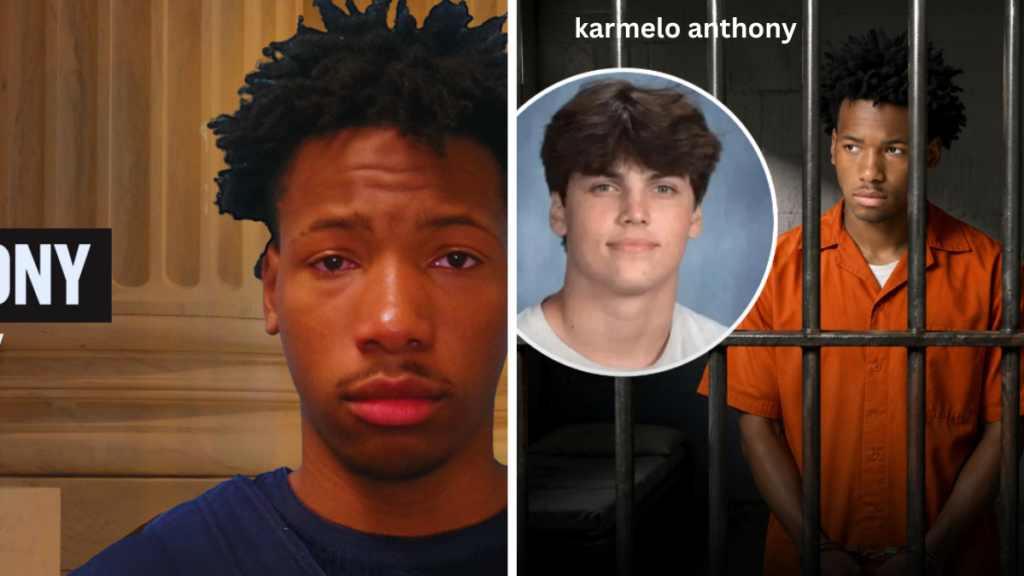
The Karmelo Anthony case became one of the most closely watched criminal trials in Texas during 2025 and 2026. What began as a confrontation between two teenagers at a high school track meet quickly evolved into a national story involving questions of self-defense, criminal responsibility, race, media coverage, and public opinion. The case drew widespread attention from news organizations, legal analysts, community leaders, and ordinary citizens across the United States. (The Guardian)
At the center of the case was the fatal stabbing of 17-year-old Austin Metcalf during a school track meet in Frisco, Texas, on April 2, 2025. Karmelo Anthony, who was also 17 at the time, was arrested and charged with murder. Because Texas law generally treats 17-year-olds as adults in criminal proceedings, Anthony was prosecuted in adult court. (Wikipedia)
The trial attracted significant public interest because of the tragic circumstances, the youth of those involved, conflicting accounts of what happened, and the social debates that emerged afterward. By the time a jury delivered its verdict in June 2026, the case had become a national conversation about justice, accountability, and community division. (The Guardian)
Background of the Incident
The events that led to the case occurred during a high school track and field competition in Frisco, Texas. According to court testimony and investigative records, students from multiple schools were gathered at the event when a dispute developed under a team tent during rainy weather. Witnesses testified that Anthony was sitting in an area associated with Memorial High School athletes when Austin Metcalf approached him. (The Guardian)
What happened next became the focus of the criminal trial. Prosecutors argued that Anthony escalated the confrontation and ultimately stabbed Metcalf in the chest. The defense maintained that Anthony acted because he feared for his safety and believed he was under threat. These competing narratives shaped virtually every aspect of the trial. (The Guardian)
The incident shocked the local community. Both teenagers were student-athletes with no prior connection beyond attending competing schools. What began as a brief dispute ended in a tragedy that affected families, classmates, teachers, coaches, and an entire region. (People.com)
Timeline of Key Events
Understanding the progression of the case requires examining the major developments from the day of the incident through sentencing.
| Date | Event |
|---|---|
| April 2, 2025 | Austin Metcalf fatally stabbed during Frisco track meet |
| April 2025 | Karmelo Anthony arrested and charged |
| April 2025 | Bond hearing attracts public attention |
| June 2025 | Grand jury indicts Anthony for first-degree murder |
| June 2026 | Trial begins in Collin County |
| June 2026 | Jury hears testimony and evidence |
| June 9, 2026 | Guilty verdict returned |
| June 2026 | Anthony sentenced to 35 years in prison |
The case remained in public discussion throughout the pretrial process. Court hearings, bond decisions, legal motions, and media coverage generated ongoing interest. Social media further amplified attention, creating extensive debate about the facts and legal issues involved. (Wikipedia)
As the trial date approached, interest intensified. Legal commentators discussed potential outcomes while community members prepared for a proceeding that many believed would become a defining moment in local legal history. (The Guardian)
The Criminal Charges
Following the incident, prosecutors charged Anthony with murder. Under Texas law, prosecutors alleged that he intentionally or knowingly caused the death of Austin Metcalf. Because of the severity of the accusation, the case carried potentially lengthy prison consequences. (Wikipedia)
The defense immediately signaled that self-defense would be central to its strategy. Attorneys argued that Anthony perceived a threat and reacted during a rapidly developing confrontation. This claim became the foundation of the defense case and was repeatedly emphasized throughout the proceedings. (The Guardian)
Prosecutors, however, rejected that characterization. They argued that the evidence demonstrated an unjustified use of deadly force and maintained that Anthony’s actions met the legal standard for murder. (The Guardian)
The legal battle therefore centered not only on what occurred but also on whether the circumstances justified the use of force under Texas law.
Pretrial Developments
The months between the arrest and trial featured several important legal developments.
One of the most significant involved bond. Anthony’s initial bond was set at a high amount before later being reduced. The decision generated strong reactions from supporters and critics alike. Some argued the reduction was appropriate given Anthony’s age and lack of criminal history, while others believed the seriousness of the allegation warranted stricter conditions. (Wikipedia)
Another major development involved the public attention surrounding the case. Fundraising efforts, online commentary, and extensive media coverage transformed the case into a national topic. Competing narratives emerged online, often portraying the incident in dramatically different ways. (The Times of India)
The court also faced challenges related to publicity. Because the case attracted significant attention, judges and attorneys had to navigate concerns about pretrial exposure and maintaining the integrity of the judicial process. (Biography)
By the time the trial began, public interest was already extraordinarily high.
The Trial Proceedings
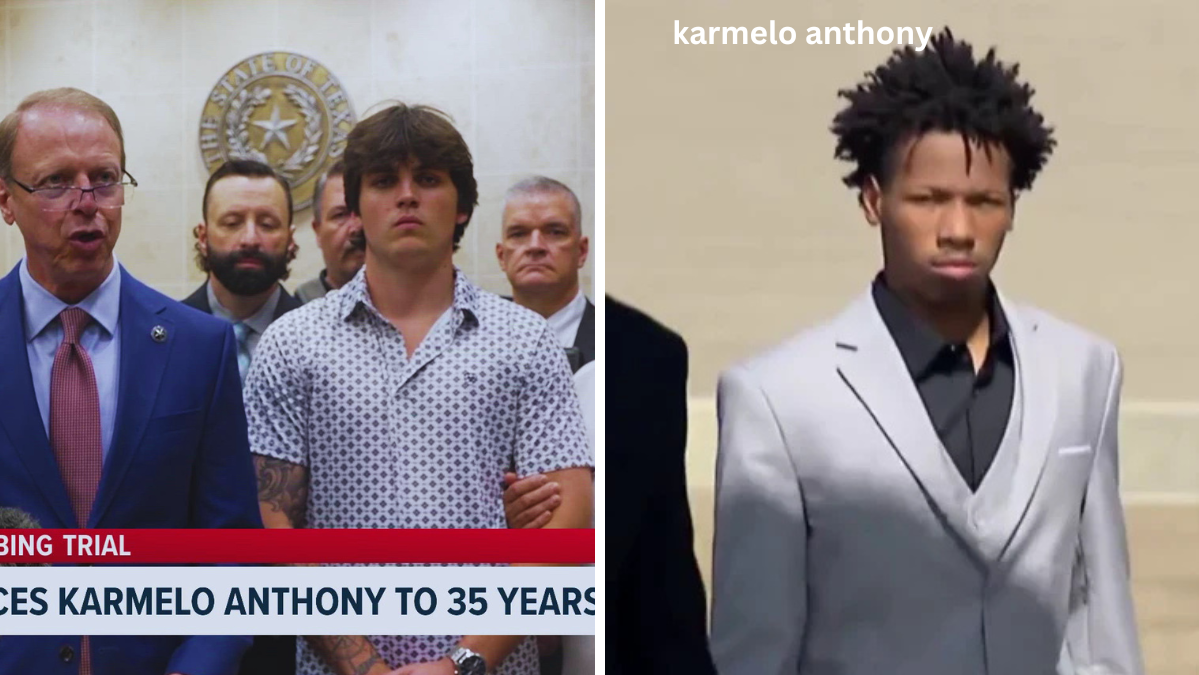
The trial officially began in June 2026 in Collin County, Texas. Jurors were tasked with evaluating testimony, reviewing evidence, and determining whether the prosecution had proven its case beyond a reasonable doubt. (AP News)
Throughout the proceedings, jurors heard testimony from students, law enforcement officers, investigators, coaches, and other witnesses. Video evidence and physical evidence were also presented. Prosecutors sought to demonstrate that Anthony’s actions constituted murder, while defense attorneys argued that he acted out of fear and perceived danger. (AP News)
The courtroom remained filled with observers throughout much of the trial. Families from both sides attended proceedings, and media organizations provided continuous coverage. The emotional nature of the testimony often affected those present. (Reddit)
Observers described the atmosphere as tense, reflecting the seriousness of the allegations and the profound loss experienced by the victim’s family.
The Self-Defense Argument
The defense strategy centered largely on self-defense.
Attorneys argued that Anthony believed he faced an immediate threat during the confrontation. They emphasized testimony suggesting physical contact occurred and maintained that Anthony reacted to what he perceived as danger. Defense witnesses and legal arguments focused on Anthony’s state of mind during the encounter. (The Guardian)
Texas self-defense law permits individuals to use force under certain circumstances when they reasonably believe it is necessary to protect themselves. The defense contended that this principle applied to the incident. (The Sun)
Prosecutors challenged that claim aggressively. They argued that the evidence did not support a legally valid self-defense justification and that the level of force used was unjustified. Their position remained that the killing constituted murder rather than lawful self-protection. (The Guardian)
Ultimately, jurors were required to determine whether the self-defense claim created reasonable doubt regarding guilt.
Jury Selection Controversy
One of the most discussed aspects of the trial involved jury selection.
Reports indicated that no Black jurors served on the final jury panel. Because Anthony is Black and Metcalf was white, the composition of the jury became a subject of public debate. Civil rights advocates and supporters expressed concerns about representation and fairness. (The Guardian)
The court addressed objections raised during jury selection. Prosecutors and defense attorneys offered differing views regarding the process and the reasons prospective jurors were removed. The judge ultimately permitted the jury composition that moved forward into trial. (The Guardian)
The issue remained prominent throughout the proceedings and later became a major topic in public discussions following the verdict.
Closing Arguments
As testimony concluded, attorneys delivered closing arguments designed to persuade jurors.
Prosecutors argued that the evidence established murder beyond a reasonable doubt. They maintained that the fatal stabbing was unjustified and emphasized witness testimony and physical evidence supporting their case. (ABC7 San Francisco)
Defense attorneys urged jurors to consider the circumstances from Anthony’s perspective. They argued that fear, confusion, and perceived danger influenced his actions and that the prosecution had failed to eliminate reasonable doubt regarding self-defense. (Oxygen)
Both sides framed the case in fundamentally different ways, leaving jurors with the difficult task of determining which interpretation aligned most closely with the evidence presented.
The Verdict
On June 9, 2026, the jury returned a guilty verdict.
Jurors found Anthony guilty of murder after deliberating on the evidence and legal instructions provided by the court. The verdict represented a major moment in a case that had attracted national attention for more than a year. (The Guardian)
Reports from inside the courtroom described emotional reactions following the announcement. Members of both families responded visibly as the decision was read. Anthony reportedly became emotional, while Austin Metcalf’s family observed the conclusion of the guilt phase after months of legal proceedings. (The Guardian)
The verdict effectively ended the central question of criminal responsibility, though sentencing remained unresolved.
Sentencing and Prison Term
After the conviction, the trial moved into sentencing.
Jurors heard additional information before determining punishment. Victim impact statements played an important role during this phase, with members of the Metcalf family speaking about their loss and its lasting effects. (People.com)
The jury ultimately sentenced Anthony to 35 years in prison. The punishment fell within the range available under Texas law for the offense. Reports indicated that he would become eligible for parole after serving a portion of the sentence as permitted by law. (The Guardian)
The sentence generated strong reactions across the political, legal, and social spectrum, reflecting the deep divisions that had emerged throughout the case.
Public Reaction
Public reaction to the case was intense and often polarized.
Some observers viewed the verdict as a just outcome supported by the evidence presented during trial. Others believed the case raised broader concerns regarding race, self-defense claims, and fairness within the criminal justice system. (CBS News)
Outside the courthouse, demonstrations and public gatherings occurred as supporters and critics expressed their views. Reports described emotional scenes, heated debates, and occasional confrontations among individuals holding opposing perspectives. (New York Post)
The case also generated substantial discussion online. Social media users debated legal issues, analyzed testimony, and shared opinions regarding the verdict. As with many high-profile criminal cases, public reaction often reflected broader societal divisions. (The Times of India)
Media Coverage and National Attention
News organizations across the country followed developments in the case.
Coverage focused not only on courtroom proceedings but also on the social and cultural issues surrounding the trial. Discussions frequently addressed youth violence, self-defense law, race relations, media influence, and public opinion. (The Guardian)
Television networks, newspapers, digital outlets, and independent commentators provided extensive analysis. Some reports emphasized legal questions, while others highlighted the human tragedy at the center of the case. (Biography)
The widespread attention ensured that the case reached audiences far beyond Texas, becoming one of the most discussed criminal proceedings of the year.
Lasting Impact
The case left a lasting impact on the families involved, the Frisco community, and many observers nationwide.
For the Metcalf family, the trial represented a search for accountability following the loss of a son and brother. Their victim impact statements illustrated the enduring emotional consequences of the tragedy. (People.com)
For Anthony and his supporters, the conviction and sentence marked the culmination of a legal battle that had become highly publicized and deeply controversial. Appeals and further legal proceedings may continue to attract attention in the future. (The Sun)
The broader public discussion surrounding the case is likely to continue as legal scholars, community leaders, and citizens examine its implications.
Conclusion
The Karmelo Anthony case evolved from a tragic confrontation at a Texas high school track meet into one of the most widely discussed criminal cases in recent years. Beginning with the death of Austin Metcalf in April 2025, the case progressed through investigation, indictment, trial, conviction, and sentencing, drawing national attention at every stage. (Wikipedia)
Throughout the proceedings, prosecutors argued that Anthony committed murder, while defense attorneys maintained that he acted in self-defense. After hearing testimony and reviewing evidence, jurors rejected the self-defense claim, convicted Anthony of murder, and sentenced him to 35 years in prison. (The Guardian)
The case generated intense public reaction, fueled conversations about justice and race, and highlighted the profound consequences of violence among young people. Regardless of differing opinions regarding the verdict, the tragedy permanently changed the lives of everyone directly involved. (New York Post)
What was the Karmelo Anthony case about?
The case involved the fatal stabbing of Austin Metcalf during a high school track meet in Frisco, Texas, in April 2025. Anthony was later charged, tried, and convicted of murder. (Wikipedia)
What defense did Anthony present during trial?
The defense argued that Anthony acted in self-defense and feared for his safety during the confrontation. Prosecutors disputed this claim and argued that the stabbing was unjustified. (Oxygen)
What verdict did the jury reach?
The jury found Anthony guilty of murder following deliberations in June 2026. (The Guardian)
What sentence was imposed?
Anthony received a sentence of 35 years in prison after the sentencing phase concluded. (The Guardian)
Why did the case receive national attention?
The case attracted widespread attention because it involved teenage students, a fatal incident at a school event, debates regarding self-defense, racial tensions, and extensive media coverage. (The Times of India)
Was jury selection controversial?
Yes. Public discussion emerged after reports indicated that no Black jurors served on the final jury panel, leading to concerns raised by some observers and advocacy groups. (The Guardian)
How did the public react to the verdict?
Reactions were mixed. Some viewed the outcome as justice for Austin Metcalf, while others criticized aspects of the trial and sentencing process. Demonstrations and public debates occurred following the verdict. (CBS News)