
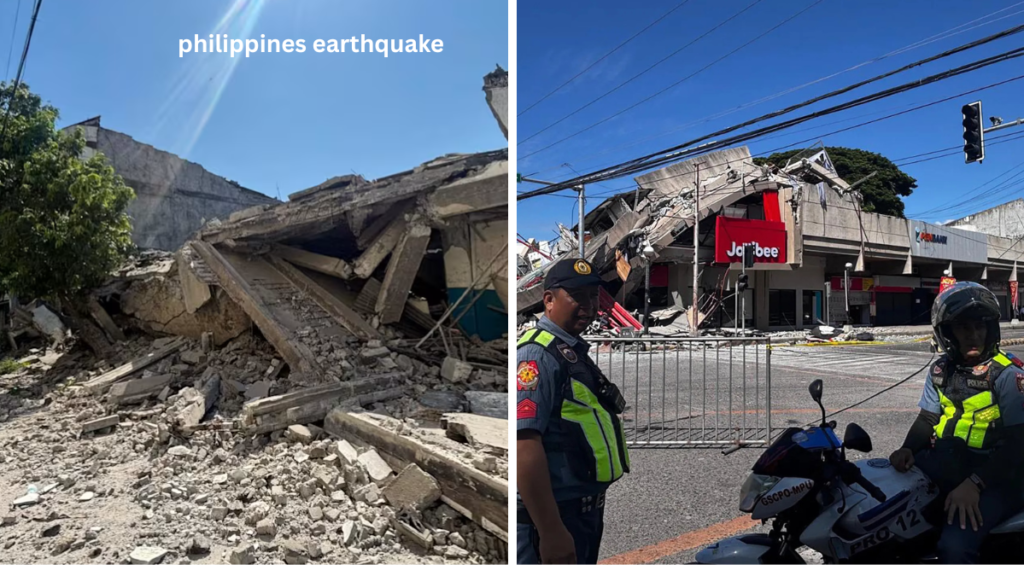
The Philippines is one of the most earthquake-prone countries in the world. Situated along the Pacific Ring of Fire, the nation experiences frequent seismic activity that ranges from minor tremors to devastating earthquakes capable of causing widespread destruction. The geographical location of the archipelago places it at the intersection of several tectonic plates, making earthquakes an unavoidable part of life for millions of Filipinos.
A Philippines earthquake event can occur without warning, creating significant challenges for communities, infrastructure planners, government agencies, and emergency response teams. While many earthquakes pass unnoticed or cause only minor disruptions, some have left lasting marks on the country’s history through loss of life, property damage, and economic consequences.
Understanding the science behind earthquakes is essential for reducing risks and improving preparedness. Knowledge about fault lines, tectonic movement, seismic waves, and disaster response can help individuals and communities make informed decisions before, during, and after an earthquake.
Throughout history, the Philippines has demonstrated remarkable resilience in the face of natural disasters. Communities rebuild, governments strengthen regulations, and scientists continue improving monitoring systems to better protect the population.
Earthquakes are not merely geological events. They influence urban planning, construction practices, education systems, public policy, and disaster management strategies. Their impact extends far beyond the immediate shaking, affecting social and economic development for years.
This comprehensive guide explores the causes of earthquakes in the Philippines, historical seismic events, preparedness measures, emergency response strategies, technological advancements, and the country’s ongoing efforts to reduce disaster risks.
The Geographic Location of the Philippines
The Philippines consists of more than 7,000 islands located in Southeast Asia. Its strategic position provides access to important maritime routes and abundant natural resources, but it also places the country in one of the most seismically active regions on Earth.
The archipelago lies within the Pacific Ring of Fire, a massive zone surrounding the Pacific Ocean where tectonic activity is especially intense. This region is responsible for a significant percentage of the world’s earthquakes and volcanic eruptions.
Several major tectonic plates interact near the Philippines, including the Philippine Sea Plate and the Eurasian Plate. The constant movement of these plates generates stress beneath the Earth’s surface. When accumulated stress is suddenly released, earthquakes occur.
This geological reality means that seismic activity is a normal part of life across many parts of the country. Earthquake preparedness is therefore not an optional consideration but an essential aspect of national safety planning.
The country’s geography also complicates disaster response efforts. With thousands of islands spread across a large area, delivering emergency assistance following major seismic events can be challenging.
These geographic characteristics explain why earthquake monitoring, infrastructure resilience, and public awareness remain high priorities throughout the Philippines.
Understanding the Science Behind Earthquakes
Earthquakes occur when energy stored within the Earth’s crust is suddenly released. This release generates seismic waves that travel through the ground, causing shaking that can be felt over large distances.
Tectonic plates continuously move, although their motion is generally slow. Over time, stress accumulates along fault lines where plates interact. When the stress exceeds the strength of surrounding rock formations, a rupture occurs.
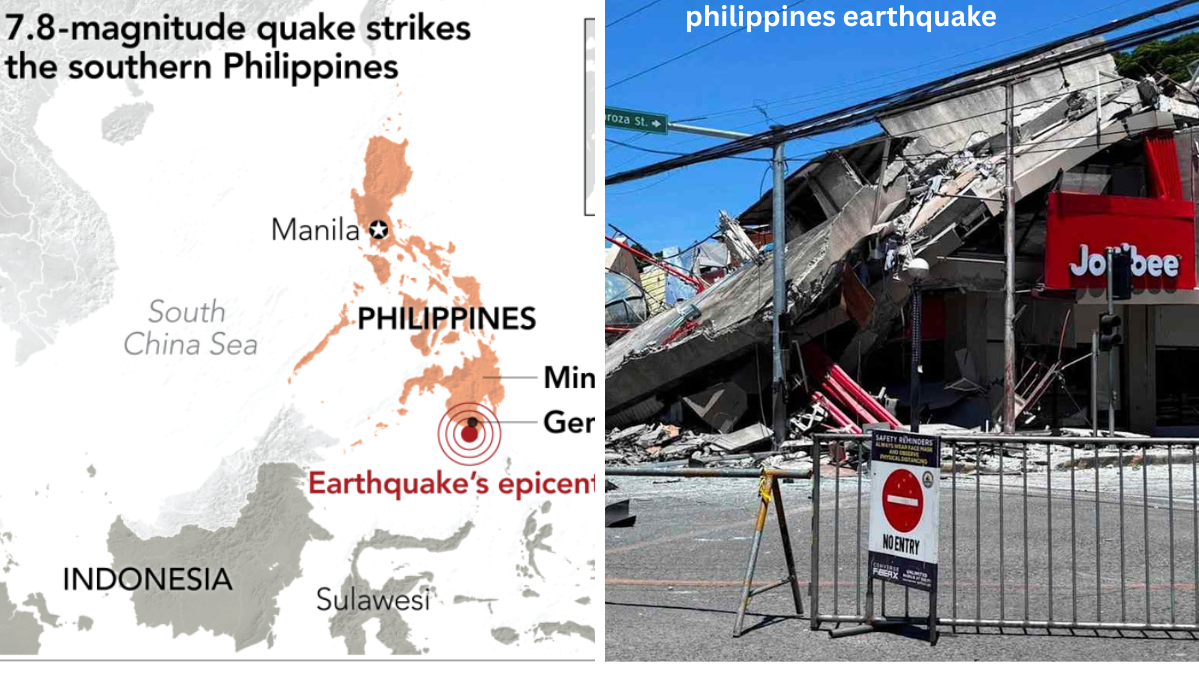
The point inside the Earth where the rupture begins is known as the focus or hypocenter. The location directly above it on the surface is called the epicenter. Areas near the epicenter typically experience the strongest shaking.
Scientists use magnitude scales to measure earthquake strength. Larger magnitudes generally indicate greater energy release, although actual damage depends on many factors including depth, location, building quality, and population density.
Seismic waves travel in different forms. Some move through the interior of the Earth, while others travel along the surface. Surface waves often produce the most noticeable shaking and can cause significant structural damage.
A major Philippines earthquake often results from complex interactions between multiple geological systems, making accurate prediction extremely difficult despite advances in scientific research.
Major Fault Lines in the Philippines
The Philippines contains numerous active fault systems that contribute to frequent seismic activity. These faults represent fractures within the Earth’s crust where movement occurs over time.
One of the most significant is the Philippine Fault Zone, a major geological structure extending across multiple regions of the country. This fault system has been responsible for many historical earthquakes.
Other important faults exist near densely populated urban areas. Their proximity to cities increases potential risks because strong shaking can affect large populations and critical infrastructure.
Scientists continuously monitor these fault systems using advanced instruments and geological surveys. Understanding fault behavior helps improve hazard assessments and supports disaster preparedness planning.
Fault mapping has become increasingly detailed over recent decades. Improved technology enables researchers to identify previously unknown fault segments and better understand their potential risks.
Knowledge of fault locations influences land-use decisions, building regulations, and emergency response planning throughout the country.
Historical Earthquakes That Shaped the Nation
The Philippines has experienced many destructive earthquakes throughout its history. These events have shaped public awareness and influenced disaster management policies.
Several major earthquakes during the twentieth century caused extensive damage to infrastructure and communities. Buildings collapsed, transportation networks were disrupted, and recovery efforts often required years.
One of the most significant lessons from historical disasters involves the importance of building standards. Structures designed to withstand seismic forces generally perform better during strong earthquakes.
Historical records provide valuable information for scientists studying earthquake behavior. Past events help identify high-risk areas and improve future preparedness efforts.
Communities affected by major earthquakes often become advocates for stronger safety measures and improved public education. Their experiences contribute to national resilience.
The history of seismic activity demonstrates that preparedness and planning can significantly reduce the human and economic costs associated with future earthquakes.
Notable Earthquake Events and Their Impact
| Year | Location | Approximate Magnitude | Major Impact |
|---|---|---|---|
| 1976 | Moro Gulf | 8.0+ | Tsunami and significant casualties |
| 1990 | Luzon | 7.7 | Severe infrastructure damage |
| 2013 | Bohol | 7.2 | Historic structures affected |
| 2017 | Surigao | 6.7 | Building and road damage |
| 2019 | Mindanao | 6.0+ series | Multiple aftershocks and displacement |
These events highlight the diverse challenges associated with seismic disasters. Impacts often extend beyond immediate structural damage and include economic disruption, displacement, and long-term recovery needs.
The lessons learned from these earthquakes continue influencing disaster management strategies and public policy decisions today.
Why Earthquakes Are Common in the Philippines
The frequency of earthquakes in the Philippines is directly connected to tectonic activity. The country occupies a geologically dynamic region where multiple plates converge and interact.
Subduction zones play a particularly important role. In these areas, one tectonic plate moves beneath another, generating significant geological stress. This process contributes to both earthquakes and volcanic activity.
The combination of active faults, plate boundaries, and subduction zones creates conditions that favor frequent seismic events. As a result, earthquakes occur regularly throughout different regions of the country.
Many earthquakes are too small to cause noticeable effects. However, even moderate events serve as reminders of the ongoing geological processes occurring beneath the surface.
Public awareness campaigns often emphasize that earthquakes cannot be prevented. Instead, efforts focus on preparedness, resilience, and risk reduction.
Understanding the underlying causes of seismic activity helps communities appreciate the importance of safety measures and long-term planning.
Earthquake Monitoring and Detection Systems
Modern earthquake monitoring relies on sophisticated scientific instruments capable of detecting ground motion with remarkable precision.
Seismic stations distributed across the country continuously record data related to earthquakes. These instruments help determine location, magnitude, depth, and other important characteristics.
Government agencies analyze seismic information and issue reports that support emergency response efforts and public awareness initiatives.
Technological advancements have significantly improved monitoring capabilities. Digital communication systems enable rapid sharing of information following seismic events.
Scientists also collaborate internationally to improve understanding of regional tectonic processes. Global partnerships contribute to more accurate assessments and better preparedness strategies.
As monitoring technology continues evolving, authorities gain increasingly detailed insights into the country’s complex seismic environment.
Earthquake Preparedness for Individuals and Families
Preparedness begins at the household level. Families that plan ahead are often better equipped to respond effectively during emergencies.
Emergency kits should contain essential supplies such as water, food, flashlights, batteries, medications, and important documents. These resources can prove invaluable following a major earthquake.
Family communication plans help ensure that relatives know how to reconnect if normal communication systems become disrupted.
Regular earthquake drills reinforce safe behaviors and reduce panic during actual emergencies. Practicing emergency procedures improves response effectiveness.
Homes should be inspected for potential hazards. Securing heavy furniture, appliances, and shelving units can reduce injury risks during strong shaking.
Preparedness is not about fear. It is about developing practical strategies that enhance safety and confidence in challenging situations.
Earthquake-Resistant Construction and Modern Engineering
One of the most effective ways to reduce earthquake-related damage is through strong construction practices. Engineers and architects design structures to withstand seismic forces by incorporating flexible materials, reinforced frameworks, and advanced safety features. These approaches help buildings absorb and distribute energy generated during ground shaking.
Building codes have evolved significantly over time. Lessons learned from past disasters have encouraged governments and construction professionals to adopt stricter standards that improve structural resilience. Modern engineering emphasizes safety, durability, and risk reduction.
Earthquake-resistant buildings are not necessarily designed to remain completely undamaged. Instead, they aim to prevent catastrophic collapse and protect human lives. This distinction is important because preserving life remains the primary goal of seismic engineering.
In urban areas, high-rise structures often include specialized systems that help stabilize buildings during earthquakes. These systems may involve reinforced concrete cores, steel frameworks, and shock-absorbing technologies.
Schools, hospitals, government offices, and transportation facilities receive special attention because they play critical roles during emergencies. Ensuring that these facilities remain operational after a major earthquake supports effective disaster response.
A significant lesson from every major Philippines earthquake event is that strong infrastructure saves lives. Investment in resilient construction continues to be one of the most important disaster risk reduction strategies.
Government Disaster Management and Emergency Response
The Philippine government has established various agencies and programs dedicated to disaster preparedness and emergency management. These organizations coordinate response efforts before, during, and after seismic events.
Emergency response begins immediately following a significant earthquake. Authorities assess damage, deploy rescue teams, restore communication systems, and provide assistance to affected communities.
Disaster management plans involve coordination between national agencies, local governments, emergency responders, healthcare providers, and community organizations. Effective collaboration is essential during large-scale emergencies.
Training exercises and preparedness programs help strengthen response capabilities. Simulated disaster scenarios allow agencies to evaluate procedures and identify opportunities for improvement.
Public education campaigns also play an important role. Citizens who understand emergency procedures are often better prepared to respond appropriately during actual disasters.
The continued development of disaster management systems reflects the country’s commitment to improving resilience against future seismic threats.
Tsunami Risks Associated With Major Earthquakes
Earthquakes occurring beneath the ocean can trigger tsunamis, creating additional hazards for coastal communities. These powerful waves can travel long distances and cause devastating impacts when they reach shorelines.
Not every underwater earthquake generates a tsunami. The likelihood depends on factors such as earthquake magnitude, depth, and the type of fault movement involved.
The Philippines faces tsunami risks due to its extensive coastline and proximity to active tectonic zones. Coastal communities must therefore consider both earthquake and tsunami preparedness.
Warning systems have become increasingly sophisticated. Monitoring networks track seismic activity and ocean conditions to provide early alerts when tsunami threats emerge.
Evacuation planning remains essential. Communities located near coastlines often identify safe routes and elevated areas that can be reached quickly during emergencies.
Historical disasters have demonstrated that tsunami preparedness can significantly reduce casualties when communities receive timely warnings and respond effectively.
Economic Effects of Earthquakes
The economic consequences of earthquakes can be substantial. Damage to buildings, roads, bridges, utilities, and businesses often requires significant financial resources for repair and reconstruction.
Local economies may experience temporary disruptions as transportation systems, supply chains, and commercial activities are affected by seismic events. Recovery timelines vary depending on the severity of damage.
Tourism can also be influenced by earthquake-related incidents. Popular destinations sometimes experience declines in visitor numbers immediately following major disasters, although recovery often occurs over time.
Agricultural communities may face challenges if irrigation systems, transportation routes, or storage facilities are damaged. These impacts can affect both local livelihoods and regional food distribution.
Insurance programs help mitigate financial losses for some individuals and businesses. However, recovery costs frequently extend beyond what insurance coverage alone can address.
Long-term economic resilience depends on effective planning, strong infrastructure, and investments that reduce future disaster risks.
Community Resilience and Local Preparedness
Resilience begins within communities. Neighborhood organizations, local leaders, schools, and volunteer groups all contribute to disaster preparedness efforts.
Strong social connections often improve recovery outcomes. Communities that work together before disasters occur are generally better equipped to support one another afterward.
Local preparedness programs encourage residents to learn emergency procedures, participate in drills, and develop practical response plans.
Schools play a particularly important role by teaching children about earthquake safety. These lessons often extend beyond classrooms as students share information with family members.
Volunteer response teams provide valuable support during emergencies. Their familiarity with local conditions can enhance rescue operations and aid distribution efforts.
Community resilience demonstrates that disaster preparedness involves more than infrastructure. Human cooperation and shared responsibility are equally important components of safety.
Earthquake Education and Public Awareness
Education remains one of the most powerful tools for reducing earthquake risks. Well-informed citizens are more likely to take appropriate actions before, during, and after seismic events.
Public awareness campaigns often focus on practical safety measures such as identifying safe locations within buildings, preparing emergency kits, and understanding evacuation procedures.
Media organizations contribute by providing accurate information regarding earthquake risks, preparedness strategies, and emergency updates.
Educational institutions integrate disaster awareness into their curricula, helping students develop a strong understanding of natural hazards and risk management.
Workplace safety programs further expand preparedness efforts by ensuring employees understand emergency procedures and response protocols.
As one disaster preparedness expert stated, “Knowledge does not stop earthquakes, but it can dramatically reduce their consequences.” This principle remains central to public education initiatives.
Technology and Innovation in Seismic Safety
Technological innovation continues improving earthquake preparedness and response capabilities. Modern tools enable scientists, engineers, and emergency managers to make more informed decisions.
Advanced seismic sensors provide detailed information about ground movement. These systems support earthquake monitoring and contribute to hazard assessment efforts.
Satellite technology assists researchers in studying fault behavior, land deformation, and disaster impacts. Such information helps improve scientific understanding of seismic processes.
Communication technology has transformed emergency response. Mobile alerts, digital mapping tools, and online information platforms enable rapid dissemination of critical updates.
Artificial intelligence and data analytics are increasingly used to process large volumes of seismic information. These technologies help identify patterns and improve forecasting models.
Innovation supports every stage of disaster management, from preparedness and monitoring to response and recovery.
Psychological Effects of Earthquakes
The impact of earthquakes extends beyond physical damage. Significant seismic events can affect emotional well-being and mental health.
Many individuals experience anxiety, stress, or fear following strong earthquakes, particularly when aftershocks continue for extended periods.
Children may be especially vulnerable to emotional distress after disasters. Supportive environments, accurate information, and reassuring communication can help reduce anxiety.
Community support networks often play a critical role in recovery. Social connections help individuals process experiences and regain a sense of normalcy.
Mental health professionals frequently participate in disaster response efforts by providing counseling and psychological support services.
Recognizing emotional impacts as part of disaster recovery encourages a more comprehensive approach to resilience and well-being.
Lessons Learned From Major Earthquakes
Every major earthquake provides valuable lessons that contribute to future preparedness. Researchers, engineers, policymakers, and communities analyze disaster outcomes to identify strengths and weaknesses.
Building performance studies reveal which construction methods are most effective under seismic conditions. These findings influence future design standards.
Emergency response evaluations help agencies refine procedures and improve coordination among different organizations.
Community experiences highlight practical challenges that may not be apparent during planning stages. Local perspectives therefore contribute significantly to preparedness improvements.
Historical analysis also demonstrates the importance of sustained investment in disaster risk reduction rather than relying solely on post-disaster recovery efforts.
The lessons learned from each major Philippines earthquake event strengthen the country’s ability to prepare for future seismic challenges.
Environmental Effects of Earthquakes
Earthquakes influence more than buildings and infrastructure. Significant seismic events can reshape landscapes, alter river systems, trigger landslides, and affect coastal environments. These environmental changes sometimes create challenges that persist long after the initial shaking ends.
Landslides are among the most common secondary hazards associated with strong earthquakes. Mountainous regions and steep slopes are particularly vulnerable. When unstable soil and rock masses collapse, roads may become blocked, communities isolated, and emergency response efforts complicated.
Ground rupture can also affect agricultural land and natural habitats. Fault movement may create visible cracks in the Earth’s surface, disrupting ecosystems and changing drainage patterns. In some cases, groundwater systems are altered, affecting wells and local water supplies.
Coastal environments face additional risks when undersea earthquakes occur. Changes in seabed elevation can contribute to tsunami formation, while coastal erosion and habitat disruption may follow major seismic events.
Environmental assessments are therefore an important part of post-disaster recovery planning. Understanding these impacts helps communities rebuild in safer and more sustainable ways.
Recovery and Reconstruction After Major Earthquakes
Recovery begins immediately after emergency response efforts stabilize affected areas. However, rebuilding communities often requires months or even years depending on the scale of damage.
The first phase typically focuses on restoring essential services. Electricity, water systems, transportation networks, communication infrastructure, and healthcare facilities are prioritized because they support broader recovery efforts.
Housing reconstruction represents one of the most significant challenges. Families displaced by damaged homes require temporary shelter while long-term rebuilding projects are developed and implemented.
Economic recovery involves supporting businesses, restoring employment opportunities, and repairing commercial infrastructure. Local economies often depend on coordinated assistance from government agencies, private organizations, and community groups.
Modern reconstruction efforts increasingly emphasize resilience. Rather than simply replacing damaged structures, planners often incorporate improved safety standards and disaster-resistant design principles.
Successful recovery demonstrates that rebuilding is not merely about replacing what was lost. It is an opportunity to create safer, stronger, and more resilient communities.
Scientific Research and Earthquake Studies
Scientific research plays a critical role in understanding earthquakes and reducing associated risks. Researchers continuously study tectonic processes, fault behavior, seismic waves, and geological history to improve knowledge of earthquake hazards.
Field investigations following major earthquakes provide valuable data. Scientists examine fault ruptures, structural damage patterns, and geological changes to better understand how earthquakes affect different environments.
Geophysical surveys help identify previously unknown fault systems and improve hazard maps. These studies support urban planning, infrastructure development, and emergency preparedness initiatives.
Research institutions frequently collaborate with international partners. Earthquake science benefits from global knowledge-sharing because tectonic processes often extend across national boundaries.
Advances in computer modeling have transformed seismic research. Sophisticated simulations allow scientists to explore various earthquake scenarios and evaluate potential impacts under different conditions.
While precise earthquake prediction remains beyond current scientific capabilities, research continues improving preparedness, risk assessment, and public safety strategies.
Urban Planning and Seismic Risk Reduction
Cities located in earthquake-prone regions face unique planning challenges. Population density, infrastructure complexity, and economic activity increase potential consequences when major earthquakes occur.
Urban planners incorporate seismic considerations into land-use decisions. Areas near active faults may require special regulations or development restrictions to reduce risks.
Transportation networks receive particular attention because roads, bridges, airports, and ports are essential for emergency response and economic stability. Designing resilient transportation systems improves overall disaster preparedness.
Open spaces such as parks and public grounds can serve important functions during emergencies. These areas may be used for evacuation, temporary shelters, and disaster response operations.
Building density, evacuation routes, utility systems, and emergency service access all influence urban resilience. Effective planning seeks to balance growth with safety considerations.
The continued expansion of urban areas highlights the importance of integrating seismic risk reduction into long-term development strategies.
The Role of Schools and Educational Institutions
Educational institutions play a vital role in earthquake preparedness. Schools not only protect students but also serve as centers for community education and awareness.
Earthquake drills help students learn appropriate responses during emergencies. Repeated practice reinforces safe behaviors and reduces panic when real events occur.
Teachers often integrate disaster awareness into lessons covering science, geography, and public safety. These educational efforts contribute to long-term preparedness across entire communities.
Many schools also maintain emergency supplies and response plans. Administrators work closely with local authorities to ensure that procedures remain effective and up to date.
Parents benefit from school preparedness programs because children frequently share safety information at home. This creates opportunities for broader community engagement.
By educating future generations, schools contribute significantly to national resilience and disaster risk reduction.
The Future of Earthquake Preparedness in the Philippines
Preparedness strategies continue evolving as technology, research, and public awareness improve. Future efforts will likely emphasize greater integration between scientific monitoring, community education, and infrastructure resilience.
Smart technologies may play an increasingly important role. Advanced sensors, communication networks, and digital mapping systems can enhance situational awareness during emergencies.
Building standards will likely continue improving as engineers develop new materials and construction techniques capable of better resisting seismic forces.
Community participation is expected to remain central to preparedness efforts. Local knowledge, volunteer networks, and public engagement strengthen disaster resilience at every level.
Government agencies are also expanding investments in monitoring systems, emergency management capabilities, and public education initiatives designed to improve readiness.
The future of earthquake preparedness depends on collaboration among scientists, policymakers, educators, engineers, emergency responders, and citizens working toward common safety goals.
Building a Culture of Resilience
Resilience is not achieved through a single policy or technology. It emerges from a culture that values preparedness, cooperation, and continuous improvement.
Communities that understand earthquake risks are often better equipped to make informed decisions about housing, education, emergency planning, and infrastructure investments.
Public awareness campaigns help maintain attention on disaster preparedness even during periods without significant seismic activity. Sustained engagement is important because preparedness requires ongoing effort.
Businesses also contribute by developing continuity plans that support employees, customers, and operations during emergencies. Economic resilience strengthens community resilience.
Families, schools, workplaces, and government institutions each play unique roles within broader preparedness systems. Their combined efforts create a stronger foundation for disaster risk reduction.
A culture of resilience transforms preparedness from an occasional activity into a shared societal responsibility.
Conclusion
The Philippines occupies one of the world’s most geologically active regions, making earthquakes a constant reality for millions of people. The country’s location along the Pacific Ring of Fire exposes it to frequent seismic activity generated by complex tectonic interactions and active fault systems.
Throughout history, major earthquakes have shaped communities, influenced public policy, and highlighted the importance of preparedness. From infrastructure development and scientific research to emergency response planning and public education, every aspect of disaster management contributes to reducing risks and protecting lives.
A Philippines earthquake can occur without warning, but its consequences can be significantly reduced through preparation, awareness, and resilience. Strong building standards, effective monitoring systems, community engagement, and coordinated government action all play essential roles in disaster risk reduction.
The experiences gained from past earthquakes continue guiding future improvements. Scientists deepen their understanding of seismic processes, engineers develop safer structures, educators promote awareness, and communities strengthen preparedness efforts.
While earthquakes cannot be prevented, their impacts can be managed. Through continuous learning, investment, and cooperation, the Philippines continues building a safer and more resilient future for generations to come.
FAQ
What causes earthquakes in the Philippines?
Earthquakes in the Philippines are primarily caused by the movement of tectonic plates and active fault systems. The country’s location within the Pacific Ring of Fire creates conditions that generate frequent seismic activity.
Why is the Philippines prone to earthquakes?
The Philippines lies near several major tectonic plate boundaries and active subduction zones. These geological features produce regular seismic activity and contribute to the country’s high earthquake risk.
Can scientists predict a Philippines earthquake accurately?
Scientists can identify areas with elevated earthquake risks and monitor seismic activity, but they cannot currently predict the exact time, location, or magnitude of future earthquakes with complete accuracy.
What should people do during an earthquake?
Individuals should follow established safety procedures such as dropping to the ground, taking cover under sturdy furniture, and holding on until the shaking stops. Staying away from windows and unsecured objects is also important.
How do earthquakes affect the economy?
Earthquakes can damage infrastructure, disrupt businesses, affect transportation systems, reduce tourism activity, and require substantial investments in recovery and reconstruction.
What is the connection between earthquakes and tsunamis?
Some underwater earthquakes can displace large volumes of water, generating tsunamis. Coastal communities must therefore prepare for both earthquake shaking and potential tsunami threats.
How does the government prepare for earthquakes?
Government agencies monitor seismic activity, conduct preparedness programs, enforce building regulations, coordinate emergency response plans, and educate the public about disaster safety measures.
What role does earthquake-resistant construction play in safety?
Earthquake-resistant construction helps buildings withstand seismic forces, reducing the likelihood of collapse and protecting occupants during strong ground shaking. Modern engineering standards significantly improve structural resilience.