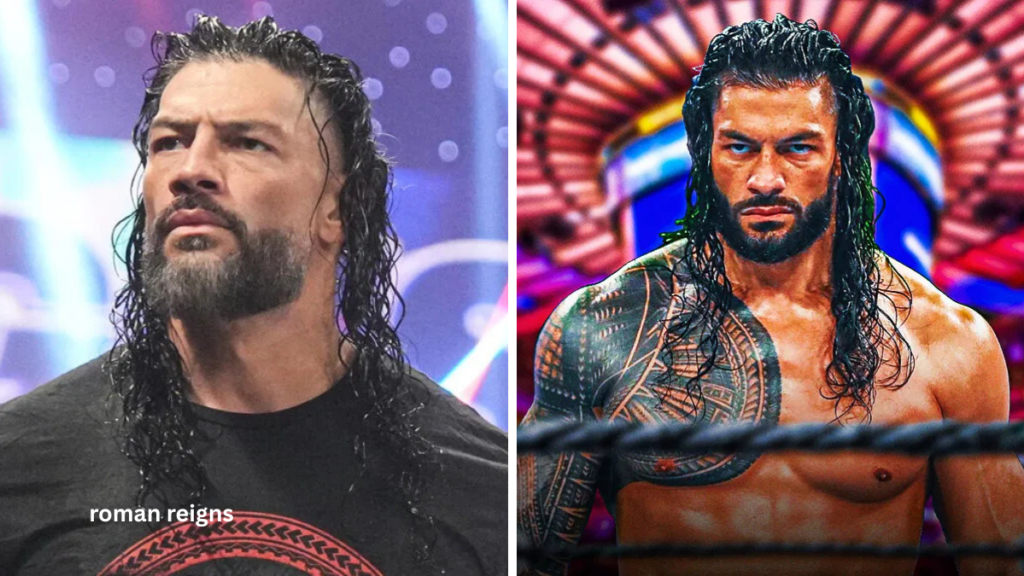
Few professional wrestlers in modern entertainment have transformed the wrestling business quite like Roman Reigns. Known for his commanding presence, unmatched charisma, and dominant in-ring style, he has become one of the defining faces of sports entertainment in the modern era. From electrifying main events to emotional storylines that captured millions of viewers worldwide, his journey represents determination, resilience, and evolution.
Over the years, fans have watched him grow from a promising powerhouse into a global icon capable of carrying major events, headline premium live shows, and redefine championship storytelling. His career is not simply about victories and titles. It is about reinvention, leadership, and connecting with audiences on a level that very few performers ever achieve. Whether someone has followed wrestling for decades or recently discovered WWE programming, his influence is impossible to ignore.
Professional wrestling constantly changes with shifting fan preferences, emerging stars, and evolving entertainment trends. Despite all those changes, this superstar remained relevant through every phase of his career. That consistency helped elevate him into one of the biggest attractions in the wrestling industry. His rise reflects a mix of athletic talent, family heritage, personal discipline, and a deep understanding of storytelling inside the squared circle.
The popularity surrounding him goes beyond championships. Merchandise sales, television ratings, social media conversations, and sold-out arenas all demonstrate his widespread appeal. He became more than a wrestler; he evolved into a cultural figure whose presence shapes conversations around wrestling every single week.
His transformation into “The Tribal Chief” marked a historic turning point in WWE storytelling. The character added emotional depth, complexity, and realism that connected strongly with audiences around the globe. Fans witnessed a more mature performer capable of blending intimidation, confidence, and vulnerability in ways that elevated the entire product.
Throughout his journey, he faced intense criticism, overwhelming expectations, serious health challenges, and enormous pressure. Instead of fading under that spotlight, he used adversity to fuel growth. That perseverance helped him become one of the most respected figures in the wrestling industry today.
Early Life and Family Legacy
Born as Leati Joseph Anoaʻi, the future superstar came from one of the most legendary wrestling families in history. The Anoaʻi family has produced generations of iconic wrestlers who shaped professional wrestling across multiple decades. Growing up surrounded by that environment naturally influenced his path, though success was never guaranteed simply because of family connections.
The wrestling heritage connected to his family includes legends who became household names in wrestling culture. Members of the family built reputations for toughness, charisma, and loyalty to the industry. Being part of such a respected lineage created enormous expectations from the very beginning. Fans often assume wrestling dynasties automatically produce success stories, but the reality is far more demanding.
During his younger years, sports played a major role in his development. Football became his primary passion, and his athletic ability stood out early. Coaches recognized his strength, mobility, and competitive mentality. Those qualities later translated perfectly into professional wrestling performance.
He attended Georgia Tech and played college football at a high level. The experience helped him build discipline, teamwork, and physical endurance. Even before entering wrestling, he understood what it meant to compete under pressure. The structure of football training helped shape the intense work ethic that later became central to his wrestling career.
After college, he briefly pursued opportunities in professional football. While that dream did not unfold exactly as planned, the experience proved valuable. Many athletes struggle when one career path closes unexpectedly, but he adapted and found a new direction. That ability to pivot ultimately changed the course of his life.
Family support played an important role during this transition period. Wrestling was familiar territory because of his relatives, but joining the business still required sacrifice and commitment. Training for professional wrestling demands mental toughness, physical conditioning, and the ability to perform under constant scrutiny.
One famous quote associated with the wrestling business perfectly reflects the mindset required for survival: “The spotlight rewards confidence, but it exposes weakness instantly.” That reality became especially true for a performer carrying the expectations of a legendary family name.
The journey into wrestling was not a shortcut. He spent years learning techniques, storytelling psychology, and character development before reaching the top level. His background created opportunities, but sustained success came from relentless effort and steady improvement.
The Transition From Football to WWE
The move from football to professional wrestling represented a major life transition. While both industries require athleticism and entertainment value, wrestling introduces unique challenges. Athletes must combine physical performance with acting, improvisation, crowd psychology, and long-term storytelling.
When he entered WWE developmental territory, many fans already recognized the family connection. Expectations were high from the beginning. Some believed he would become a future star immediately, while others questioned whether he could establish an identity separate from his relatives.
Developmental training helped refine his in-ring skills and character work. Coaches focused heavily on pacing, ring awareness, promo delivery, and audience interaction. Learning how to emotionally connect with fans proved just as important as mastering wrestling techniques.
At first, he wrestled under a different persona before evolving into the powerhouse character fans eventually recognized worldwide. WWE often experiments with different gimmicks before discovering the ideal presentation for a performer. That process helped him better understand audience reactions and performance dynamics.
His physical presence quickly stood out. Standing tall with impressive strength and athletic mobility, he looked like a natural main-event attraction. Wrestling companies value performers who immediately appear larger than life, and he possessed that quality naturally.
The early stages of his wrestling journey involved smaller venues and developmental television programs. These environments allowed performers to experiment without the pressure of global audiences. Mistakes became learning opportunities rather than career-ending failures.
During interviews, experienced wrestling trainers often emphasize the importance of patience. One respected wrestling coach once said, “A superstar is not created in one night. It takes thousands of unseen hours.” That statement accurately reflects the demanding nature of professional wrestling development.
As his confidence grew, WWE executives began recognizing his long-term potential. His look, athleticism, and natural intensity made him a strong candidate for major storylines. Eventually, the company prepared him for the main roster, where significantly larger audiences awaited.
The transition to WWE television changed everything. Suddenly, millions of viewers were watching every performance, analyzing every promo, and debating every storyline. The pressure increased dramatically, but so did the opportunities.
The Shield and the Rise to Stardom
One of the most important moments in modern wrestling history arrived with the creation of The Shield. The faction included Seth Rollins, Dean Ambrose, and the future Tribal Chief himself. Together, they became one of the most influential groups of their generation.
The Shield debuted with a unique identity. Dressed in tactical gear and entering through the crowd, the trio felt dangerous, unpredictable, and authentic. Their chemistry immediately connected with audiences because they appeared united by purpose rather than manufactured entertainment.
Inside the ring, the group delivered intense performances filled with energy and creativity. Their six-man tag matches became highlights of WWE programming. Fans appreciated the realism and aggression they brought to every contest.
Within the faction, each member served a distinct role. One brought unpredictability, another offered technical excellence, while the powerhouse role established the future face of the company. That balance helped the group remain compelling for an extended period.
Crowd reactions grew louder every week. Merchandise sales increased rapidly, and fans viewed the faction as a refreshing change from traditional wrestling presentations. Their success demonstrated how strong storytelling combined with authentic character work could elevate performers quickly.
The eventual breakup of The Shield became a major turning point for everyone involved. Each wrestler moved into singles competition with enormous momentum. For the powerhouse member of the group, this transition represented both opportunity and risk.
Suddenly, the expectations multiplied. WWE management clearly viewed him as a future centerpiece of the company. That positioning created strong support from some fans but also intense criticism from others who resisted corporate favoritism.
Main-event opportunities arrived quickly. Championship matches, premium live event headliners, and major rivalries followed. While some audiences embraced the push enthusiastically, others pushed back aggressively. Wrestling fans are passionate, and reactions can become extremely emotional.
Despite criticism, his performances steadily improved. Promos became more natural, ring psychology evolved, and confidence increased significantly. Over time, audiences began recognizing the growth occurring in front of them.
The post-Shield era shaped his identity profoundly. It taught him how to handle pressure, navigate criticism, and continue improving despite intense scrutiny. Those lessons later became essential to his transformation into one of wrestling’s most dominant champions.
Championship Success and Main Event Dominance
Winning championships in WWE represents more than holding a title belt. Championships symbolize trust from the company, recognition from fans, and responsibility for carrying major storylines. Once he entered the championship scene, his role within WWE expanded dramatically.
Main-event performers face unique challenges. They must consistently deliver memorable matches while maintaining audience interest over long periods. Wrestling history shows that many talented performers struggle under that level of responsibility. Sustaining success at the top requires adaptability and emotional intelligence.
As championship opportunities increased, so did the intensity of rivalries. Battles against established legends helped solidify his status as a serious competitor. Every major victory reinforced the idea that he belonged among the elite names in modern wrestling.
One key aspect of his championship run involved physical storytelling. His matches often emphasized power, resilience, and psychological pressure. Opponents frequently appeared overwhelmed by his presence before the contest even reached its climax.
Fans also noticed his improved microphone work during this period. Confidence transformed his delivery style. Instead of sounding scripted or hesitant, he began projecting authority naturally. That evolution helped audiences invest more deeply in his character.
Championship reigns are measured not only by duration but also by impact. Some title runs fade quickly from memory, while others reshape wrestling history. His dominance created storylines that influenced the entire WWE landscape for years.
The following table highlights important aspects of his championship-era presentation:
| Category | Impact on Career |
|---|---|
| In-Ring Style | Combined power, athleticism, and storytelling |
| Character Development | Evolved into a layered and commanding persona |
| Promo Ability | Became more authentic and emotionally convincing |
| Fan Engagement | Created strong reactions from both supporters and critics |
| Main Event Presence | Established consistent credibility in headline matches |
| Leadership Role | Became central to WWE storytelling direction |
Long championship reigns often divide fan opinions. Some viewers enjoy dominant champions, while others prefer frequent title changes. Regardless of differing perspectives, there was no denying the importance of his role in WWE programming.
A memorable wrestling saying captures the importance of championship responsibility: “A title doesn’t make the man. The man makes the title matter.” His performances demonstrated exactly how a strong champion can elevate an entire division.
Throughout this era, he consistently delivered high-profile matches against major stars. Rivalries with legends, rising talents, and returning icons helped create unforgettable moments that shaped modern wrestling history.
The Tribal Chief Era Changed Wrestling
The evolution into “The Tribal Chief” character became one of the most successful reinventions in wrestling history. Many performers attempt character transformations, but few achieve the level of authenticity and audience engagement seen during this era.
This version of the superstar embraced confidence, manipulation, authority, and emotional complexity. Instead of portraying a straightforward heroic figure, he became a layered character capable of inspiring fear, admiration, and tension simultaneously.
The addition of family dynamics made the storyline even stronger. Wrestling storylines often succeed when emotional realism blends naturally with athletic competition. By involving family relationships, loyalty struggles, and leadership conflicts, WWE created deeply compelling television.
Paul Heyman’s partnership added another layer of sophistication. The legendary manager complemented the character perfectly, enhancing the aura of dominance surrounding the champion. Their on-screen chemistry elevated every segment they appeared in together.
The Bloodline storyline became a defining narrative for modern WWE programming. Family loyalty, betrayal, power struggles, and emotional confrontations created long-term storytelling that kept fans invested week after week.
Audience reactions changed dramatically during this period. Many fans who previously criticized the performer began praising his transformation. The confidence and authenticity displayed through the Tribal Chief persona resonated strongly with wrestling audiences worldwide.
Character reinvention often requires courage because it involves taking creative risks. One entertainment executive once remarked, “The audience always recognizes when a performer finally becomes comfortable in their own skin.” That observation perfectly describes the success of this transformation.
Matches during this era carried greater emotional stakes. Every rivalry felt personal because the character operated from a place of pride, control, and family responsibility. The storytelling depth elevated even simple confrontations into meaningful moments.
Promos became especially compelling. Calm delivery, controlled intensity, and psychological manipulation replaced earlier presentation styles. Fans listened carefully because every line felt intentional and emotionally grounded.
The Tribal Chief era also demonstrated the importance of patience in storytelling. WWE allowed narratives to develop gradually instead of rushing major moments. That slower pace created stronger emotional payoffs when dramatic events finally occurred.
This period established him as more than a wrestling star. He became the centerpiece of one of the most successful storytelling eras in recent WWE history.
Wrestling Style and In-Ring Psychology
Professional wrestling involves far more than physical moves. Great wrestlers understand pacing, emotion, timing, crowd psychology, and narrative structure. His evolution inside the ring demonstrated increasing mastery of these elements over time.
Early in his career, critics sometimes focused heavily on move variety or match structure. However, experienced wrestling analysts often emphasize that simplicity can become highly effective when executed properly. Over time, his style matured into something calculated and emotionally impactful.
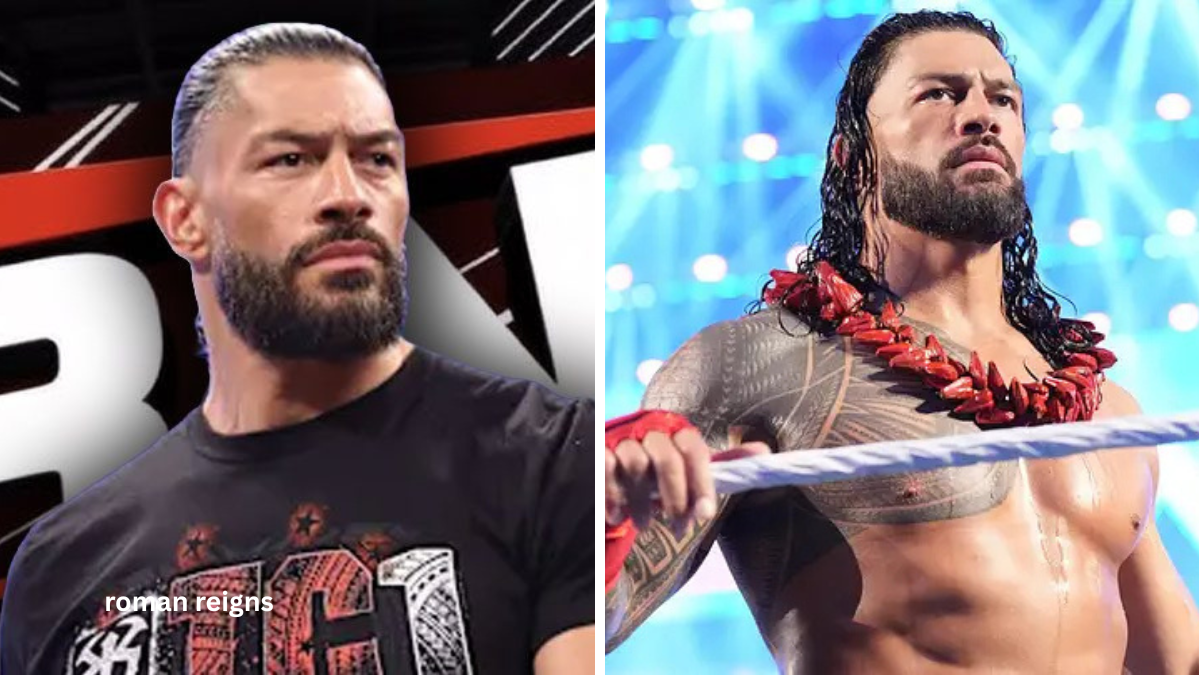
Power-based offense became a defining aspect of his presentation. Spear attacks, Superman Punch sequences, and physical dominance helped create memorable visual moments. Fans recognized these signature techniques instantly.
Beyond physical offense, pacing became one of his strongest assets. He learned how to control crowd reactions by slowing matches strategically before explosive moments. That rhythm created anticipation and emotional investment.
Facial expressions and body language also improved dramatically. Wrestling audiences connect emotionally through subtle details. Small gestures, pauses, and reactions often communicate more effectively than elaborate dialogue.
Another major strength involved match storytelling. His rivalries frequently revolved around themes such as betrayal, pride, leadership, survival, or redemption. These emotional foundations made contests feel meaningful rather than purely athletic.
Wrestling veterans frequently stress the importance of ring psychology. One respected performer once said, “Every move should tell the audience something.” That philosophy became increasingly visible throughout his career progression.
His ability to adapt against different opponents also deserves attention. Technical wrestlers, high-flyers, brawlers, and giants all required different approaches. Adjusting style based on opponent strengths demonstrated growing experience and professionalism.
Long matches became another defining characteristic. Main-event wrestling often demands stamina, storytelling patience, and crowd management over extended periods. He consistently proved capable of handling those responsibilities effectively.
Crowd manipulation became especially noticeable during championship defenses. He understood when to provoke boos, create sympathy, or build anticipation. That emotional control represents one of the most valuable skills in professional wrestling.
Fan Reactions and Public Perception
Few wrestlers in modern history experienced audience reactions as intense and divided. Supporters admired his athleticism, work ethic, and star presence, while critics sometimes resisted WWE’s aggressive promotion strategy. This complex relationship with audiences shaped much of his career.
At certain points, crowds reacted negatively despite his heroic presentation. Wrestling fans often resist feeling forced toward specific opinions, and this dynamic created tension between company direction and audience preferences.
Handling criticism publicly requires remarkable mental toughness. Live crowds, social media platforms, and wrestling forums constantly analyzed every aspect of his performances. Many performers struggle under that level of scrutiny, but he continued improving steadily.
Over time, public perception evolved significantly. Fans began appreciating his consistency, professionalism, and dedication. The transformation into a more nuanced character accelerated this shift dramatically.
Social media also influenced audience relationships. Modern wrestling stars exist in a digital environment where opinions spread instantly. Positive reactions, criticism, memes, and debates constantly shape public perception.
Interestingly, criticism sometimes strengthened his connection with audiences. Fans often respect performers who continue working hard despite intense negativity. Persistence became one of the defining themes of his journey.
A famous entertainment quote captures this dynamic well: “The crowd may reject a character, but they respect authenticity.” Once audiences believed the performer had fully embraced his authentic identity, reactions shifted considerably.
Merchandise sales and television ratings consistently demonstrated his drawing power. Regardless of online debates, business metrics often reflected strong popularity and commercial value.
International audiences also played an important role in his success. Wrestling fans around the world connected with his charisma and presentation style. Global appeal became a major asset for WWE’s international expansion efforts.
Eventually, respect replaced much of the earlier resistance. Even critics acknowledged the quality of his storytelling, leadership, and performances during major events.
The Importance of Family in Storylines
Family has always played a significant role in wrestling culture, but few modern storylines explored that theme as deeply and successfully as the Bloodline narrative. The emotional complexity surrounding loyalty, leadership, and identity created compelling television for years.
The Anoaʻi wrestling family carries legendary status within the industry. Incorporating real-life family connections added authenticity to storylines involving cousins, allies, and internal conflicts. Audiences responded strongly because the relationships felt believable.
Leadership became a central theme. The character portrayed himself as the head of the family, demanding loyalty and obedience from relatives. This dynamic created emotional tension that extended far beyond championship competition.
Family-based storytelling works especially well because audiences understand those emotions naturally. Pride, disappointment, betrayal, and reconciliation resonate universally. Wrestling storylines become stronger when viewers emotionally relate to character motivations.
The involvement of performers like The Usos helped deepen the narrative. Their chemistry and emotional performances elevated every segment connected to the storyline.
Conflict within the group added unpredictability. Wrestling fans remain engaged when relationships evolve rather than staying static. Alliances shifting over time created suspense and emotional investment.
One memorable wrestling philosophy states, “Championships create stars, but relationships create legends.” The Bloodline storyline proved how emotional connections can elevate wrestling storytelling to another level entirely.
Promos involving family loyalty often felt cinematic because they balanced emotion with intensity. The realism of those exchanges helped audiences suspend disbelief more effectively.
The storyline also highlighted vulnerability beneath the dominant exterior. Great characters rarely succeed when portrayed as completely invincible emotionally. Moments of insecurity, anger, or desperation added depth to the Tribal Chief persona.
This emphasis on family helped transform WWE programming into serialized storytelling that rewarded long-term audience investment.
Major Rivalries That Defined an Era
Every legendary wrestler is remembered partly through rivalries that shaped their legacy. Throughout his career, several feuds became defining moments not only for him but for WWE as a whole.
Rivalries against longtime veterans helped establish credibility early in his singles run. Facing established stars placed enormous pressure on him to perform at the highest level. These contests tested his ability to command major-event audiences.
The battles against Brock Lesnar became especially important. Their clashes represented raw power, dominance, and physical spectacle. WWE repeatedly returned to this rivalry because of its commercial success and audience interest.
Another significant rivalry involved Cody Rhodes. The emotional storytelling surrounding family legacy, redemption, and championship ambition created unforgettable drama. Fans became deeply invested in the narrative direction.
Feuds with former Shield partners also carried emotional weight. Shared history allowed storylines to explore betrayal, friendship, and competition in meaningful ways. Audiences appreciate rivalries rooted in long-term storytelling continuity.
The intensity of rivalries often depended on promo exchanges. Verbal confrontations helped build anticipation for matches while revealing character motivations. Strong promo chemistry frequently determines whether a feud becomes memorable.
Wrestling storytelling thrives on emotional stakes. One legendary promoter once explained, “The audience pays to feel something.” Successful rivalries create emotional investment that extends beyond wins and losses.
His rivalries frequently centered around respect, control, and personal identity. These themes created consistency throughout his character development while allowing opponents to challenge different aspects of his persona.
Match quality also contributed heavily to rivalry success. Dramatic near-falls, emotional pacing, and strong crowd reactions helped elevate these encounters into major wrestling moments.
Over time, these rivalries collectively built a legacy associated with dominance, storytelling excellence, and emotional intensity.
Mainstream Popularity and Cultural Influence
Professional wrestling stars occasionally cross into mainstream culture, and this superstar achieved that level of visibility successfully. His appeal extended beyond wrestling audiences into broader entertainment and sports discussions.
Television appearances, interviews, commercials, and public events helped increase mainstream recognition. Strong physical presence and natural charisma made him appealing to media outlets outside wrestling.
Social media amplified his cultural reach significantly. Clips from promos, entrances, and dramatic storyline moments spread rapidly online. Viral moments helped introduce new viewers to WWE programming.
Merchandise popularity also reflected his influence. T-shirts, action figures, championship replicas, and branded accessories consistently ranked among WWE’s top-selling products. Commercial success reinforced his importance to the company.
Crossover appeal matters greatly in entertainment industries. Performers capable of attracting casual audiences often become especially valuable because they expand the brand beyond core fan communities.
Public speaking appearances revealed another side of his personality. Outside the intense wrestling character, interviews often showcased humility, professionalism, and gratitude. Fans appreciated seeing the contrast between performer and real-life individual.
A sports marketing expert once said, “True stars create emotional recognition beyond their profession.” That observation accurately reflects his cultural impact during peak popularity.
Media discussions about wrestling increasingly centered around his performances and storylines. Mainstream sports websites and entertainment platforms frequently covered major developments involving his character.
His influence also reached younger audiences. Many newer wrestling fans discovered WWE during the Tribal Chief era, making him a defining performer for an entire generation of viewers.
The ability to remain culturally relevant across multiple years represents one of the clearest indicators of long-term star power.
Overcoming Health Challenges and Adversity
One of the most inspiring aspects of his story involves resilience in the face of serious health challenges. Publicly discussing leukemia required courage and vulnerability, especially within an industry built heavily around strength and toughness.
When he announced his health battle, reactions shifted dramatically. Fans who once criticized him began expressing widespread support and compassion. The moment reminded audiences that performers are human beings beyond fictional characters.
His openness about the illness created emotional connections with fans worldwide. Many viewers related personally through their own experiences with cancer or loved ones facing similar struggles.
Returning to wrestling after treatment demonstrated extraordinary determination. Recovery required physical rebuilding, emotional strength, and mental resilience. The comeback inspired fans both inside and outside wrestling communities.
Health challenges often reshape public perception because they reveal character beyond performance. Audiences saw courage, honesty, and perseverance during this period of his life.
The wrestling world united in support. Fellow performers, commentators, and fans consistently expressed respect for his strength during recovery. Such moments remind audiences how deeply personal wrestling communities can become.
One meaningful quote associated with perseverance states, “Strength is measured by what a person overcomes, not what they avoid.” His journey reflected that philosophy clearly.
Upon returning, audience reactions changed significantly. Cheers became louder, emotional support increased, and appreciation for his resilience became widespread. Fans viewed him through a different lens after witnessing his battle.
His willingness to advocate for health awareness also carried importance. Public figures discussing serious illnesses can encourage others to seek medical attention and remain hopeful during difficult situations.
The experience ultimately added emotional depth to his legacy. Beyond championships and storylines, fans admired the human resilience demonstrated during one of the most challenging periods of his life.
Business Impact on WWE
Top wrestling stars influence far more than storyline direction. Ticket sales, television ratings, sponsorships, merchandise revenue, and streaming engagement all connect closely to superstar popularity. His business value became increasingly clear throughout his rise.
WWE positioned him as a centerpiece attraction for major events because of his ability to draw attention consistently. Premium live events featuring his matches often generated strong audience interest and extensive online conversation.
Merchandise performance became especially important. Popular wrestlers drive enormous revenue through apparel, collectibles, and branded products. Fans eager to support favorite performers contribute significantly to overall business success.
Television storytelling also revolved heavily around his character. Long-term narratives involving championships and family drama created appointment viewing that encouraged audiences to follow programming regularly.
Sponsors and advertisers value recognizable stars capable of maintaining mainstream visibility. His strong presentation and consistent professionalism made him appealing from a marketing perspective.
Streaming platforms further amplified his impact. Highlights, promos, entrances, and dramatic storyline moments generated millions of views online. Digital engagement became a major indicator of commercial influence.
An experienced wrestling executive once explained, “The top star sets the tone for the entire company.” That statement accurately reflects his leadership role during WWE’s modern era.
International tours also benefited from his popularity. Global audiences recognized him instantly, helping WWE strengthen international market presence.
Another major factor involved credibility. Wrestling companies rely heavily on stars who feel authentic and important. Audiences must believe headline performers truly matter within the fictional universe presented on television.
His role during one of WWE’s most commercially successful periods reinforced the significance of his contributions to the company’s overall growth.
Memorable Matches and Defining Moments
Every legendary wrestling career includes moments fans remember forever. Throughout his journey, numerous matches and storyline developments became defining highlights.
The WrestleMania main events stand among the most significant achievements. Headlining wrestling’s biggest annual event represents a level of trust reserved for elite performers. Repeated appearances in that position demonstrated his importance to WWE.
The emotional storytelling against Cody Rhodes created one of the most discussed modern rivalries. Fans debated outcomes passionately because the narrative stakes felt enormous.
Battles involving family betrayal within the Bloodline storyline produced unforgettable drama. Wrestling audiences emotionally invested in these confrontations because relationships had been developed carefully over time.
Championship defenses against Brock Lesnar showcased physical intensity and spectacle. Their chemistry consistently delivered blockbuster presentation suitable for major events.
Surprise returns and dramatic promo segments also became central parts of his legacy. Wrestling thrives on memorable emotional moments, and many of his appearances generated enormous crowd reactions.
One respected commentator famously said, “Great wrestling moments live forever because fans emotionally experience them together.” Shared audience reactions create memories that extend far beyond individual matches.
Entrance presentations added another layer to memorable moments. Music, camera work, crowd anticipation, and pacing combined to create larger-than-life spectacle.
His facial expressions during dramatic confrontations frequently became viral images online. Emotional authenticity helped elevate even small interactions into major storytelling beats.
Fans also appreciated the long-term consistency of his performances. Delivering memorable moments repeatedly over many years requires extraordinary professionalism and focus.
These defining moments collectively shaped one of the most important wrestling careers of the modern era.
Legacy in Professional Wrestling
Legacy discussions in wrestling often focus on championships, influence, drawing power, and cultural impact. By those measurements, his place among modern wrestling greats appears increasingly secure.
The evolution from polarizing hero to dominant Tribal Chief demonstrated adaptability rarely seen at such a high level. Reinvention allowed him to remain relevant while many performers struggle to sustain momentum.
Long championship reigns, memorable rivalries, and emotionally compelling storylines contributed heavily to his historical importance. Future wrestling fans will likely study this era as a major chapter in WWE storytelling evolution.
Influence on younger performers also matters significantly. Emerging wrestlers often study successful stars to understand pacing, character work, and audience psychology. His career provides valuable lessons in resilience and reinvention.
The Bloodline storyline especially may influence wrestling narratives for years. Its combination of family drama, emotional realism, and long-term planning demonstrated the effectiveness of patient storytelling.
Another important aspect of legacy involves overcoming adversity. Fans remember not only accomplishments but also personal strength shown during difficult periods.
One famous wrestling philosophy captures this perfectly: “A true legend changes the business while succeeding inside it.” His influence clearly extended beyond personal achievements into broader WWE storytelling direction.
Global recognition further strengthens historical standing. Wrestling legends typically transcend regional popularity and connect with audiences internationally. His appeal achieved exactly that level of worldwide recognition.
As wrestling continues evolving, future comparisons between stars will inevitably include discussions about his championship reigns, character transformation, and business impact.
The lasting legacy centers not only on dominance but also on growth. Fans witnessed a performer evolve dramatically over time, eventually becoming one of the most compelling figures in modern sports entertainment.
The Future Beyond Wrestling
As his career progresses, discussions increasingly focus on life beyond full-time wrestling. Many top WWE performers eventually transition into acting, producing, business ventures, or mentorship roles.
Hollywood opportunities often emerge for charismatic wrestling stars with strong screen presence. His physical appearance, confidence, and mainstream recognition create natural crossover potential.
Part-time wrestling schedules may also become more common over time. Many legendary performers reduce in-ring appearances while remaining central attractions for major events and storylines.
Mentorship could become another meaningful future role. Experienced performers possess valuable insights regarding crowd psychology, character development, and performance discipline. Younger wrestlers often benefit greatly from veteran guidance.
Business ventures outside wrestling may also expand. Endorsements, partnerships, and media appearances provide opportunities to build influence beyond sports entertainment.
Fans remain interested because his story feels unfinished. Great performers create anticipation about what comes next, whether inside wrestling or beyond it.
An entertainment industry quote summarizes longevity effectively: “Stars remain relevant by evolving before audiences grow tired.” His career consistently reflected that principle through reinvention and adaptability.
Personal priorities may also influence future decisions. Family responsibilities, health considerations, and lifestyle balance become increasingly important as athletes age.
Regardless of future direction, his contributions to wrestling history already remain significant. Additional accomplishments would further enhance an already impressive legacy.
The combination of charisma, storytelling skill, and resilience ensures ongoing relevance even as wrestling continues changing around him.
Conclusion
Roman Reigns transformed from a promising athlete into one of the defining figures of modern professional wrestling. His career journey included criticism, reinvention, championship dominance, emotional storytelling, and remarkable personal resilience. Through every challenge and triumph, he continued evolving into a performer capable of captivating global audiences.
The rise of the Tribal Chief era reshaped WWE storytelling by emphasizing emotional realism, family conflict, and long-term narrative structure. Fans became deeply invested because the performances felt authentic and emotionally layered. This period elevated him beyond traditional wrestling stardom into cultural significance.
His influence extends across multiple dimensions of the wrestling business. Championship reigns, memorable rivalries, commercial success, and mainstream recognition all contributed to a legacy that future generations will study and debate for years.
More importantly, his story reflects perseverance. From football setbacks to intense public criticism and serious health battles, he consistently demonstrated resilience under enormous pressure. That determination helped transform skepticism into respect.
As wrestling continues evolving, his impact remains undeniable. Few performers combine athleticism, storytelling ability, charisma, and emotional authenticity at such a high level. Whether fans admired him from the beginning or grew to appreciate him over time, his place in wrestling history is secure.
FAQ
Who is Roman Reigns in WWE?
Roman Reigns is a professional wrestler and one of WWE’s biggest modern superstars. He became famous through The Shield faction before evolving into the Tribal Chief character, which helped establish him as a dominant world champion and major wrestling attraction.
What is Roman Reigns’ real name?
His real name is Leati Joseph Anoaʻi. He comes from the legendary Anoaʻi wrestling family, which includes several famous professional wrestlers who helped shape WWE history across multiple generations.
Why is Roman Reigns called the Tribal Chief?
The nickname “Tribal Chief” reflects his leadership role within the Bloodline storyline. The character portrays himself as the head of the family, demanding loyalty and respect from relatives and allies within WWE storylines.
How many championships has Roman Reigns won?
Throughout his career, he has won multiple world championships and headlined major WWE events repeatedly. His title reigns became especially significant during the Tribal Chief era, where he dominated the main-event scene for an extended period.
Did Roman Reigns play football before wrestling?
Yes, before entering professional wrestling, he played college football at Georgia Tech and briefly pursued professional football opportunities. His athletic background helped prepare him for the physical demands of wrestling.
Why is Roman Reigns so popular?
His popularity comes from a combination of athletic ability, compelling storytelling, charisma, family legacy, and consistent main-event performances. The Tribal Chief character transformation especially increased audience appreciation and critical praise.
Has Roman Reigns faced health challenges?
Yes, he publicly revealed his battle with leukemia, which became one of the most emotional moments in modern wrestling history. His successful return to WWE inspired fans worldwide and strengthened public respect for his resilience.
What made the Bloodline storyline successful?
The Bloodline storyline succeeded because it combined emotional family drama, strong character development, long-term storytelling, and authentic performances. Fans became deeply invested in the relationships, betrayals, and leadership conflicts within the group.